Okavango Delta Mokoro Tour Logo
English| EUR
Suggested for you
More currencies
Book Now
Open today · 00:00–23:59

Okavango Delta Mokoro Tour

Okavango Delta Mokoro Tour — Glide Through Africa's Inland Sea

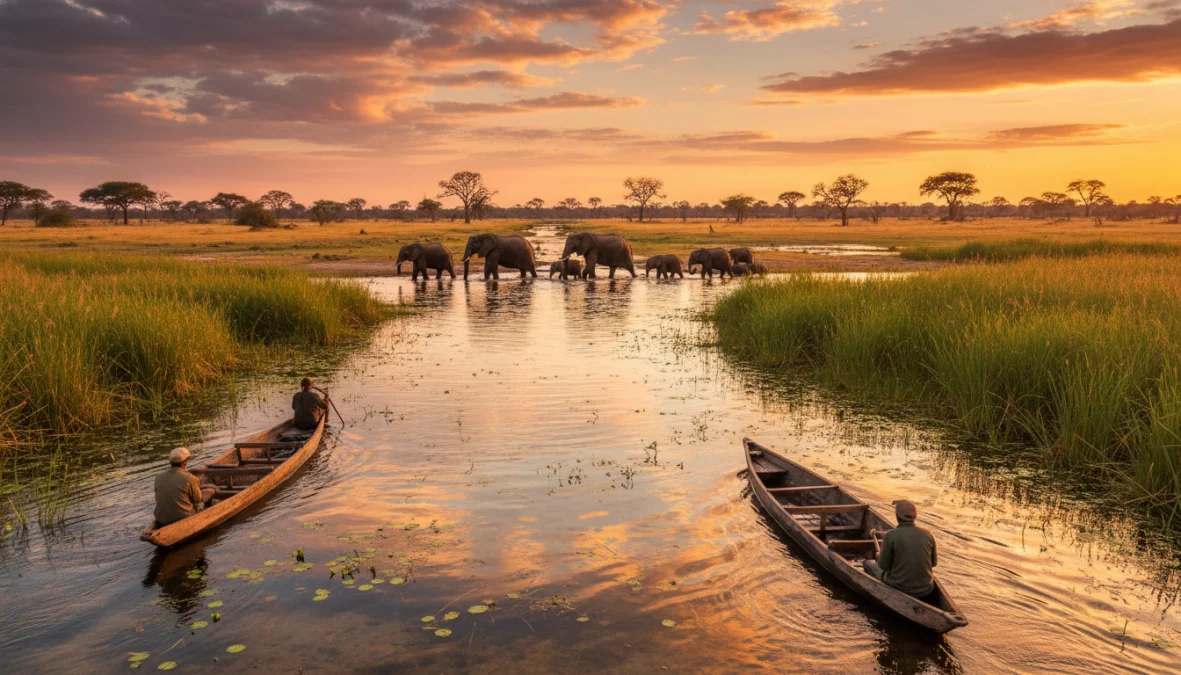
Silent papyrus channels, poled by hand, where elephants wade at arm's reach

4.7 /5 · 2,400 reviews
26K+ travelers chose this
Free Cancellation
Right now: Moderate — dry season peak Current water levels vary by channel and seasonal flow.
3-4 hours
1 Languages
2-8 people per mokoro
Free Cancellation
Free cancellation Instant confirmation Mobile voucher Verified partner Book now, pay later
Choose your ticket

Okavango Delta Mokoro tickets at a glance

Compare fares, pick the fit — all bookings are mobile-voucher and eligible for free cancellation where shown.

Okavango Delta Mokoro & Motorboat Safari 24 hr
Guided Experience

Okavango Delta Mokoro & Motorboat Safari

4.7 (20)
€216
  • Expert local guide
  • Small group
  • Skip-the-line access
  • Free cancellation
Book this ticket
Full-Day Okavango Delta Safari Experience 24 hr
Guided Experience

Full-Day Okavango Delta Safari Experience

5 (4)
€203
  • Expert local guide
  • Small group
  • Skip-the-line access
  • Free cancellation
Book this ticket
Compare options

Compare Okavango Delta Mokoro ticket options

Experience DurationRatingPickupSkip-the-lineGuideSmall group Price
Guided Experience
Most popular
Full-Day Okavango Delta Mokoro Canoe & Walking Safari
24 hr★ 4.7 €148 Book →
Guided Experience
Okavango Delta Mokoro & Motorboat Safari
24 hr★ 4.7 €216 Book →
Guided Experience
Full-Day Okavango Delta Safari Experience
24 hr★ 5.0 €203 Book →

Is an Okavango Delta Mokoro Tour Worth the Cost and Logistics

Worth it for wilderness seekers and birding enthusiasts

An okavango delta mokoro tour delivers exceptional value when you measure cost against experience rarity. The 120 BWP daily park entry fee grants access to one of Africa's last intact inland deltas, where traditional dugout canoes glide through channels inaccessible by vehicle. Your poler—typically from a local community with generations of knowledge—navigates papyrus-lined waterways where elephant herds cross at dawn and sitatunga antelope feed in the shallows. The logistics demand planning: most tours require a charter flight to reach remote camps, adding significant expense beyond the park fee. For photographers and naturalists willing to accept slow-paced travel and basic bush accommodation, the intimacy of water-level wildlife viewing justifies both the cost and the effort. Day-trippers seeking quick safari drama will find better return elsewhere, but multi-day mokoro expeditions into the permanent swamps offer encounters no game drive can match.

What makes it worth it

  • Water-level access to wildlife unavailable by vehicle
  • Traditional poling preserves the delta's silence and ecology
  • Expert local guides with intimate channel knowledge
  • Rare sitatunga, lechwe, and wading bird sightings
  • Exclusive access to permanent swamp interior zones

Keep in mind

  • Charter flights add substantial cost beyond entry fees
  • Limited large predator sightings compared to game drives
  • Basic bush camps with minimal amenities
  • Mokoro tours require patience and tolerance for heat

Bottom line: If you value ecological rarity and quiet immersion over trophy sightings, okavango delta mokoro tour logistics and fees deliver wilderness access no other safari format can replicate.

Head to head

Okavango Delta Mokoro Tour vs Motorized Boat Safari — Which Experience to Choose

They complement each other; most visitors who do both find the traditional dugout canoe more immersive while the motorized vessel provides superior range. Selecting the right okavango delta mokoro tour ensures a unique perspective on the ecosystem.

Top pick
Mokoro Canoe
Motorized Safari
Stealth and silence Low
Wildlife viewing distance Moderate
Area accessibility Deep water navigable
Environmental footprint High
Physical engagement Passive passenger
Vibration and noise levels Moderate to high

Verdict: Choose the traditional watercraft for intimate nature observation, or opt for the motorized safari to cover extensive distances during your okavango delta mokoro tour tickets search.

Featured Experiences

Popular Okavango Delta Mokoro tours & activities

Hand-picked experiences loved by thousands of travelers

Recommended Experience

Powered by GetYourGuide

Another traveler favorite

Powered by GetYourGuide
Okavango Delta Mokoro Canoe Safari Full day (12 hours) Free Cancellation

Okavango Delta Mokoro Canoe Safari

Glide through pristine waterways in a traditional dugout canoe, spotting wildlife in one of Africa's most serene landscapes

5 (1)
FromFrom €234.88
See details
Okavango Delta Mokoro Canoe Adventure 1 day Free Cancellation

Okavango Delta Mokoro Canoe Adventure

Paddle through pristine waterways in a traditional dugout, spotting hippos and crocs on this full-day delta expedition.

4 (3)
FromFrom €170.08
See details
Okavango Delta Mokoro Canoe & Island Walk 6 hours Free Cancellation

Okavango Delta Mokoro Canoe & Island Walk

Paddle traditional dugout canoes through pristine channels, then explore a wilderness island on foot

2
FromFrom €164.07
See details
Okavango Delta Mokoro Canoe & Bush Walk Day Trip 8 hours Free Cancellation

Okavango Delta Mokoro Canoe & Bush Walk Day Trip

Paddle traditional dugout canoes through pristine channels, then explore Delta islands on foot with local guides.

FromFrom €139.46
See details
Sunset Mokoro Paddle in the Okavango Delta 1 hour Free Cancellation

Sunset Mokoro Paddle in the Okavango Delta

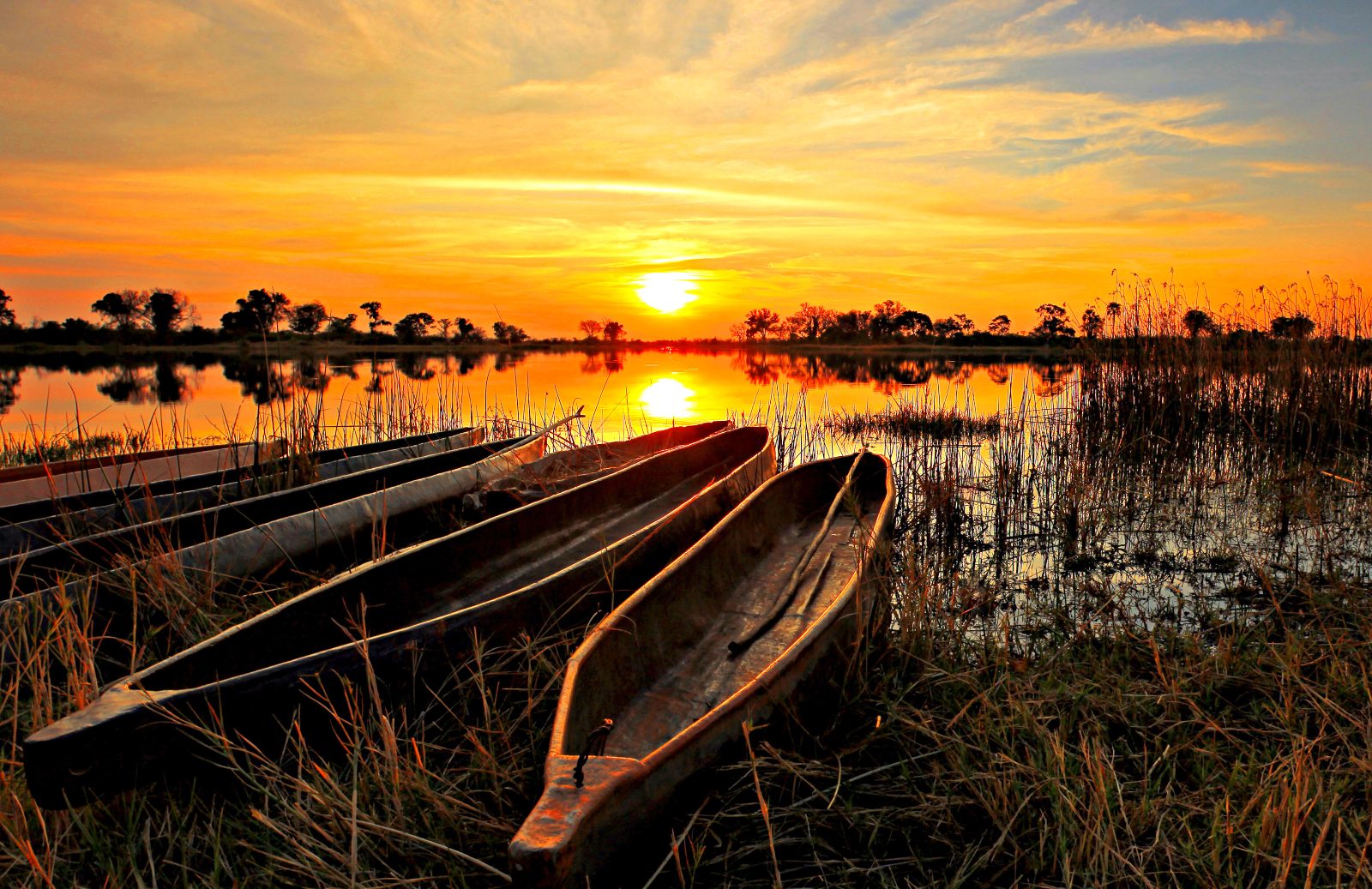
Drift through tranquil delta channels at golden hour in a traditional fibreglass canoe with a local guide

FromFrom €40
See details
Okavango Delta Mokoro Canoe Safari with Bush Walk 4 hours Free Cancellation

Okavango Delta Mokoro Canoe Safari with Bush Walk

Drift silently through pristine channels in a traditional dugout canoe, then explore a remote island on foot

FromFrom €604.46
See details
Okavango Delta Mokoro & Bush Safari 3 days Free Cancellation

Okavango Delta Mokoro & Bush Safari

Three-day water and walking safari through remote delta channels, islands, and floodplains

FromFrom €1059.53
See details
Private Okavango Delta Helicopter Tour 45 minutes Free Cancellation

Private Okavango Delta Helicopter Tour

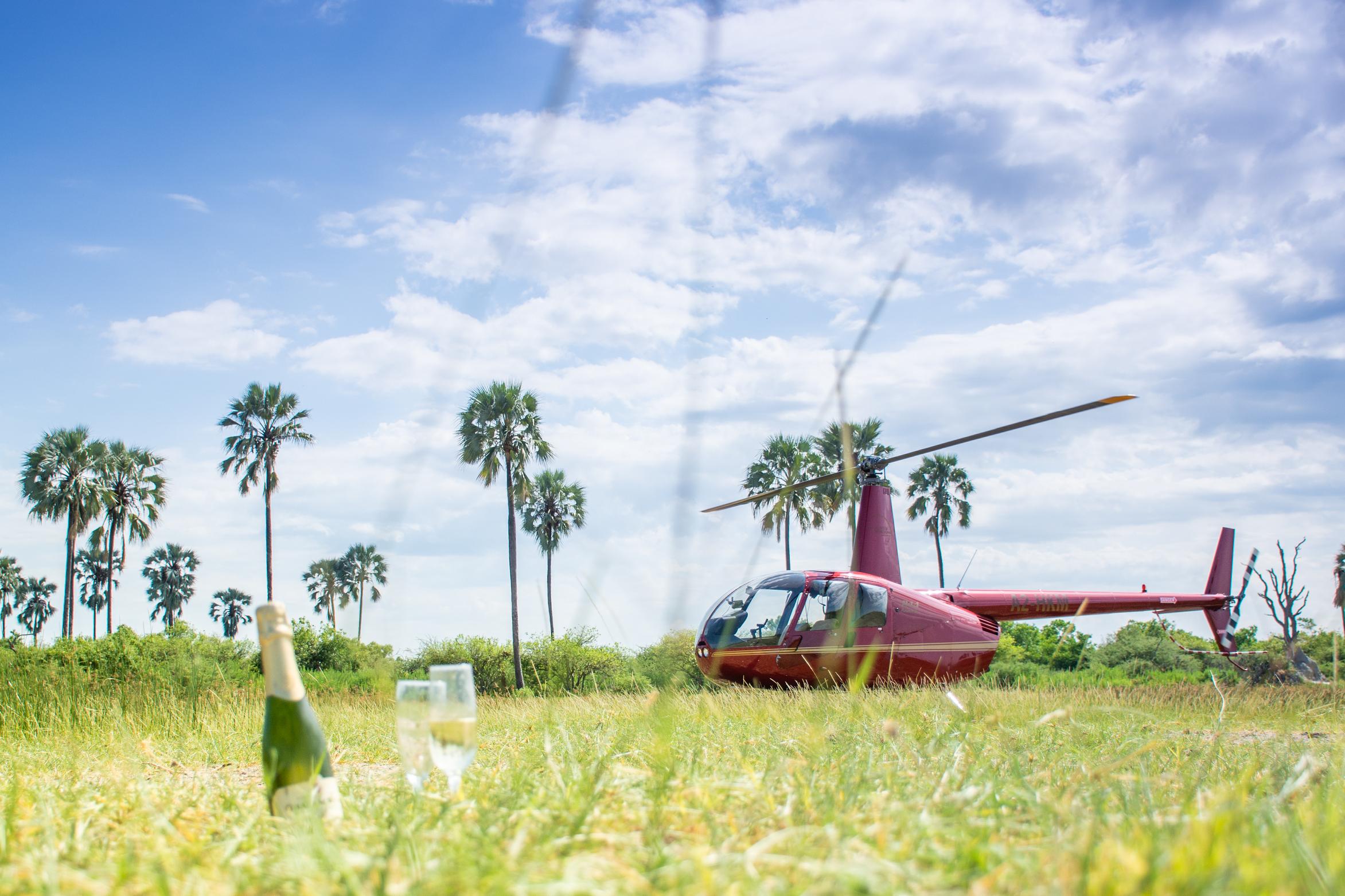
Discover Africa's wilderness jewel from above on an exclusive 45-minute aerial safari over waterways and wildlife.

FromFrom €1117.89
See details
Your journey

Your Okavango Delta Mokoro day, step by step

1
Embarkation

Embarkation

Board the mokoro at the designated station

2
Channel Navigation

Channel Navigation

Travel through narrow reed-lined waterways

3
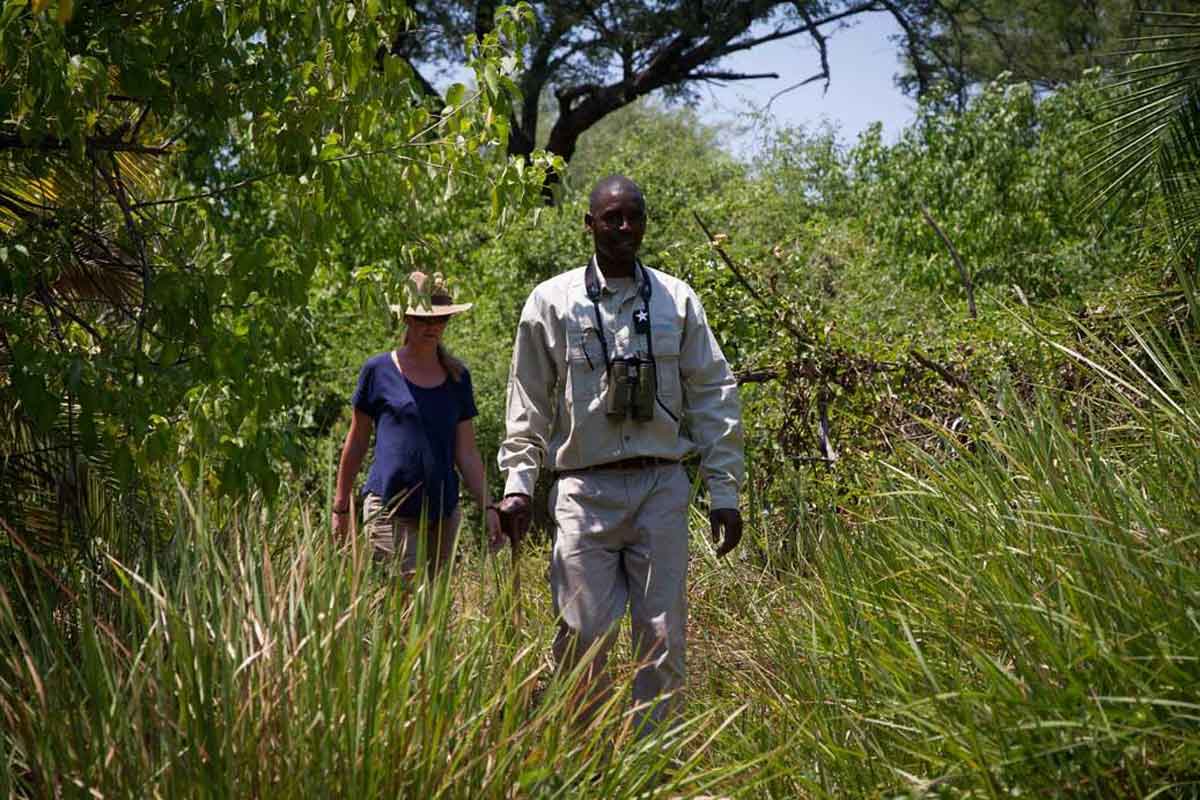
Island Walk

Island Walk

Guided walking exploration on dry land

4

Return

Navigate back to the starting launch point

What you'll see

What you'll see at Okavango Delta Mokoro

Boro River Channels

Boro River Channels

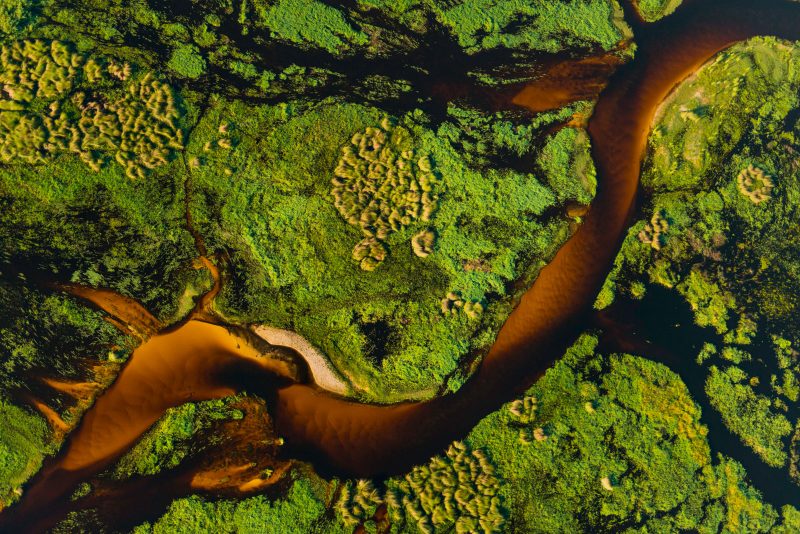
Navigate the iconic reed-lined arteries that define the traditional okavango delta mokoro tour experience. These channels are home to diverse aquatic life and seasonal water flow levels.

Chiefs Island

Chiefs Island

This massive landmass serves as a central sanctuary for wildlife and offers land-based walking during your journey. It is a vital landmark for tracking large mammals in the delta.

Xakanaxa Lagoon

Xakanaxa Lagoon

A beautiful body of water known for its clear depths and frequent sightings of hippos and crocodiles. This area provides high contrast for photographers on an okavango delta mokoro tour.

Mokoro Poling Stations

Mokoro Poling Stations

Observe the traditional method of navigating the delta using a long wooden pole. This historical practice is the standard for silent, low-impact wildlife exploration.

Okavango Delta Floodplains

Okavango Delta Floodplains

The vast expanse of grassland that floods annually to create the unique water ecosystem seen on an okavango delta mokoro tour. Watching the sunset here is a highlight for many visitors.

The experience

What visiting Okavango Delta Mokoro is really like

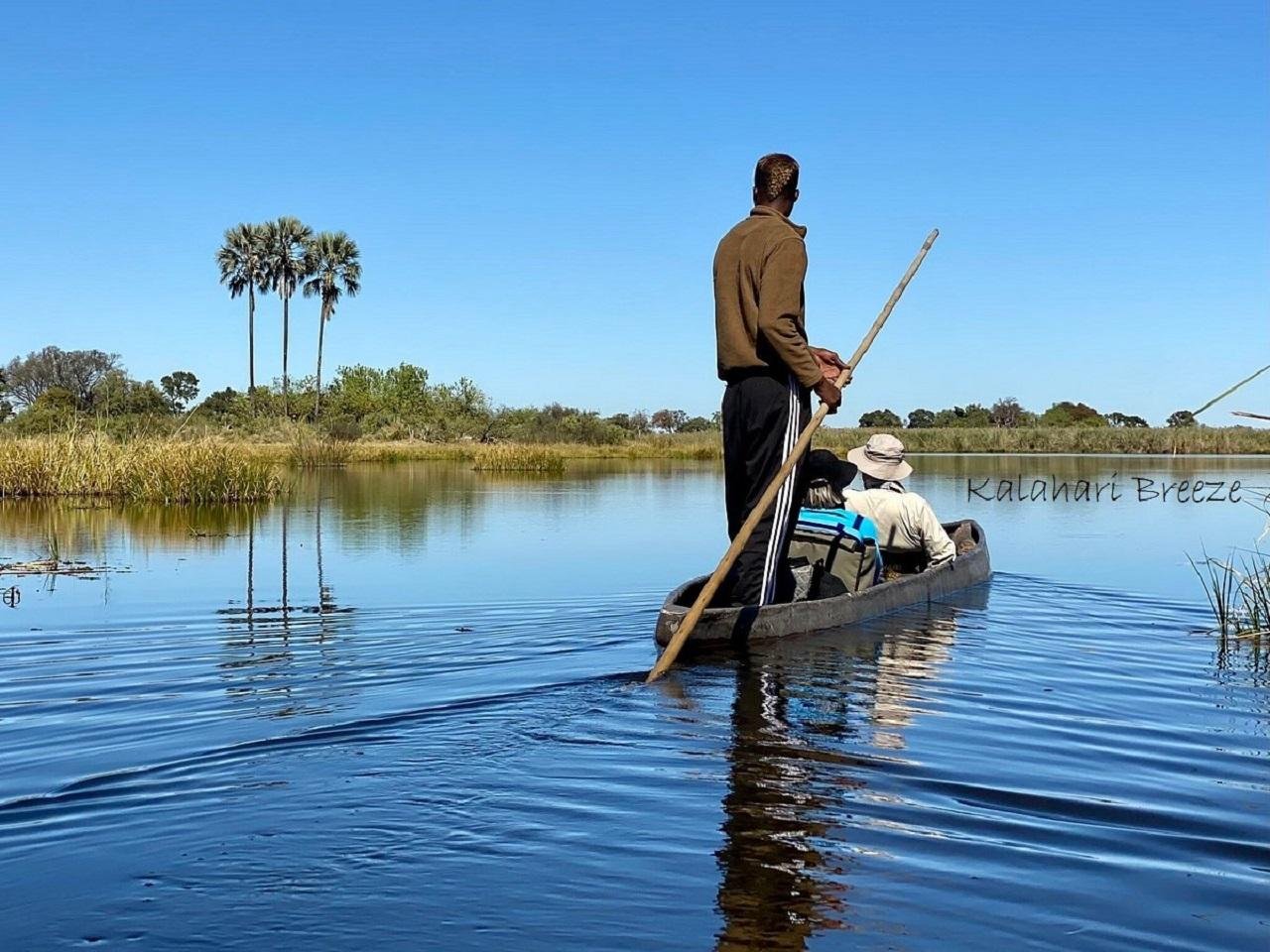
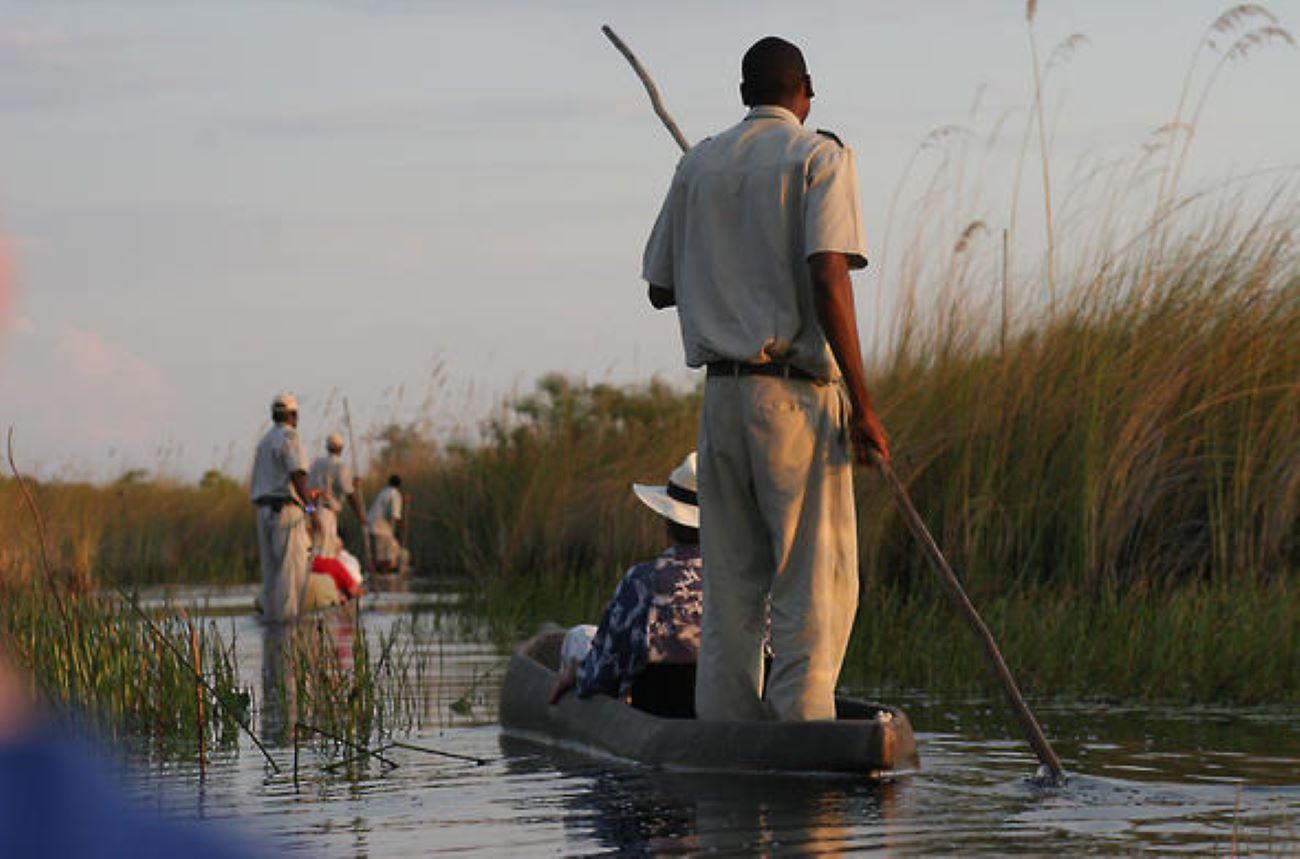
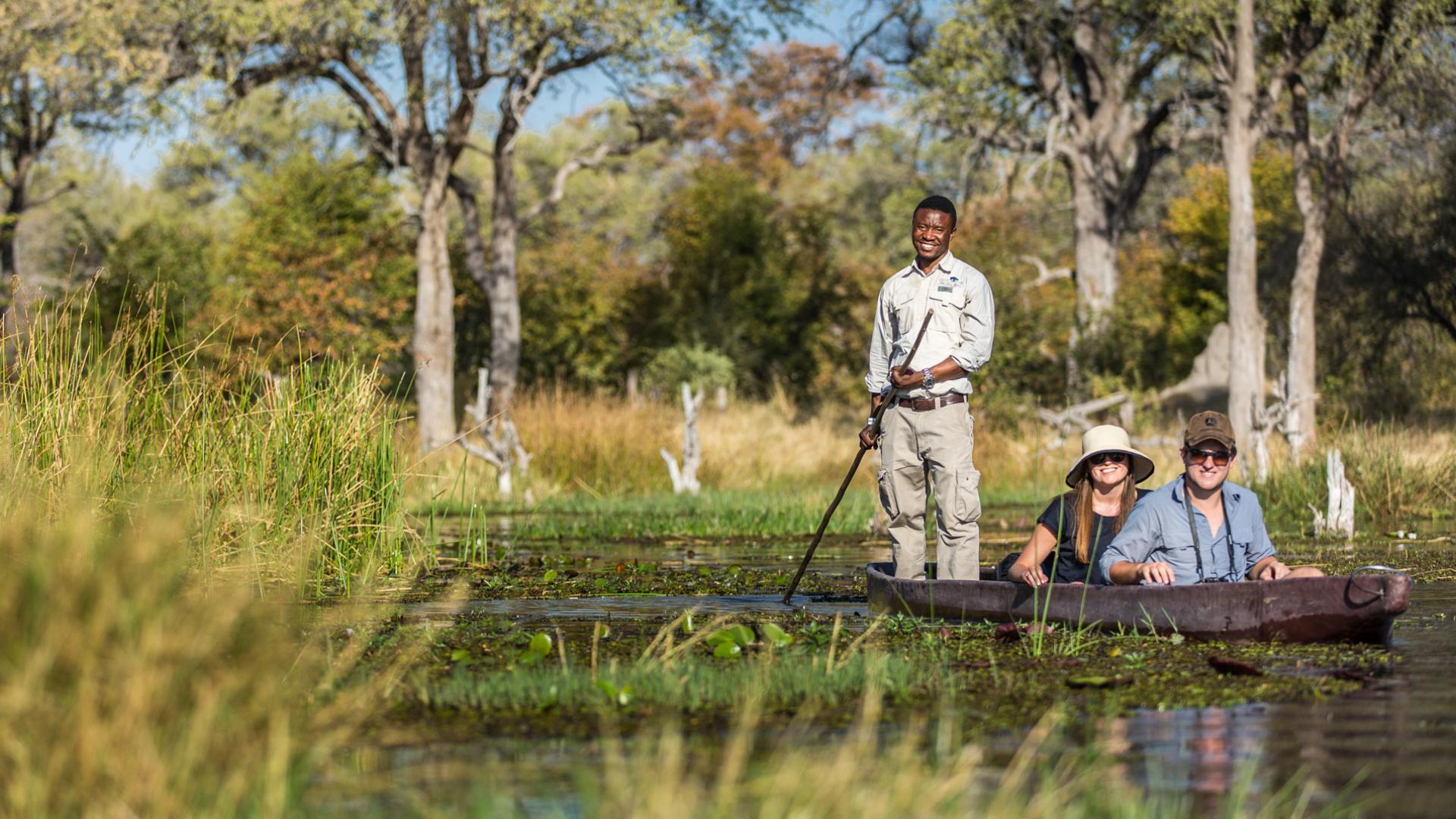
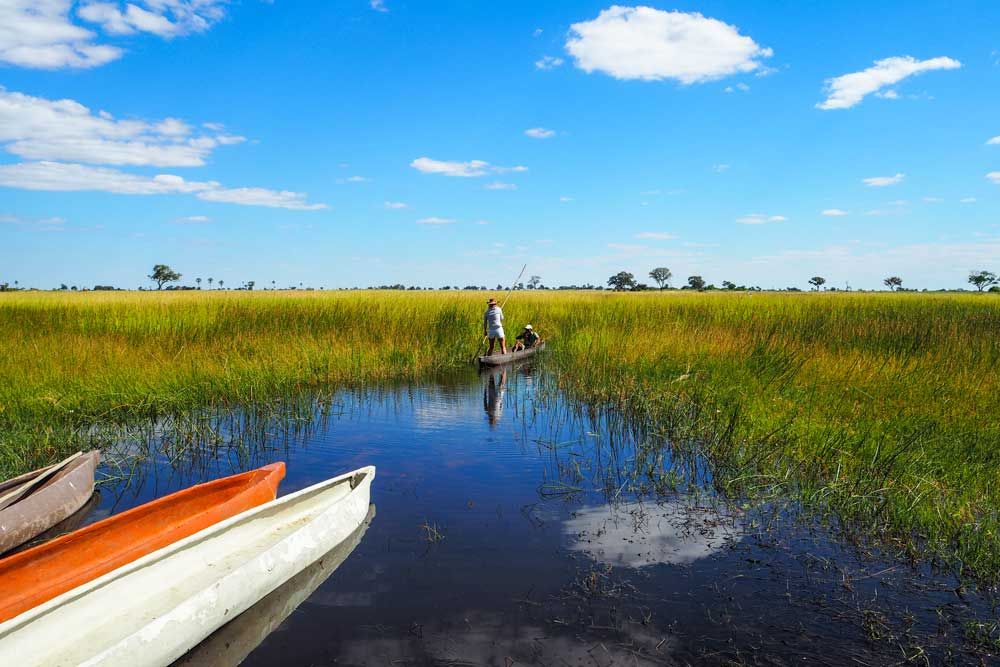
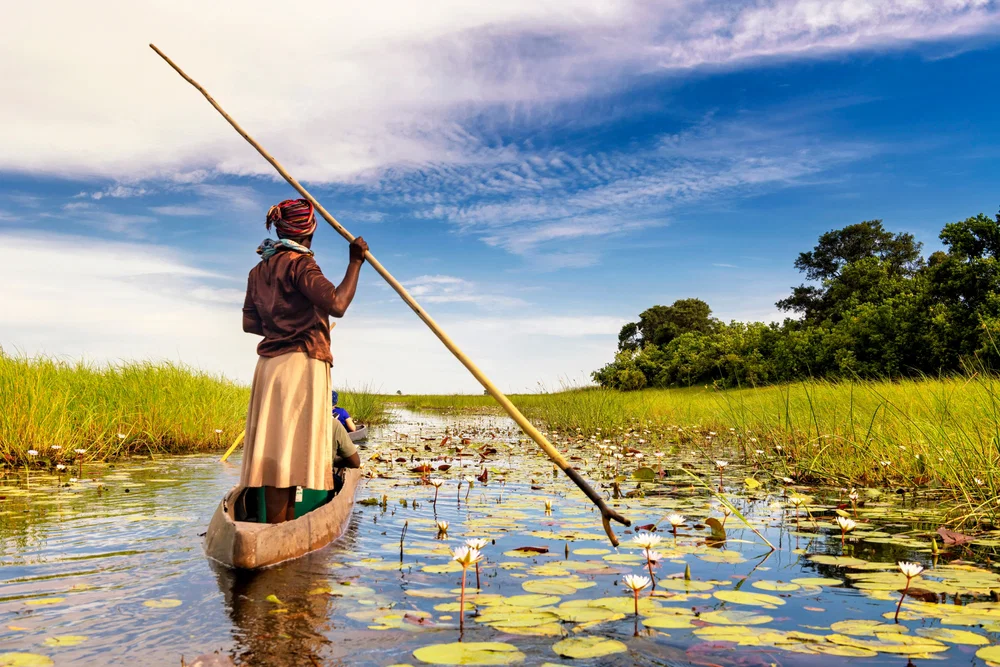
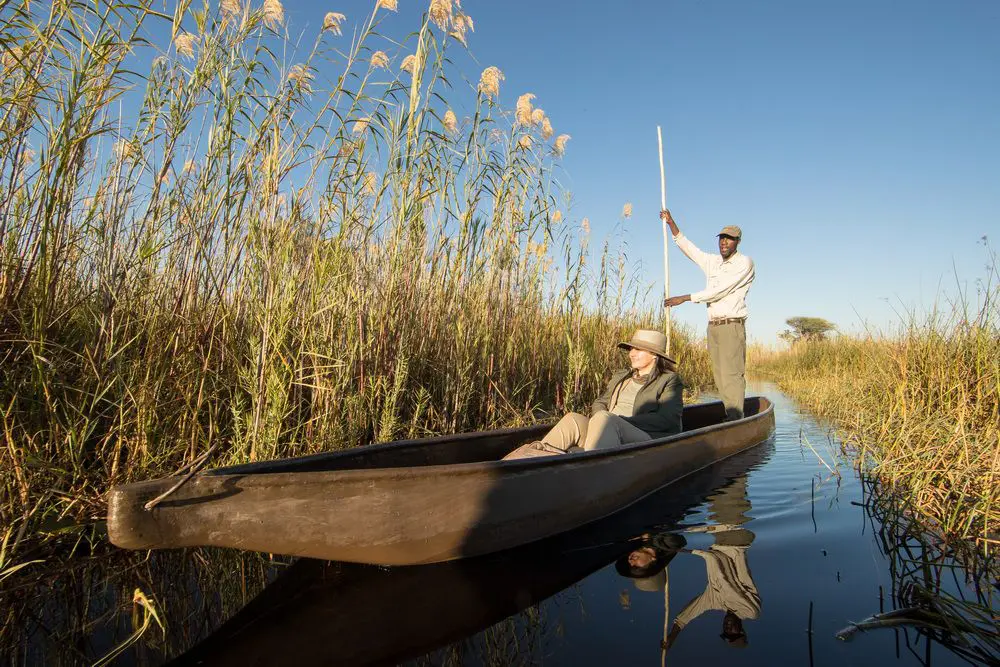
You step into the mokoro at first light, settling cross-legged on a woven cushion as your poler pushes off from the sandy bank. The channel is narrow here, papyrus closing overhead, and the only sound is the pole planting and lifting in a steady two-beat rhythm.

Read more Show less

Within minutes the reeds open onto a lagoon ringed by water figs, and a herd of lechwe lifts its heads in unison, then resumes grazing as you drift past.

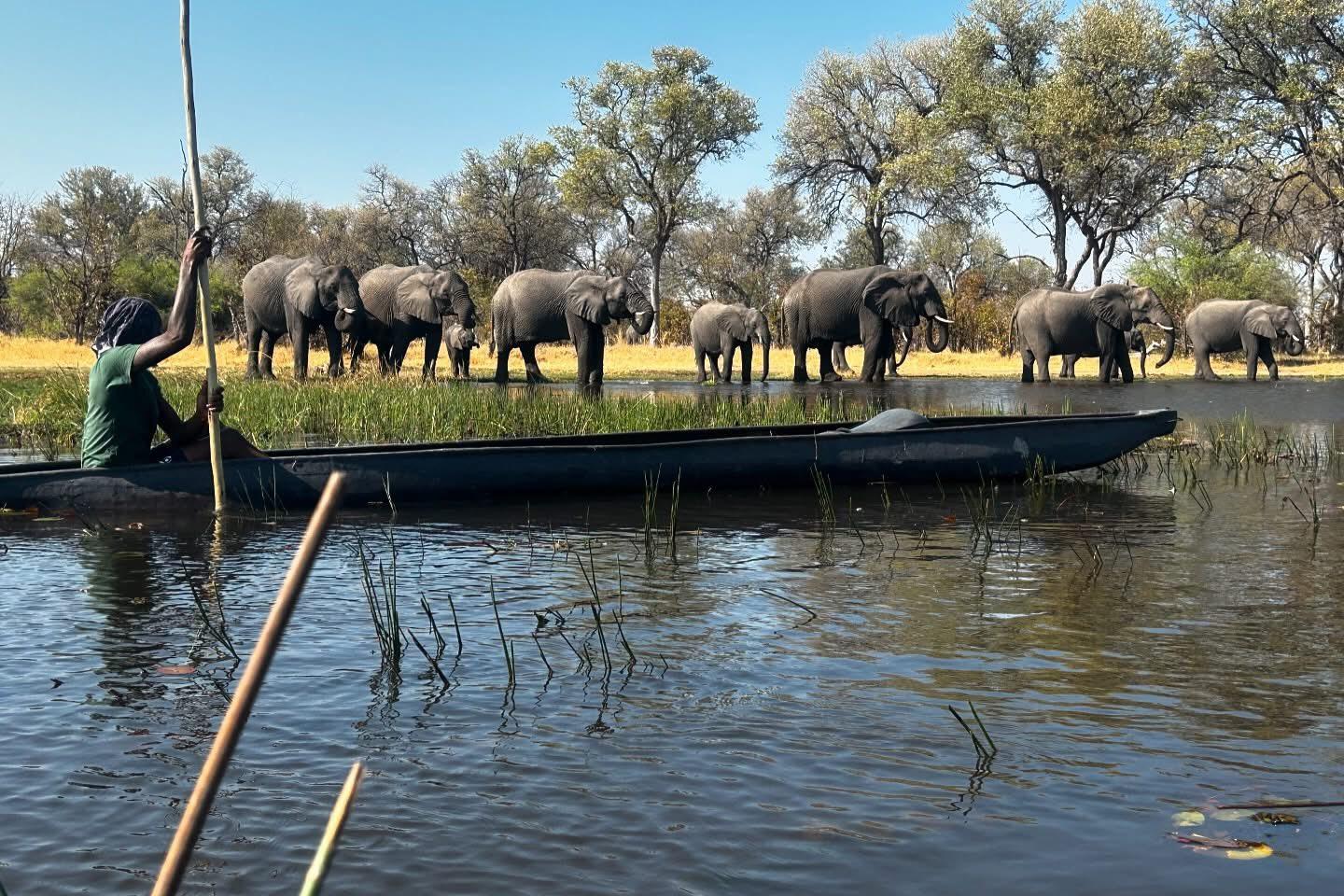
Your poler gestures silently toward a submerged hippo trail, then steers around a sandbank where a crocodile basks with its jaws agape. You glide through water so clear you can count the barbel nosing through submerged grass, the mokoro drawing less than twenty centimetres. A fish eagle drops from a dead leadwood and rises with a bream flashing silver. The sun climbs and the poler finds shade under a canopy of wild date palms, where you watch a family of elephants wade chest-deep across the channel, calves trailing their mothers.

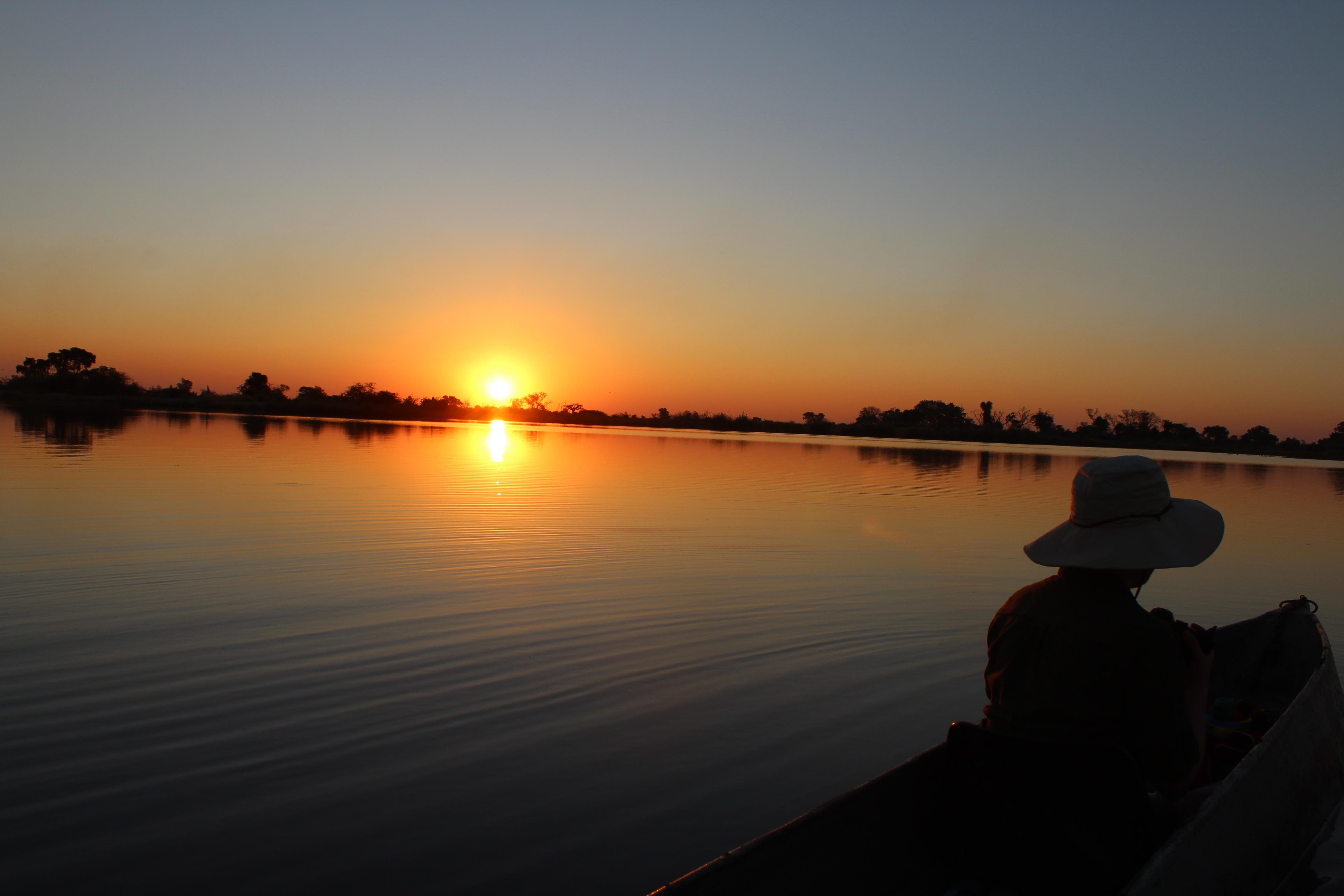
By mid-morning you have entered deeper water, the channels widening into floodplains dotted with islands. The poler beaches the mokoro on one for tea, and you walk a game trail to a termite mound commanding views across kilometres of seasonal wetland. When you return to the water the light is softening, and the papyrus walls glow amber as you retrace the route back to the station.

Okavango Delta Mokoro Tour
Everything You Need to Know

Your complete Okavango Delta Mokoro guide

All the details about your upcoming adventure in one place

Okavango Delta Mokoro Tour Experience

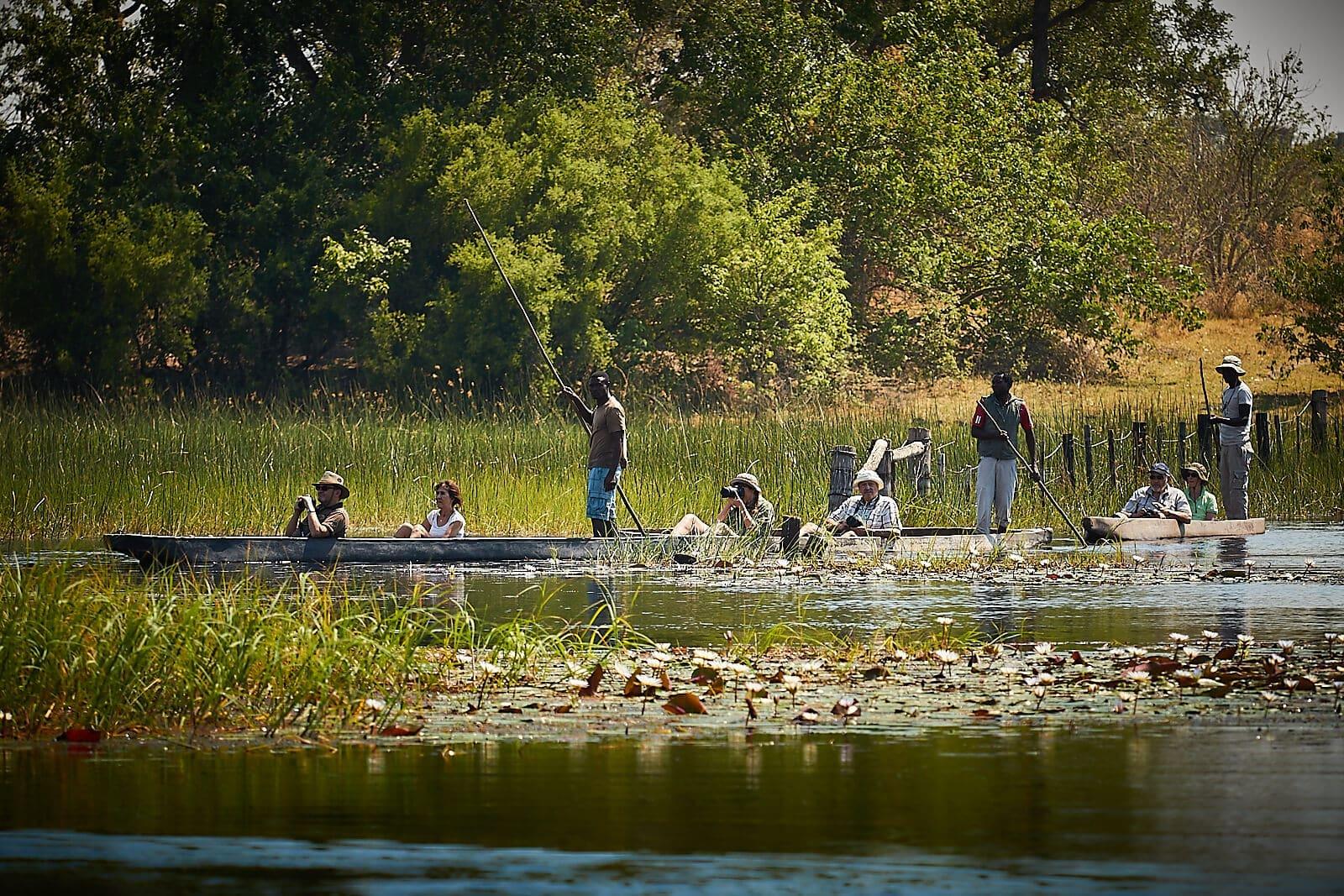
An okavango delta mokoro tour glides you through pristine channels in a traditional dugout canoe, poled silently by expert guides. These mokoro tours reveal papyrus-lined waterways, lily-covered lagoons, and close encounters with hippos, elephants, and countless bird species across the floodplains. Okavango delta mokoro tour tickets typically include guided poling, short walking safaris on palm islands, and wildlife interpretation.

The mokoro predates the wheel in the Okavango: dugout canoes carved from single ebony or sausage-tree trunks, propelled by a wooden pole planted into the sandy channel floor.

For centuries the BaYei and Hambukushu peoples navigated the delta's fifteen thousand square kilometres of seasonal floodplain this way, moving livestock and harvests through water that arrives each year from Angola's highlands. The flood peaks between June and August, long after the rains have stopped, transforming Kalahari sandveld into the world's largest inland delta.

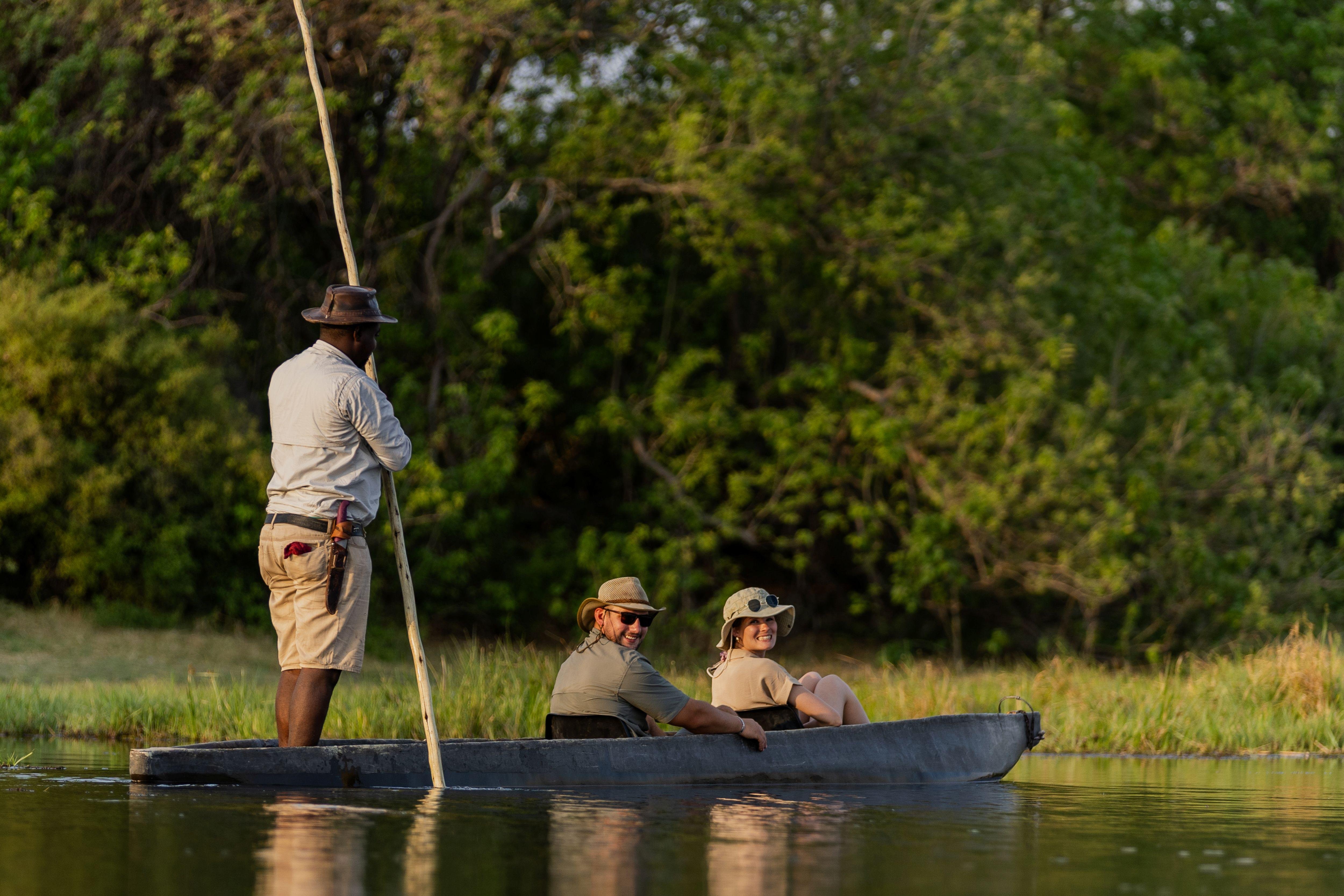
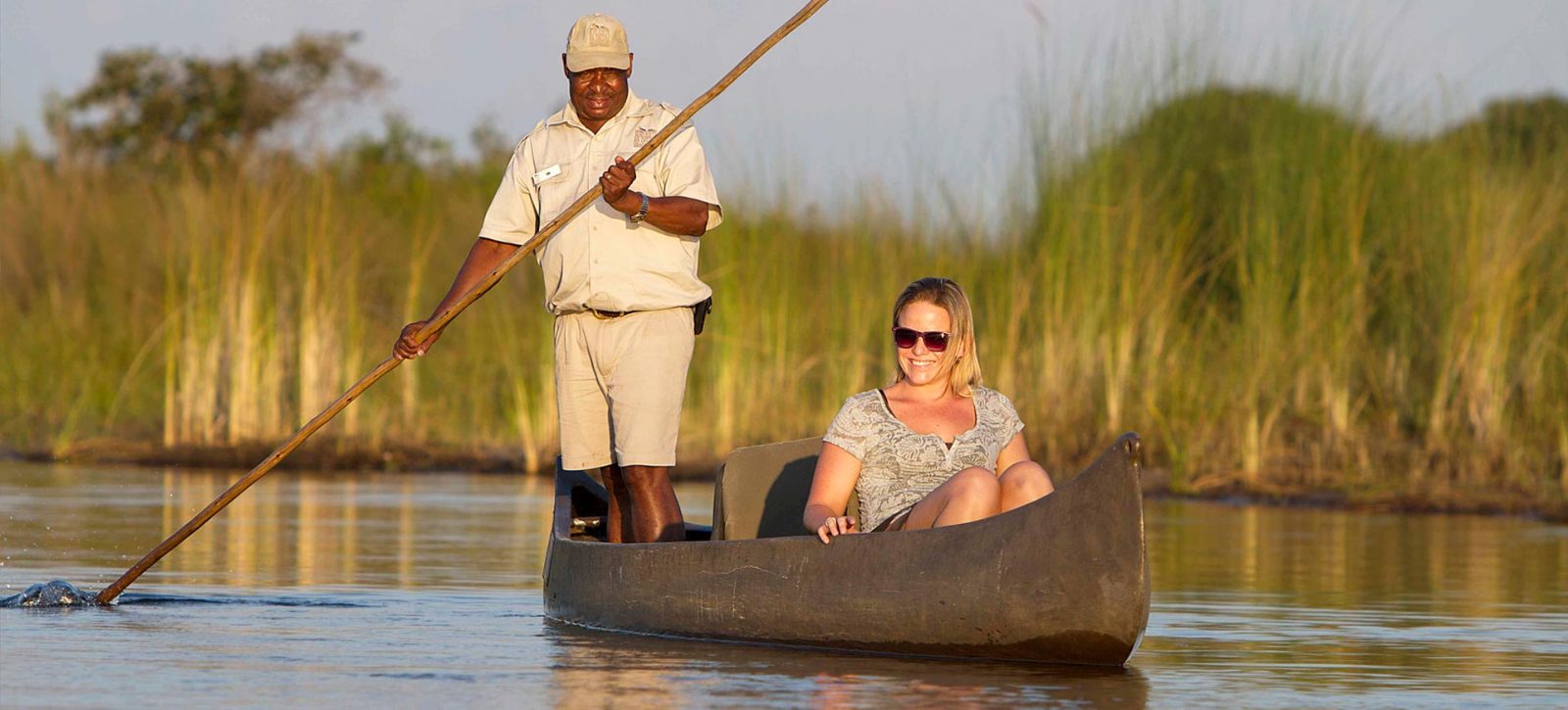
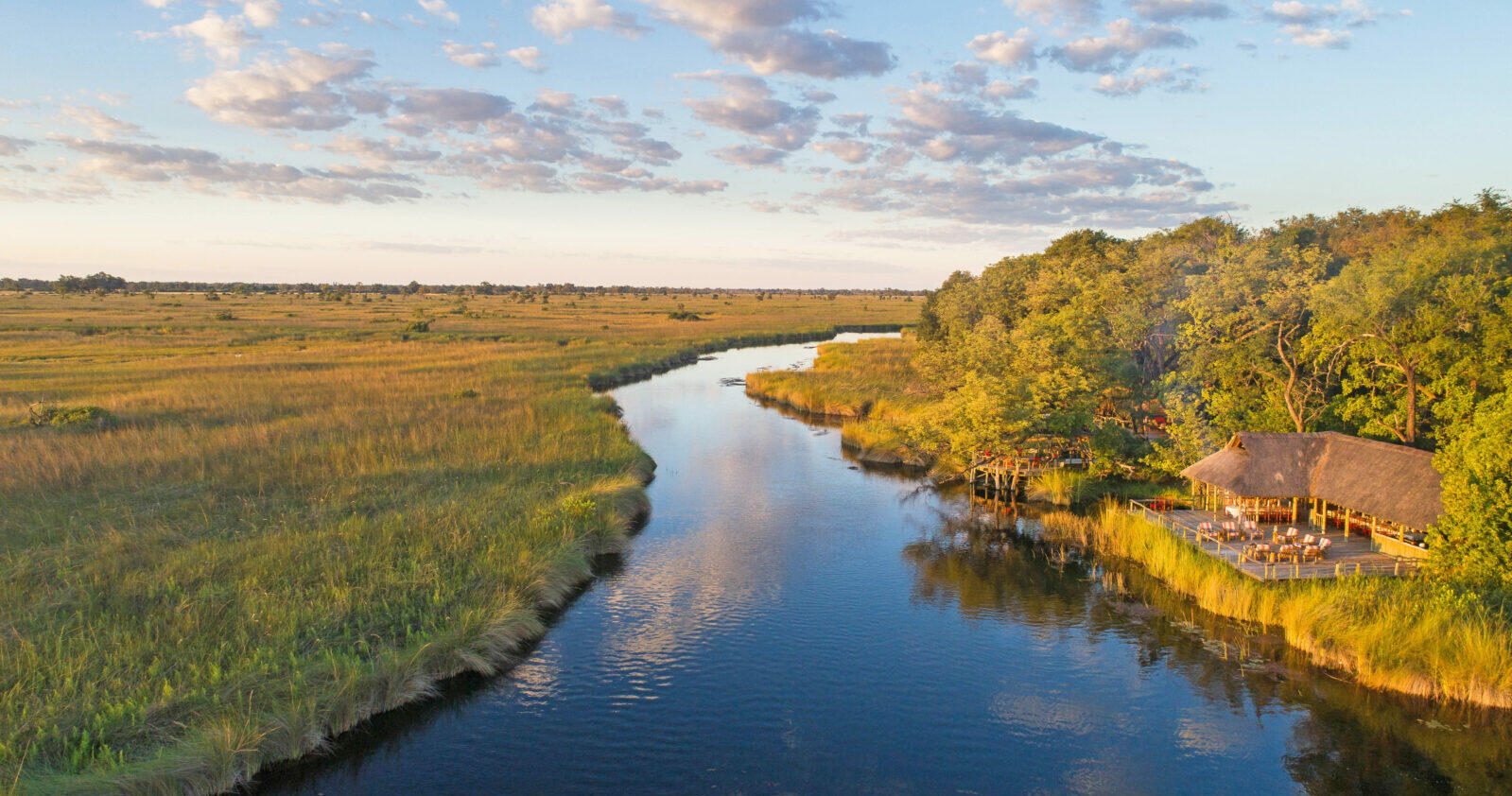
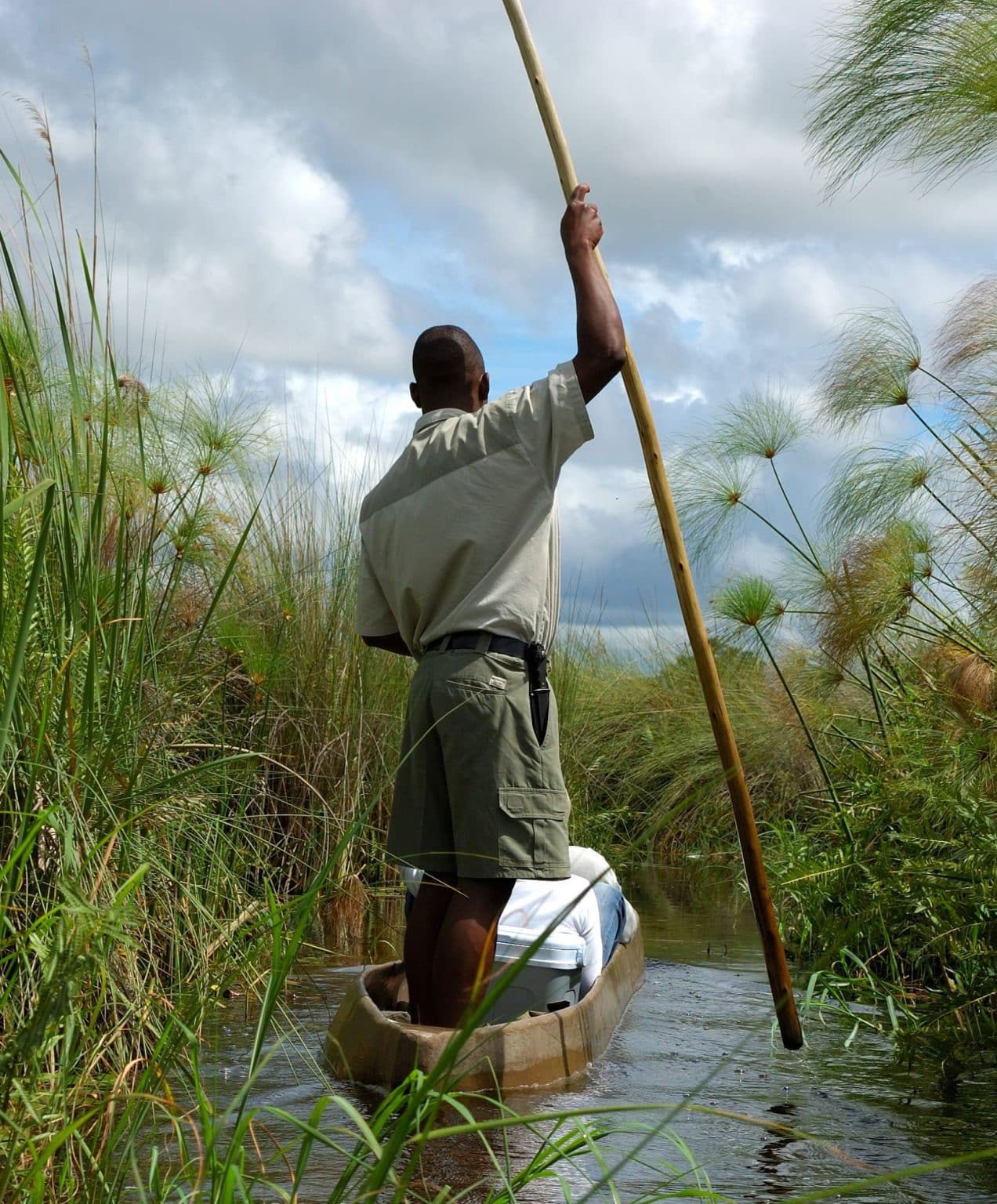
Today the mokoro remains the only non-motorised way to enter the shallow channels where hippos graze at dawn and lechwe browse on sedge islands. Fibreglass has replaced most dugouts to spare the trees, but the design is unchanged: low-slung, stable in fifteen centimetres of water, silent enough that a poler can bring you within metres of a saddlebill stork without flushing it. Most okavango delta mokoro tours depart from Maun or the community-run mokoro stations at Seronga and Boro, threading through papyrus walls three metres high that open suddenly onto lagoons where jacanas walk on lily pads and fish eagles call from drowned leadwood branches.

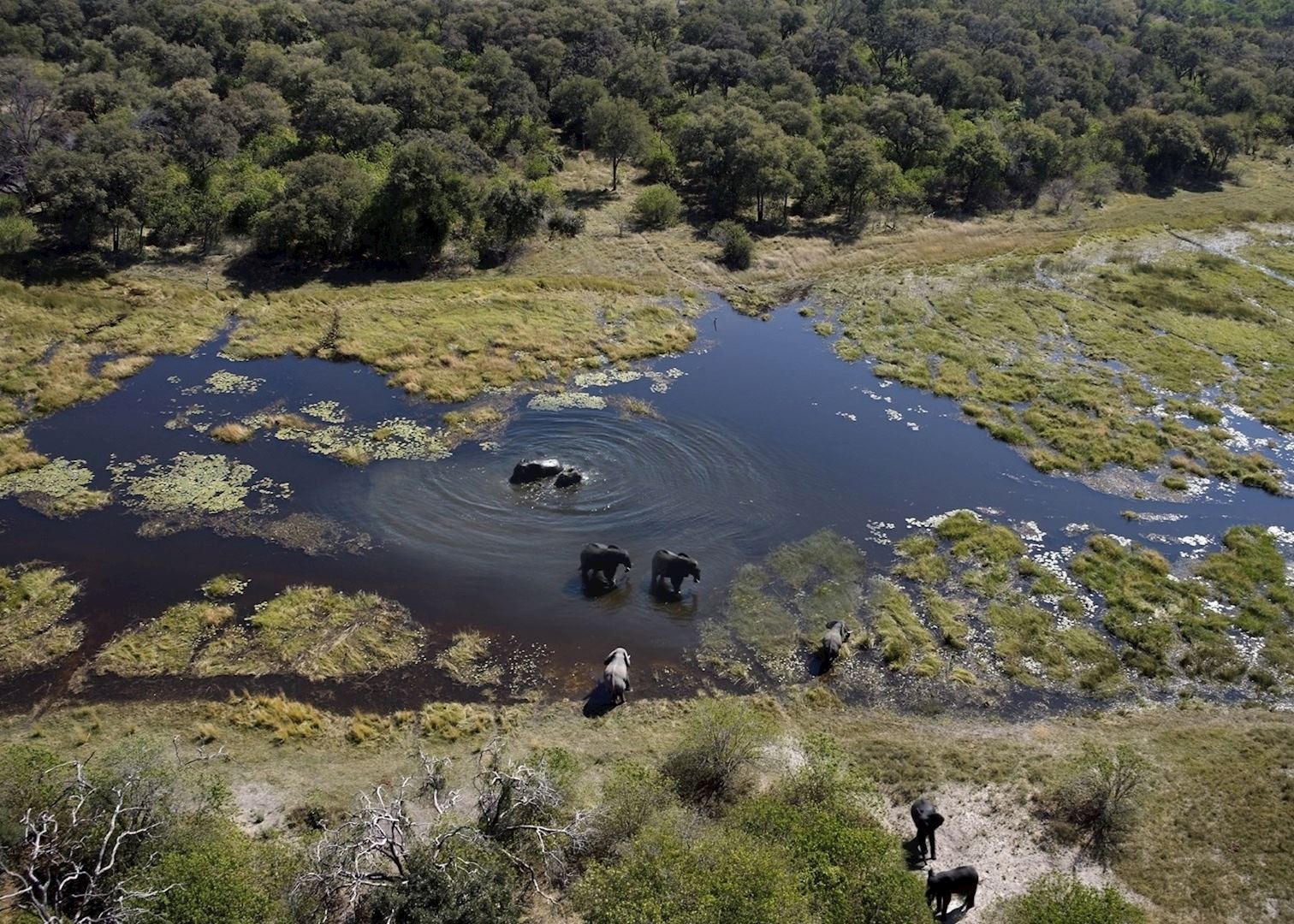
The delta ecosystem depends on the annual flood pulse. Water spreads across ninety-six thousand square kilometres of interconnected channels and pans, seeping laterally rather than rushing downstream, filtered by papyrus roots and evaporating under the Kalahari sun. Ninety-eight percent of the inflow is lost to evapotranspiration; the remaining fraction sustains one of Africa's densest concentrations of wildlife. Elephant herds cross deep channels swimming trunk-up, buffalo move between islands as the water recedes, and sitatunga antelope—endemic to the delta—hide in reedbeds with splayed hooves adapted to soft mud.

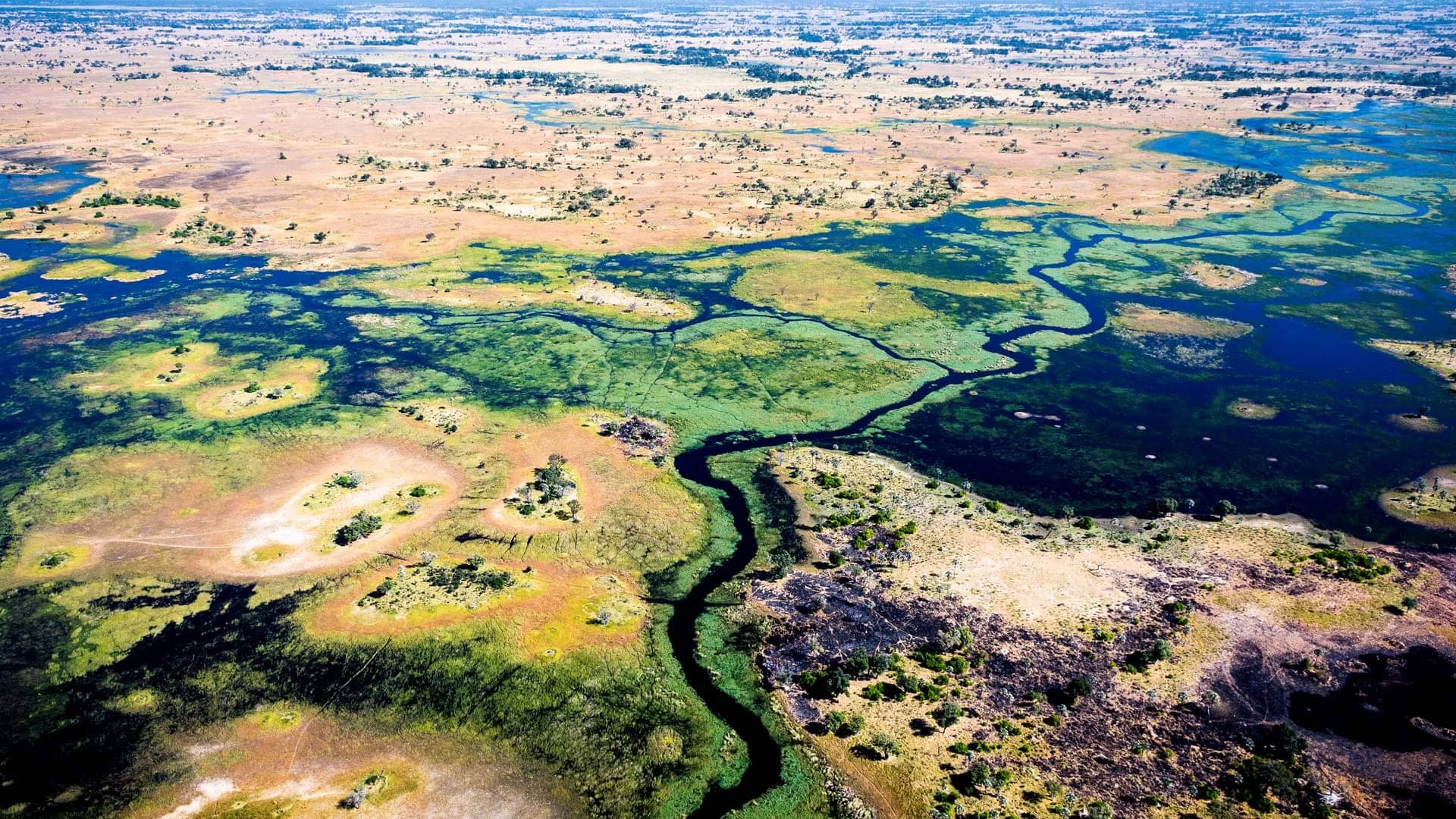
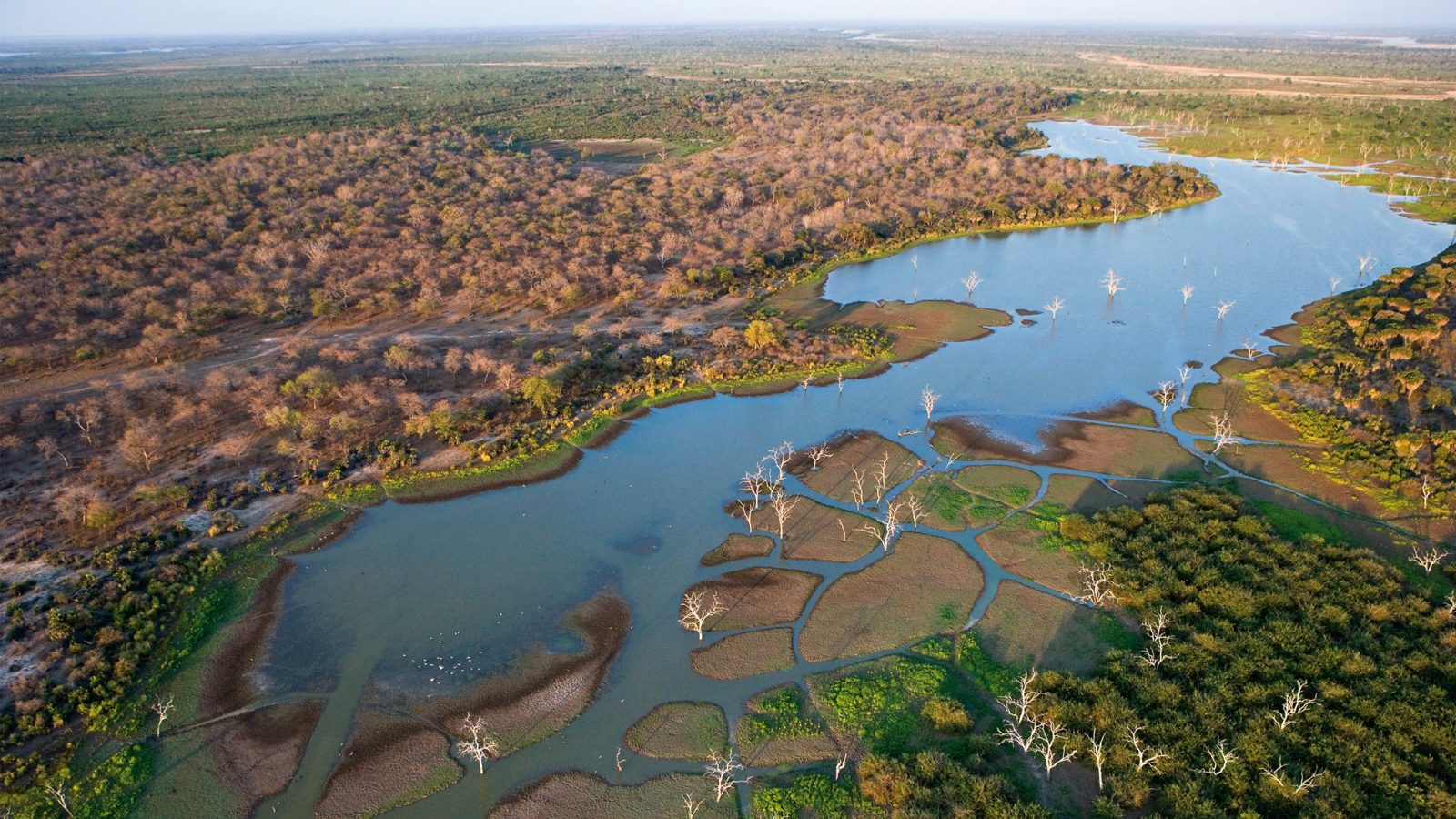
A mokoro safari is measured in hours of silence punctuated by the poler's rhythm. Early morning departures capture the coolest light and the most active birdlife: malachite kingfishers diving for tilapia, African skimmers banking low over lagoons, pygmy geese in flotillas. The poler reads the water's colour to gauge depth, choosing routes that weave between termite mounds anchoring fig trees, past herds of red lechwe standing belly-deep in floodplain grass. When to visit Okavango Delta matters: dry season months from May to October offer the highest water levels and concentrated game, though shoulder seasons see fewer visitors and calmer channels. Where is the Okavango Delta becomes clear from the air—a vast green fan spreading across the northwest corner of Botswana, bordered by the Kalahari on three sides and fed by a single river that never reaches the sea.

The mokoro remains the only non-motorised way to enter the shallow channels where hippos graze at dawn and lechwe browse on sedge islands.

Dress code

Wear neutral-colored, lightweight clothing to blend into the environment and protect against sun exposure. Long sleeves and trousers are recommended to minimize insect bites during an okavango delta mokoro tour.

Bags & security

Only small, soft-sided waterproof bags are permitted due to the limited surface area on a traditional mokoro canoe. Secure all loose gear to ensure nothing falls into the delta waters.

Photography

Use a dry bag to protect camera equipment from moisture during your okavango delta mokoro tour trip. Ensure lenses are cleaned frequently to account for dust and spray.

Families & strollers

Children are often required to be at least 6-10 years old to participate in an okavango delta mokoro tour depending on local safety regulations. Guardians must ensure children remain seated and quiet to avoid disturbing wildlife.

Accessibility

The okavango delta mokoro tour is generally not suitable for individuals with limited mobility due to the requirement of stepping into a low-sitting dugout canoe. Guests must be able to sit on the floor of the vessel for the duration of the excursion.

Food & drink

Carry sufficient bottled water as dehydration is a risk in the Botswana heat. Most tours do not include food, so pack light snacks that do not produce excess waste.

Not allowed

× Single-use plastics × Bright-colored clothing × Loud speakers × Heavy hard-shell suitcases × Drones × Alcoholic beverages × Flash photography equipment × Open-toe sandals

What to bring

✓ Sunscreen ✓ Wide-brimmed hat ✓ Binoculars ✓ Water bottle ✓ Insect repellent ✓ Camera with dry bag ✓ Valid identification

Opening hours

Mon 00:00–23:59
Tue 00:00–23:59
Wed 00:00–23:59
Thu 00:00–23:59
Fri 00:00–23:59
Sat 00:00–23:59
Sun 00:00–23:59

How to get there

At a glance

Opening Hours

00:00–23:59

Address

Okavango Delta, North-West District, Botswana

Water Access

Mokoro dugouts require balanced seating

Best arrival

06:00–09:00

Storage

Limited space on traditional boats

Navigation

Professional guides navigate waterways

Getting there

Car · 2–4 hours · Included in tour packages

Most travelers arrive via 4x4 vehicle through Maun into the delta reserves.

Taxi · 1.5 hours · Variable rates

Hire private transport from Maun to reach regional launch stations.

Cancellation policy

Full refunds are typically available for cancellations made at least 72 hours before the scheduled okavango delta mokoro tour. The 120 BWP conservation fee may be non-refundable depending on operator terms.

Plan your time

When to Book Your Okavango Delta Mokoro Tour for Optimal Timing

Recommended time

Half a day

Planning an okavango delta mokoro tour requires adherence to the best arrival window of 06:00–09:00 to ensure calm water and higher wildlife activity. While you may secure okavango delta mokoro tour tickets for later in the day, the heat often reduces animal sightings, making early departures preferable for these traditional dugout canoe excursions. Managing your okavango delta mokoro tour tours effectively means prioritizing the dawn hours, as the serenity of the wetlands diminishes as the sun climbs higher. Visitors usually find that this duration allows for a deep immersion into the channels and reed beds, which are hallmarks of a Botswana water safari.

Crowd levels through the day

06:00–09:00 Light
09:00–12:00 Moderate
12:00–15:00 High
15:00–18:00 Moderate
18:00–23:59 Light
Plan ahead

Best time to visit Okavango Delta Mokoro

Weather · crowds · average price — dots go green to amber to red as each metric rises.

June–August

Cooler temperatures and receding floodwaters make this the prime time for viewing large mammals. Wildlife concentrates near the water channels during these dry months.

September–October

Very warm temperatures with high visibility for bird watching. Animals are frequently found congregating at remaining water holes.

Insider tips

Helpful tips for visiting Okavango Delta Mokoro

Respect the wildlife

Maintain complete silence to increase chances of seeing elusive species near the water. Avoid sudden movements that could unbalance the narrow canoe.

Follow the poler

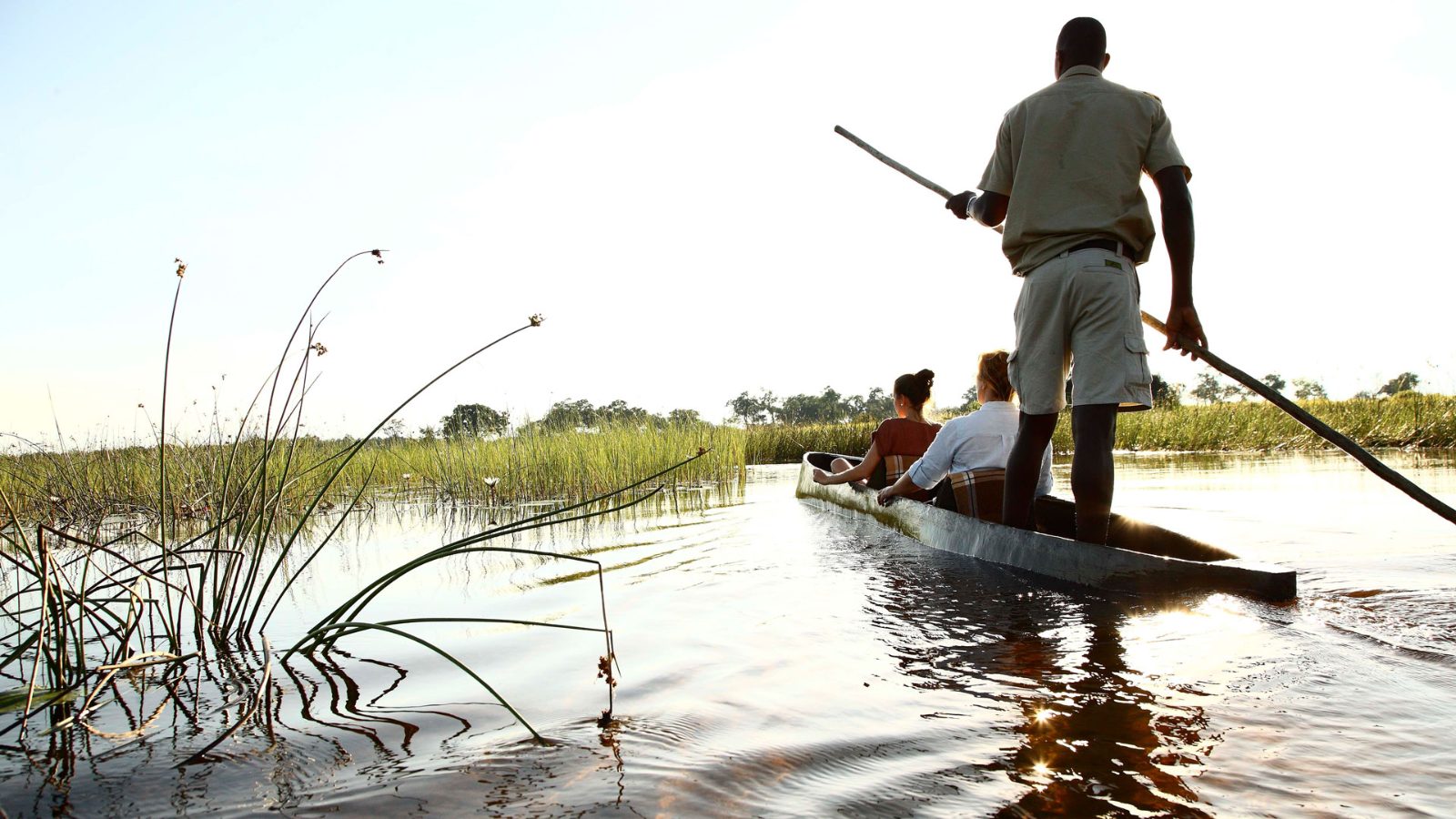
The poler controls the vessel using a wooden pole and knows the channels best. Trust their navigation over your own instincts in the reeds.

Where to meet

Okavango Delta Mokoro meeting points

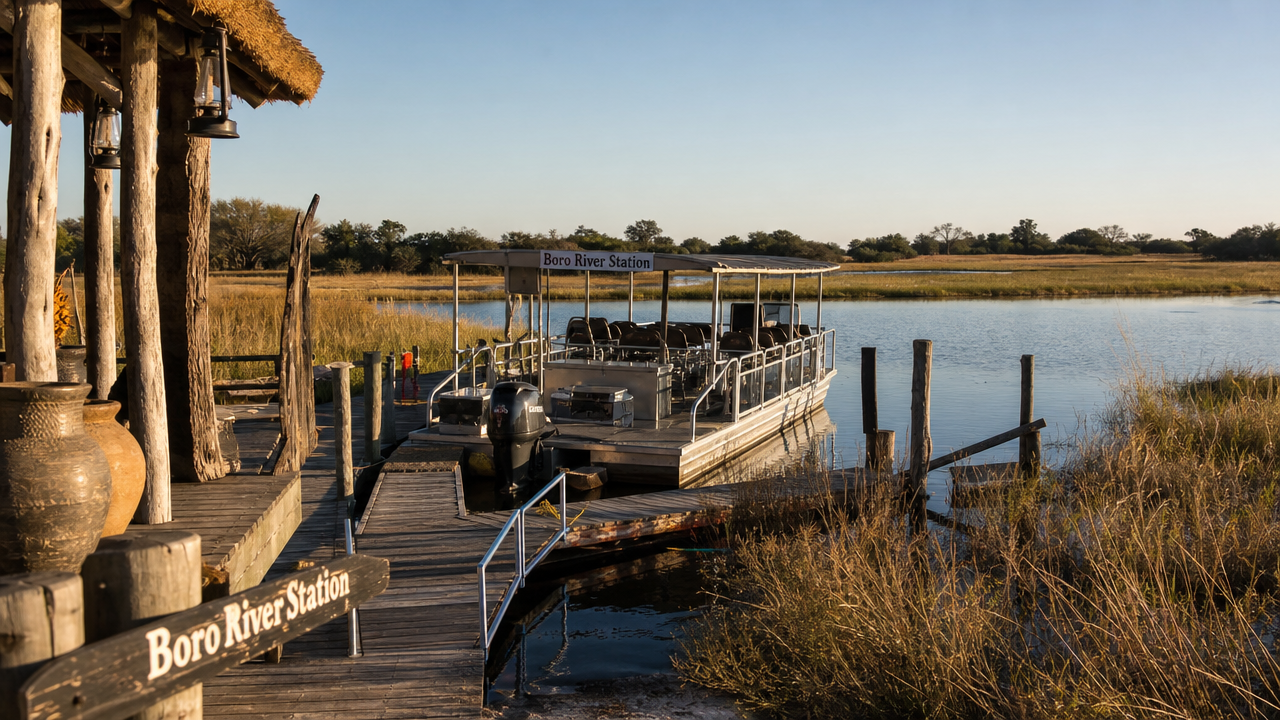
Boro River Station

Boro River Station

Boro Village, Okavango Delta

Primary launch for central delta routes

Get directions
Photo spots

Best Photo Spots for Your Okavango Delta Mokoro Tour

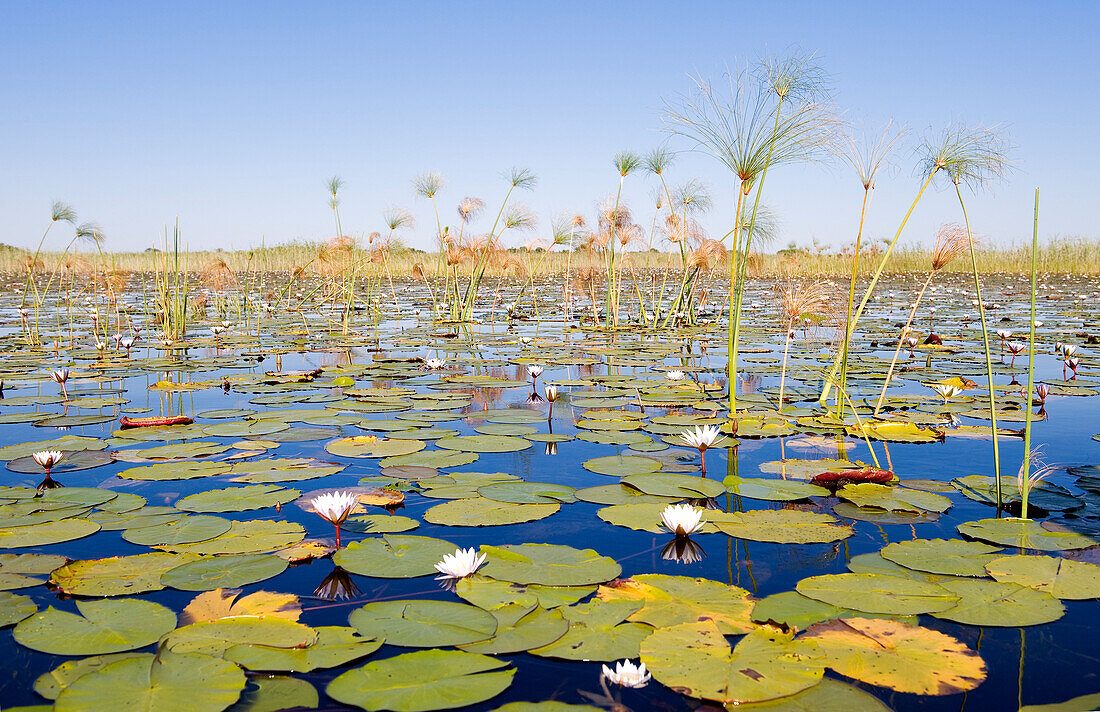
Water-Level Lily Pad Channel

Water-Level Lily Pad Channel

Best light · Golden hour

Position your camera low to the water surface to capture the intricate details of Nymphaea lotus blooms and the reflection of the sky on the glassy channel. This perspective is ideal during an okavango delta mokoro tour to emphasize the serene scale of the landscape.

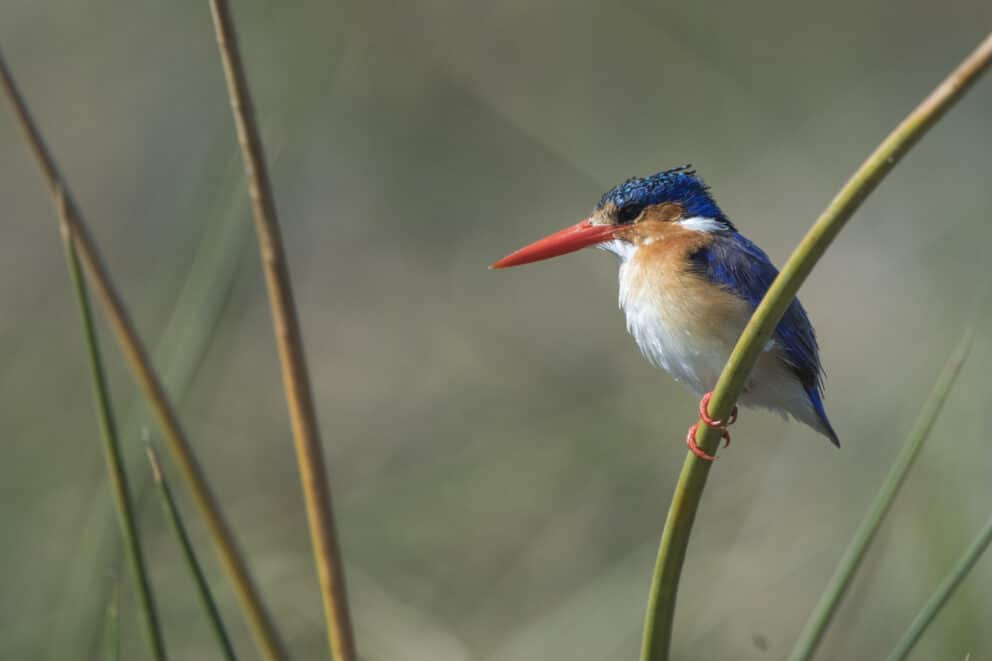
Reed Bed Edge

Reed Bed Edge

Best light · Before 09:00

Focus your lens on the dense papyrus walls where vibrant malachite kingfishers often perch. Standing or sitting steadily in your craft allows for sharp shots of these birds as they hunt for insects.

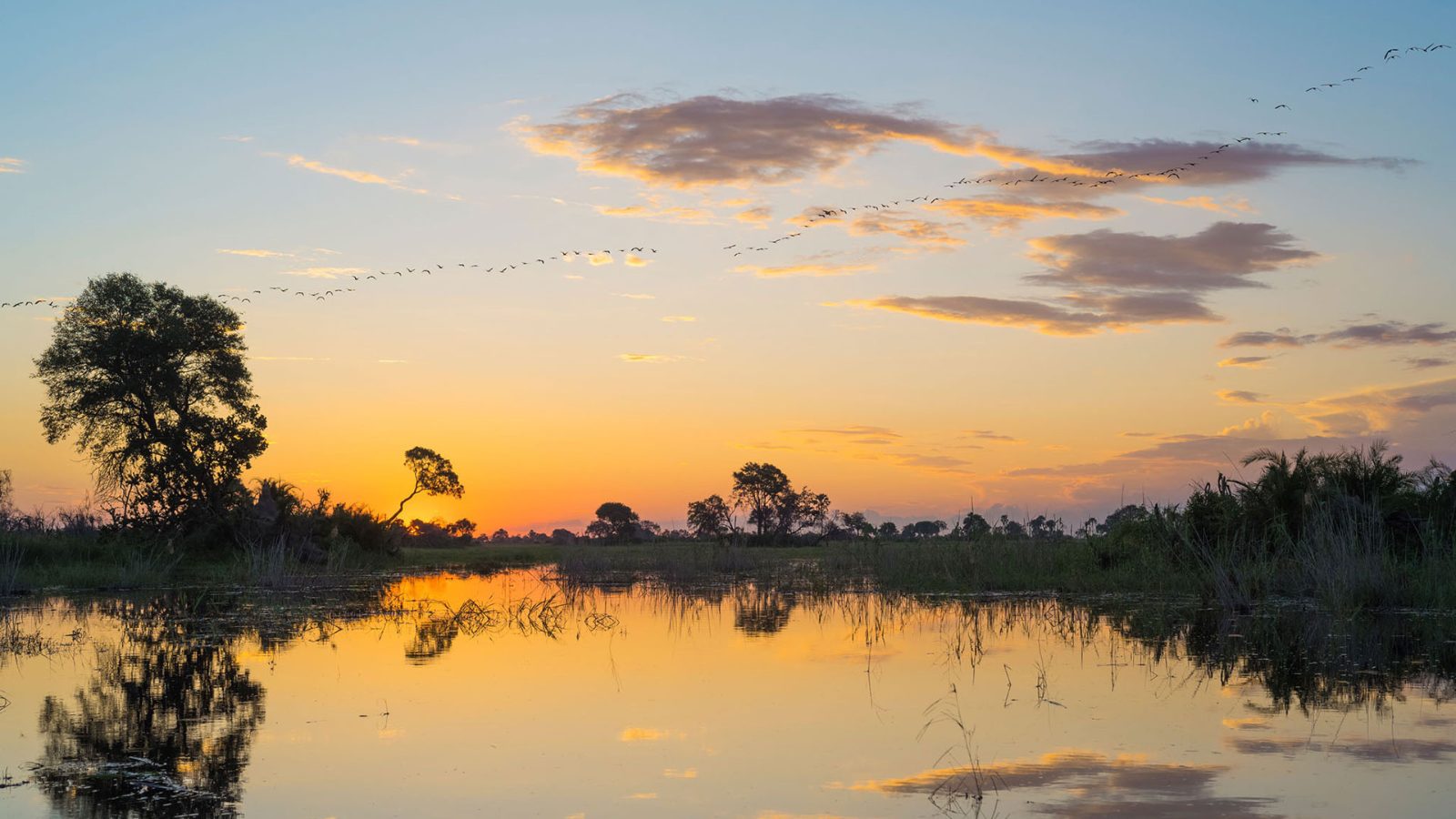
Floodplain Sunrise Vantage

Floodplain Sunrise Vantage

Best light · 06:00–07:00

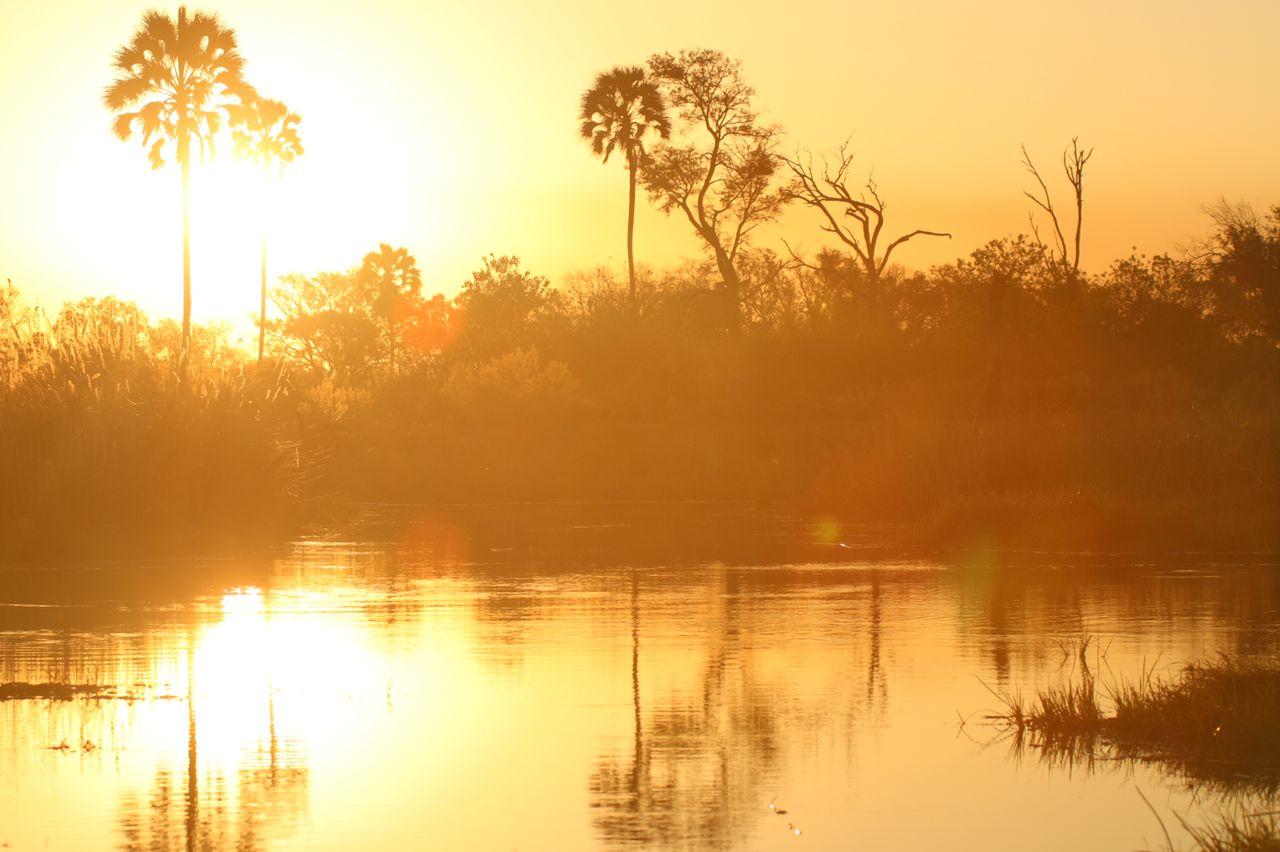
Capture the golden light hitting the tall grasses and shallow floodplains from a stable, stationary point within the delta. This location highlights the vastness of the wetlands, perfect for those booking okavango delta mokoro tour tours.

Deep Channel Hippo Corridor

Deep Channel Hippo Corridor

Best light · Mid-morning

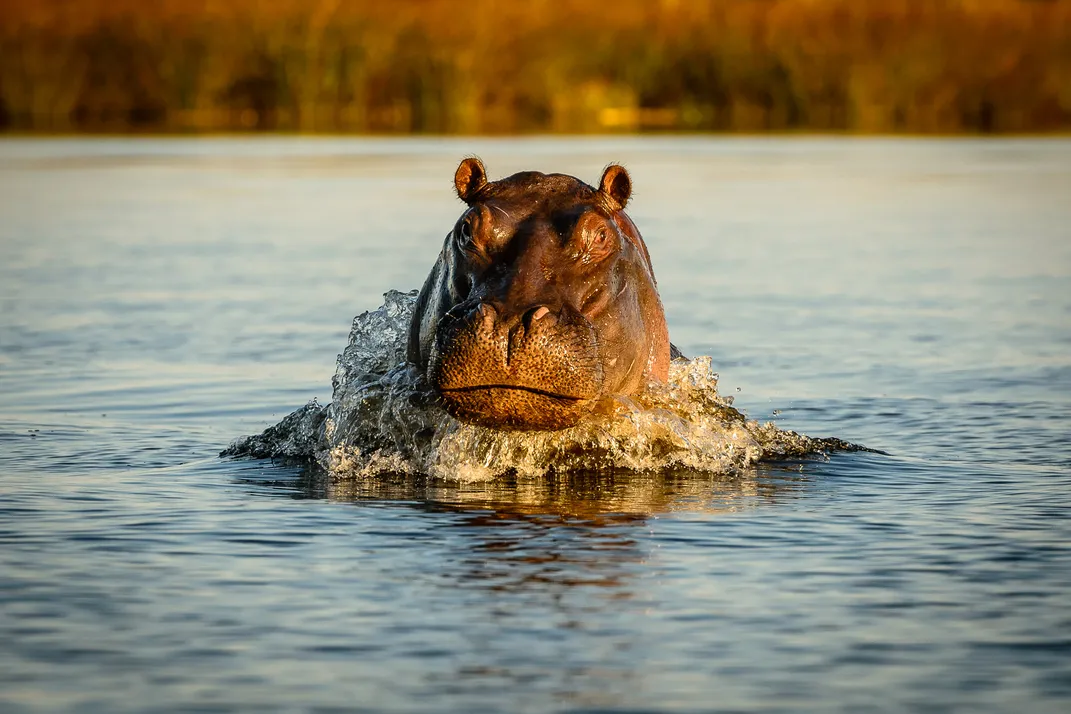
Shoot from a safe distance when your poler identifies a clear sightline toward deeper water to photograph hippos partially submerged. Using a fast shutter speed is essential to catch subtle head movements before they submerge completely.

Gallery

Moments from Okavango Delta Mokoro

Customer Reviews

What travelers say about Okavango Delta Mokoro

Real experiences from real travelers

4.4
Based on 2,400 reviews
1 ★ 1200
2 ★ 890
3 ★ 1500
4 ★ 4100
5 ★ 18200
S
Sarah K.
Australia · 2026-06-12

Silent gliding through paradise

Our three-day okavango delta mokoro tour exceeded every expectation. The poler navigated channels so narrow the papyrus brushed our shoulders, and we spotted lechwe antelope drinking just meters away. Mornings began with mist rising off the water and ended with hippo calls echoing across the floodplain. The silence broken only by birdsong made this the most peaceful experience of our Africa trip.

J
James T.
United Kingdom · 2026-07-03

Best way to see the delta

Traditional canoe travel through the waterways revealed wildlife in a way vehicles never could. Our guide poled us silently past a herd of elephants crossing between islands, then stopped so we could watch a fish eagle dive. The low vantage point from the mokoro put us at eye level with the ecosystem. Three hours felt like thirty minutes.

E
Elena M.
Spain · 2026-05-18

Authentic wilderness immersion

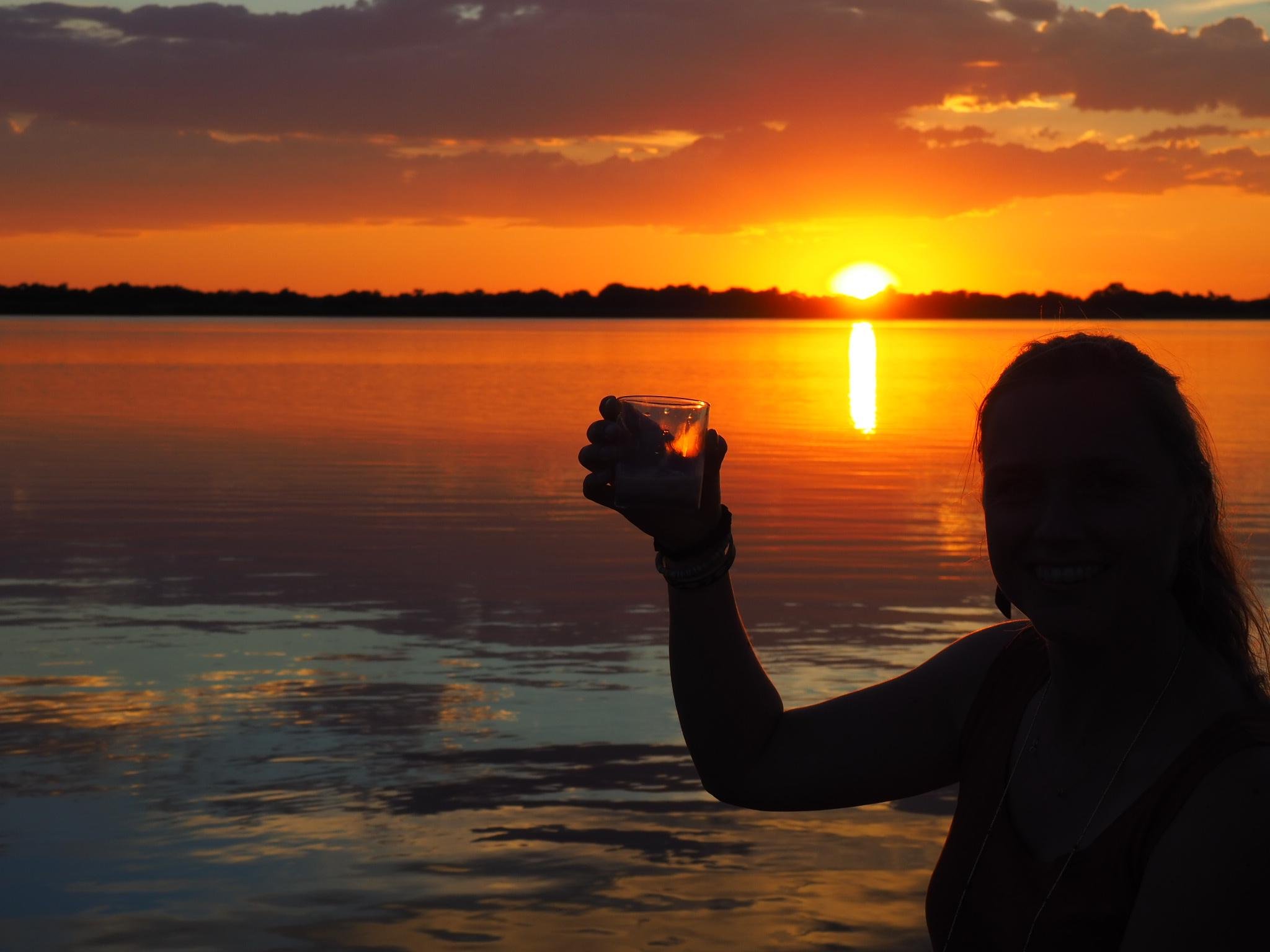
We chose this traditional dugout canoe safari over motorized options and I'm glad we did. The poler's knowledge of seasonal channels and animal behavior was remarkable. We camped on a palm island and heard lions calling at night. Watching sunset from the mokoro with only the sound of the pole entering water created memories I'll carry forever.

D
David L.
United States · 2026-03-22

Peaceful but bring sun protection

The okavango delta mokoro tour lived up to its reputation for serenity. We spent two days navigating papyrus-lined channels and spotted numerous water birds including the rare Pel's fishing owl. Only drawback was the intensity of midday sun with no shade in the canoe. Would recommend morning and late afternoon departures over midday paddling.

Y
Yuki H.
Japan · 2026-07-29

Window into pristine ecosystem

Our guide poled the traditional canoe through shallow waterways where motorboats cannot reach. We drifted past hippo pods, stopped to observe tiny painted reed frogs, and learned which lily species indicate water depth. The mokoro safari combined with a walking component on islands gave us access to both aquatic and terrestrial wildlife. Exceptional experience that justified the journey to Botswana.

M
Marco R.
Italy · 2026-04-14

Timeless travel method

Using the same transport method locals have used for centuries added authenticity to our delta exploration. The poler stood at the stern with his long wooden pole while we sat low in the dugout canoe, moving silently through reed beds. We encountered sitatunga antelope, malachite kingfishers, and eventually a leopard drinking at the channel edge. Three days felt perfectly paced.

C
Catherine B.
Canada · 2026-08-05

Remarkable guide expertise

Our okavango delta mokoro tour guide read the landscape like a language. He identified animal tracks on islands, knew which channels held crocodiles, and positioned us perfectly for a rare sighting of African wild dogs crossing between land masses. The traditional poling technique allowed us to navigate water barely ankle-deep. Worth every moment of the long flight to Maun.

T
Thomas A.
Germany · 2026-02-28

Winter perfection

We visited during the dry season when water levels concentrate wildlife around permanent channels. The mokoro allowed silent approach to elephants feeding in the papyrus, and our camping nights were filled with the sounds of the floodplain. Our poler's stamina was impressive as he propelled the dugout canoe through varying water depths for hours without complaint.

L
Linda W.
South Africa · 2026-06-19

Beautiful but physically demanding

The waterways themselves are stunning and we saw plenty of wildlife from the traditional canoe. However, sitting in one position for extended periods made my back ache, and the low seat meant limited visibility at times. The poler was skilled and knowledgeable. Just be prepared for the physical reality of long hours in a mokoro if you have mobility concerns.

A
Antoine D.
France · 2026-05-07

Unmatched for photography

The stable platform of the mokoro combined with our guide's willingness to pause for shots made this ideal for wildlife photography. We captured images of reed cormorants, crocodiles basking, and a serval hunting on an island at dawn. The low angle from the canoe created unique perspectives. Morning light on the papyrus channels provided perfect conditions for landscape work.

FAQ

Okavango Delta Mokoro — frequently asked questions

Everything you need to know for your journey

Around the corner

More to see near Okavango Delta Mokoro

Moremi Game Reserve

Moremi Game Reserve

0 min

park

Extensive protected area offering diverse ecosystems and abundant wildlife viewing opportunities.

Chiefs Island

Chiefs Island

0 min

landmark

A historic elevated area that remains one of the most prolific wildlife zones in the delta.

Where to stay

Where to stay near Okavango Delta Mokoro

Delta Safari Camp

Delta Safari Camp

0 min

luxury

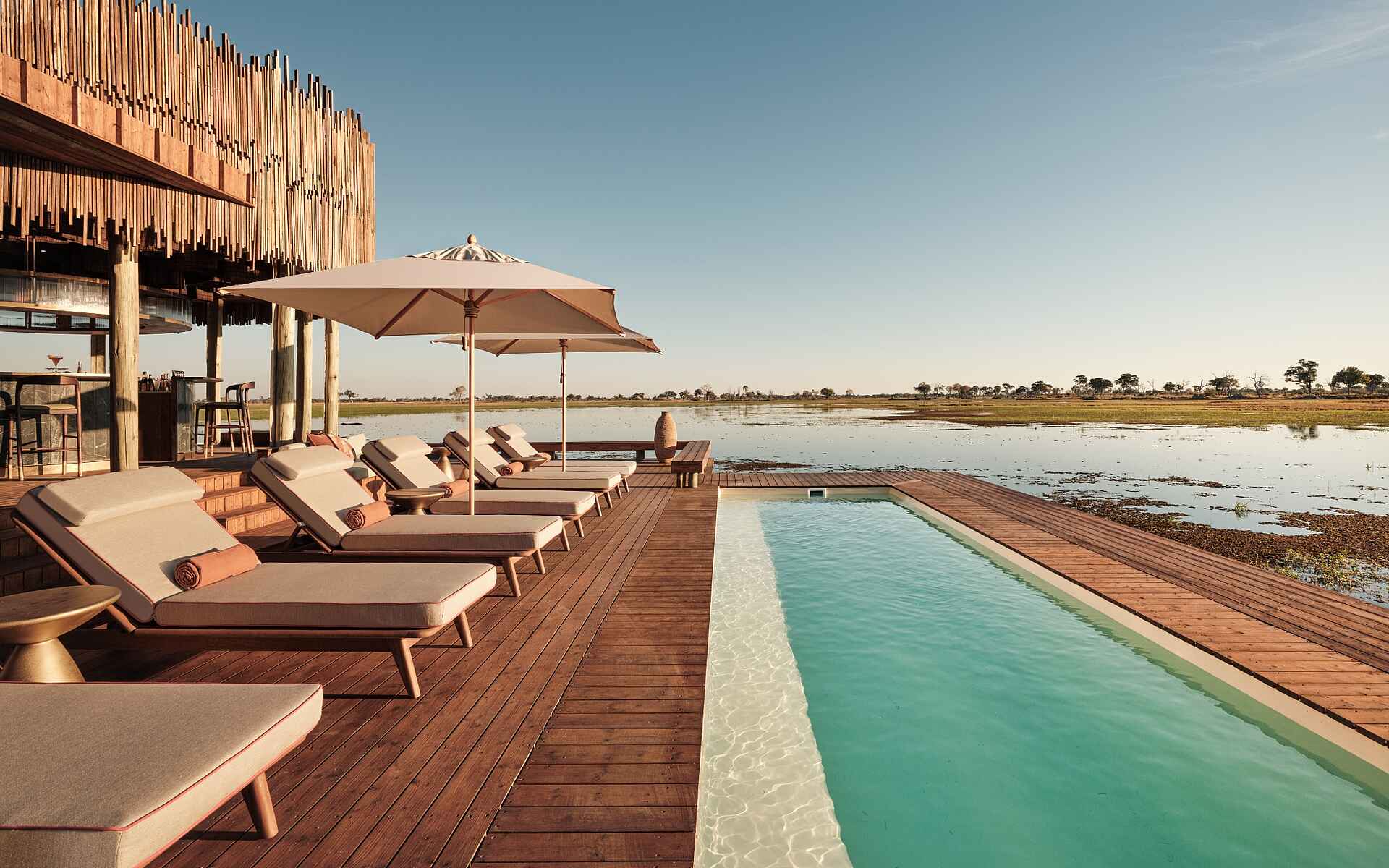
High-end lodge located directly on a delta island.

Maun Budget Inns

Maun Budget Inns

0 min

budget

Standard accommodation located in the nearest major hub town.

Ready for Adventure?

Join thousands of happy travelers who have discovered this incredible experience

Book Your Experience Now