24 hr
Okavango Delta: Full-Day Mokoro Canoe & Walking Safari
- Expert local guide
- Small group
- Skip-the-line access
- Free cancellation
Okavango Delta Mokoro Day Trip — Canoe Safaris & Island Walks
Poled through papyrus channels, still as the water around you
Compare fares, pick the fit — all bookings are mobile-voucher and eligible for free cancellation where shown.
24 hr
8 hr
6 hr
Selecting the right okavango delta mokoro day trip allows visitors to choose between standard group excursions or private, personalized explorations of these iconic waterways. Each choice provides a unique perspective on the tranquil channels of this UNESCO heritage site, ensuring a memorable experience in the heart of Botswana.
| Group Excursion Shared vehicle and boat |
Top pick Private Expedition Dedicated guide and boat |
|
|---|---|---|
| Departure location | Maun accommodation | Maun accommodation |
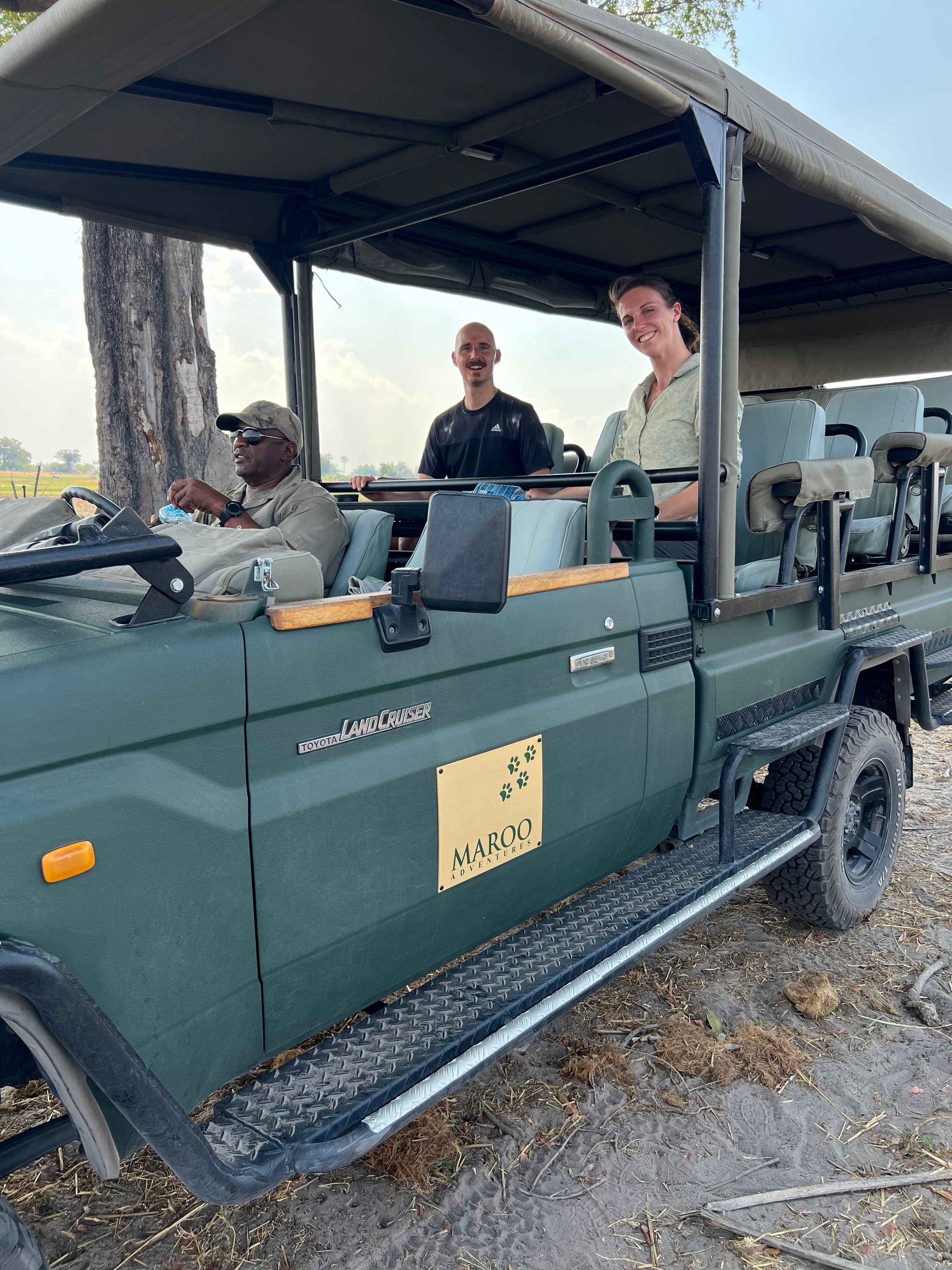
| Transport type | 4WD open-sided vehicle | Private 4WD vehicle |
| Wildlife viewing | Shared channel exploration | Customized route and pace |
| Walking safari | Included on island | Included with personal guide |
| Pricing | Standard rate per adult | Premium bespoke pricing |
| Best for | First-timers and social travelers | Photographers and private groups |
| See tickets & prices |
Verdict: Choose the private okavango delta mokoro day trip tour for flexible timing and photography, or book the group okavango delta mokoro day trip tickets to enjoy social wildlife viewing at a cost-effective price.
Worth it for wildlife and wilderness seekers
An okavango delta mokoro day trip delivers what few places can: silent passage through papyrus channels in a traditional dugout canoe, poled by local guides who read the delta's rhythms. The bookable full-day tours combine mokoro canoeing with guided island walks, letting you track elephants, spot sitatunga antelope, and watch hippos from water level—no engine noise, just birdsong and the whisper of the pole. Concession fees are already included, so the delta itself is free to explore once you're on the water. It pays off for anyone who values immersive wildlife encounters over comfort, and who understands that this isn't a zoo drive—sightings depend on season, water levels, and patience. Day trips from Maun make the delta accessible without the cost of multi-night fly-in camps, though you'll miss the magic of sunrise and the full range of channels deeper in the system.
Bottom line: If you want to experience the delta's living waterways without the fly-in price tag, okavango delta mokoro day trip tours offer genuine wilderness access that rewards patience and curiosity.
They complement each other; most visitors who do both call the powerboat the more expansive method for covering distance, while the okavango delta mokoro day trip is superior for intimate wetland immersion.
|
Top pick Mokoro Trip |
Powerboat Safari | |
|---|---|---|
| Level of noise | Silent | High (engine noise) |
| Wildlife viewing range | Localized channels | Expansive coverage |
| Physical effort | None (polled by guide) | None (seated) |
| Connection to environment | Water-level intimacy | Elevated vantage |
| Speed of transit | Slow pace | High speed |
| Launch flexibility | Requires shallow water | Deep water access |
| See tickets & prices |
Verdict: Choose the okavango delta mokoro day trip tours for a serene, traditional safari experience, or opt for powerboat safari tickets if you prioritize accessing deeper, remote floodplains quickly.
Hand-picked experiences loved by thousands of travelers
1 day
Free Cancellation
Glide through UNESCO wetlands by traditional canoe, track wildlife on foot, and witness Africa's most pristine delta
1 day
Free Cancellation
Paddle traditional dugout canoes through pristine channels, spot wildlife, and explore remote islands
1 day
Free Cancellation
Glide through pristine waterways in a traditional dugout canoe, spotting hippos and crocs on a full-day delta adventure.
1 hour
Free Cancellation
Drift through tranquil waterways at dusk in a traditional canoe with a guide who grew up on the delta
1 day (approximately 12 hours)
Free Cancellation
Glide through pristine waterways in a traditional dugout canoe, spotting wildlife and birds in Botswana's legendary delta
4 hours
Free Cancellation
Drift silently through UNESCO-listed wetlands in a traditional dugout canoe, then explore on foot
11 hours
Free Cancellation
Explore Botswana's premier wildlife reserve and the Okavango Delta on a guided 11-hour adventure
3.5 hours
Combine aerial floodplain views with a traditional canoe journey through remote waterways.
This is the largest island in the delta, serving as a sanctuary for wildlife during the flooding season. It offers sightings of rare species along the deep channels.
This vital waterway serves as a primary route for mokoro navigation. It is known for its clear water and dense aquatic vegetation.
This area features expansive floodplains and crystal-clear water channels perfect for quiet travel. It provides unique opportunities to view smaller water-dwelling animals.
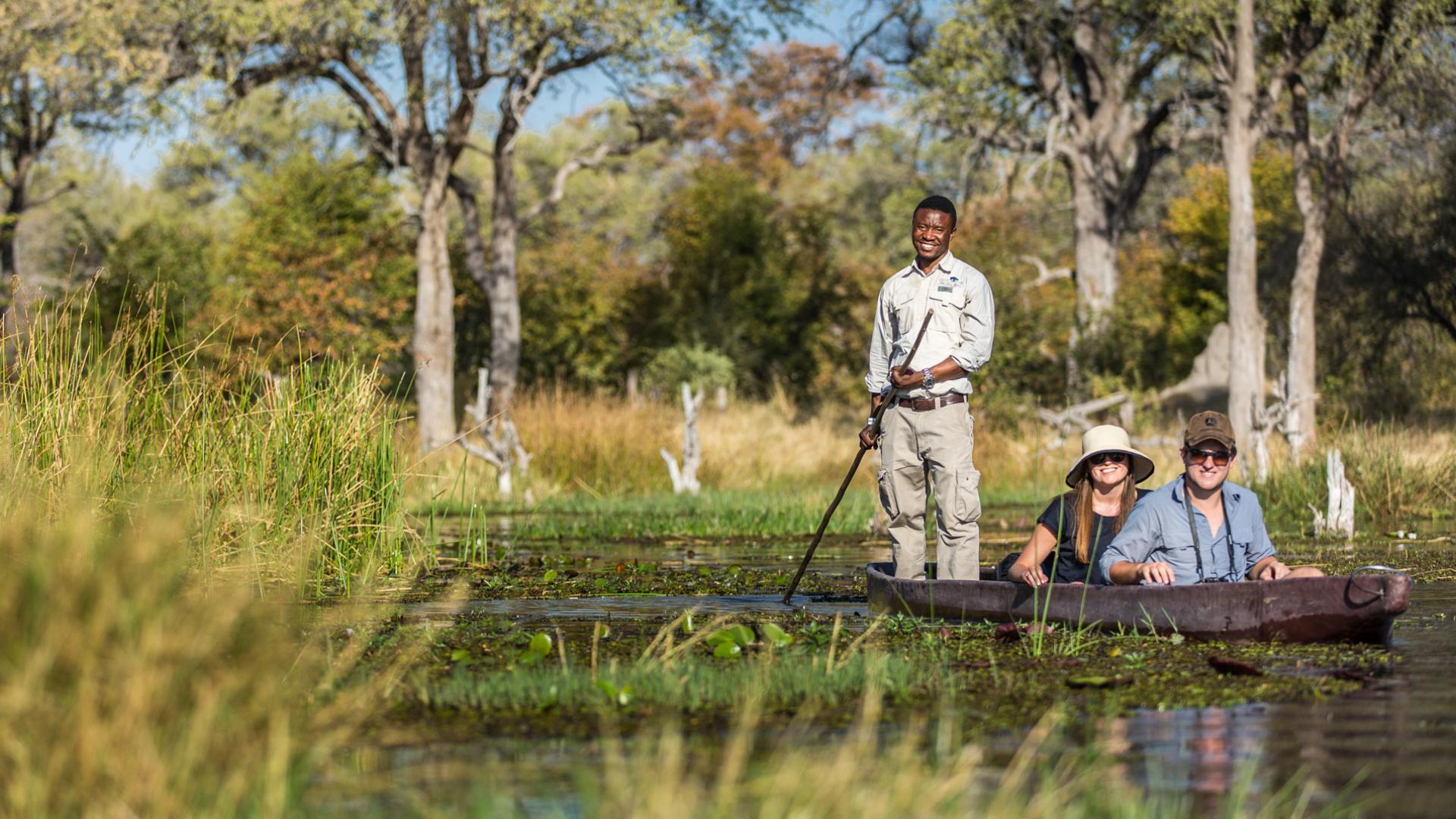
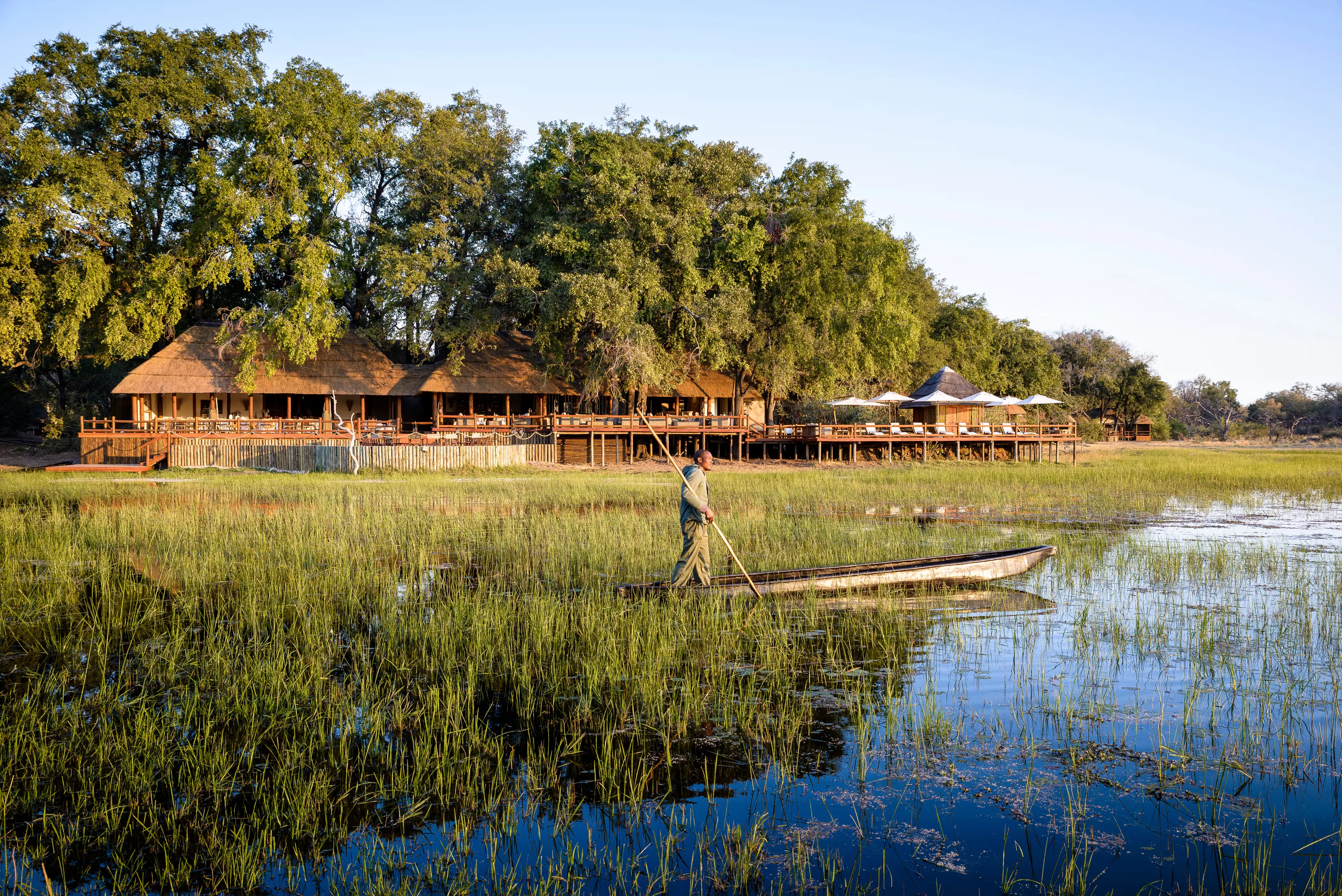
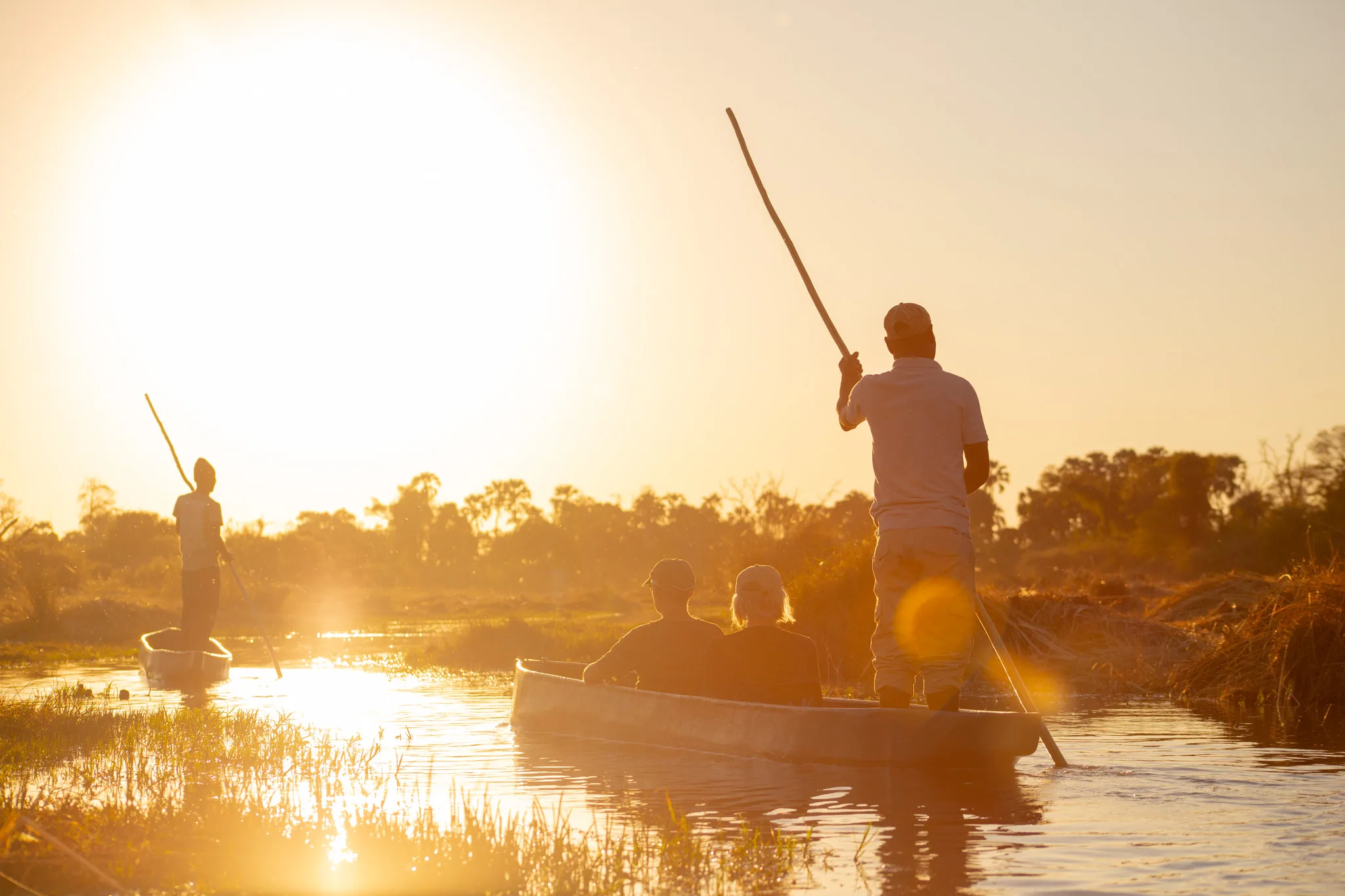
You meet your guide at the water's edge shortly after dawn, the air still cool and the papyrus backlit in amber. The mokoro is narrower than you expected — two seats, close to the waterline, stable once you settle. Your poler steps to the stern, ngashi in hand, and pushes off without a word.
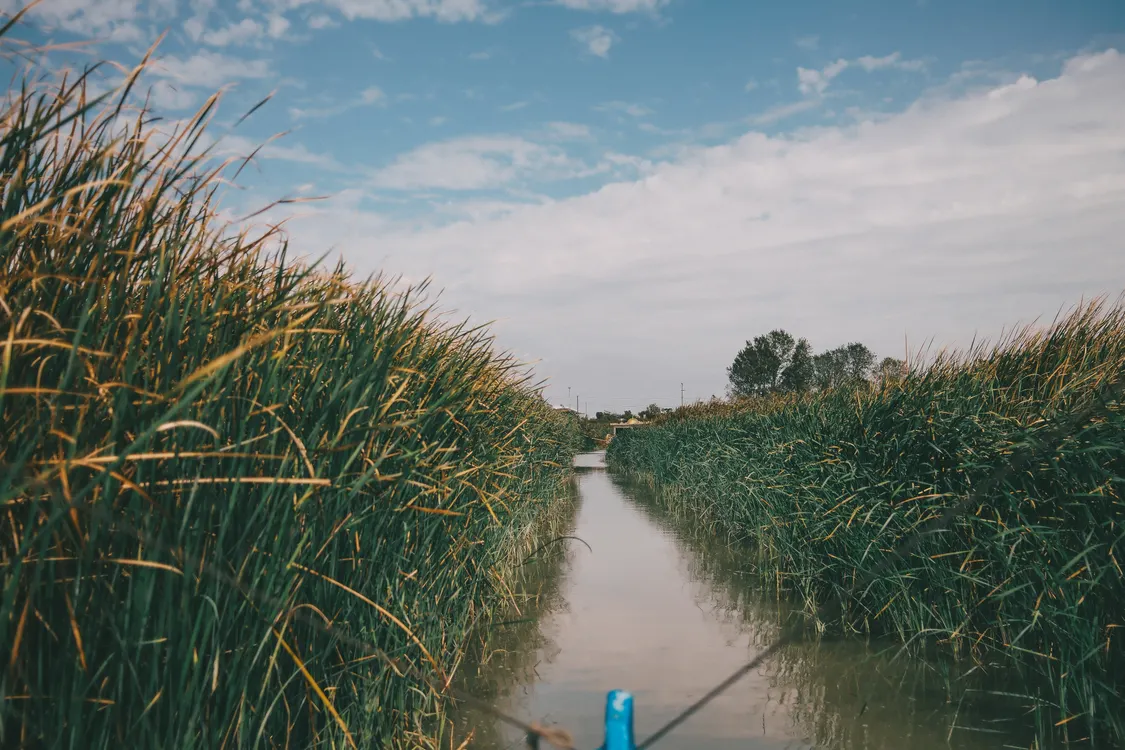
The channel ahead is glassy, bordered by walls of reeds twice your height. You hear the pole slide into mud, the quiet pull of water, then silence. A malachite kingfisher blurs past, electric blue against the green.
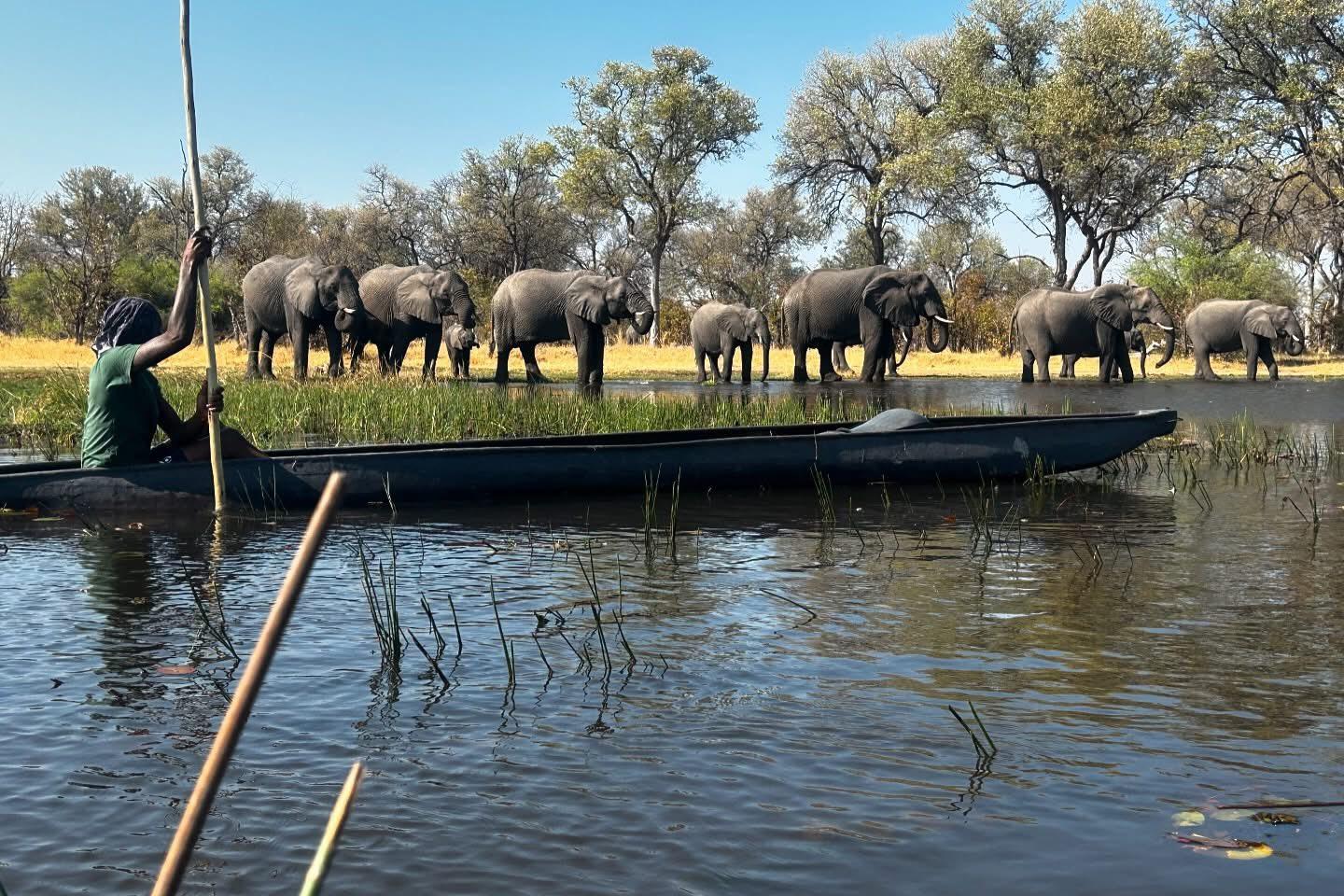
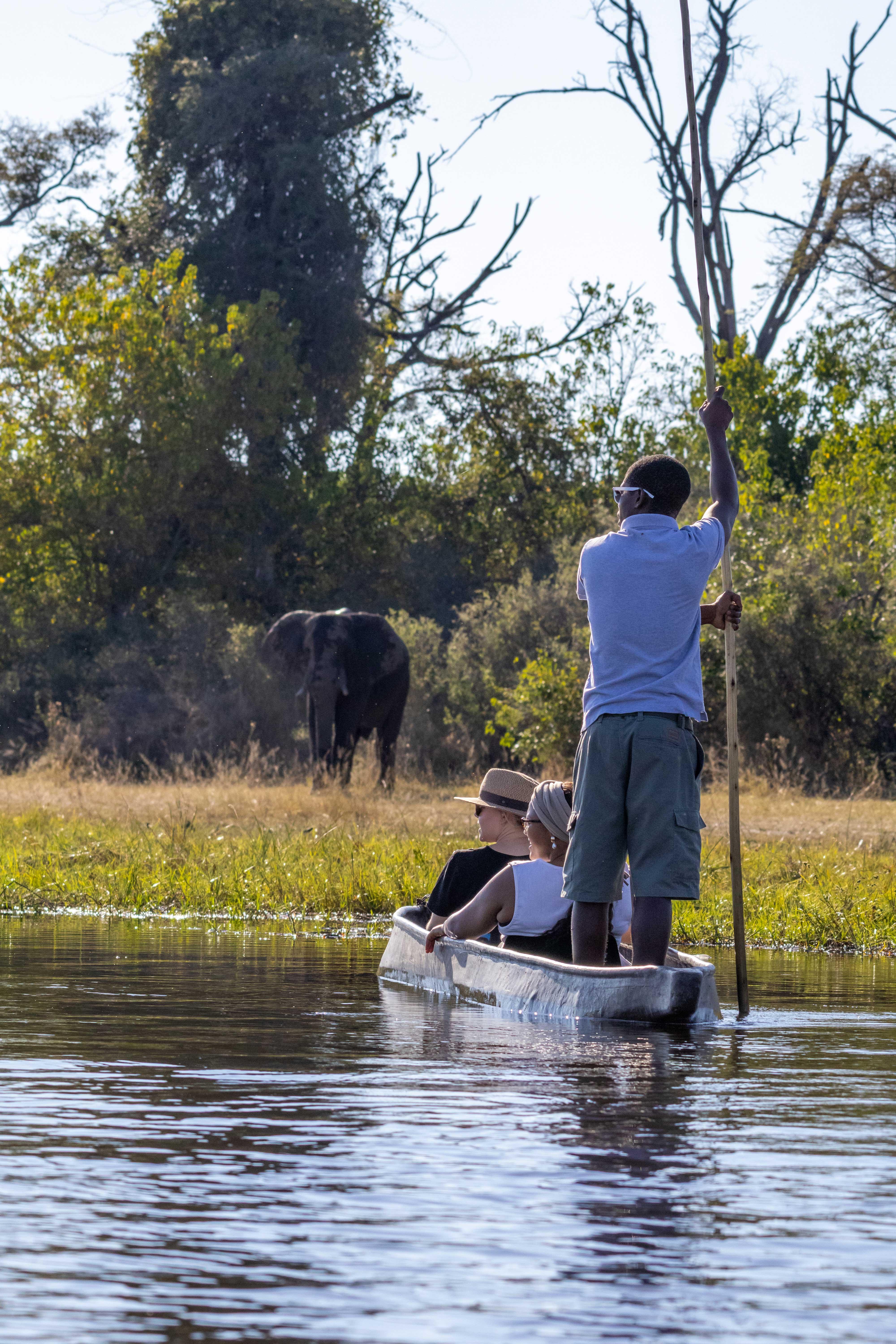
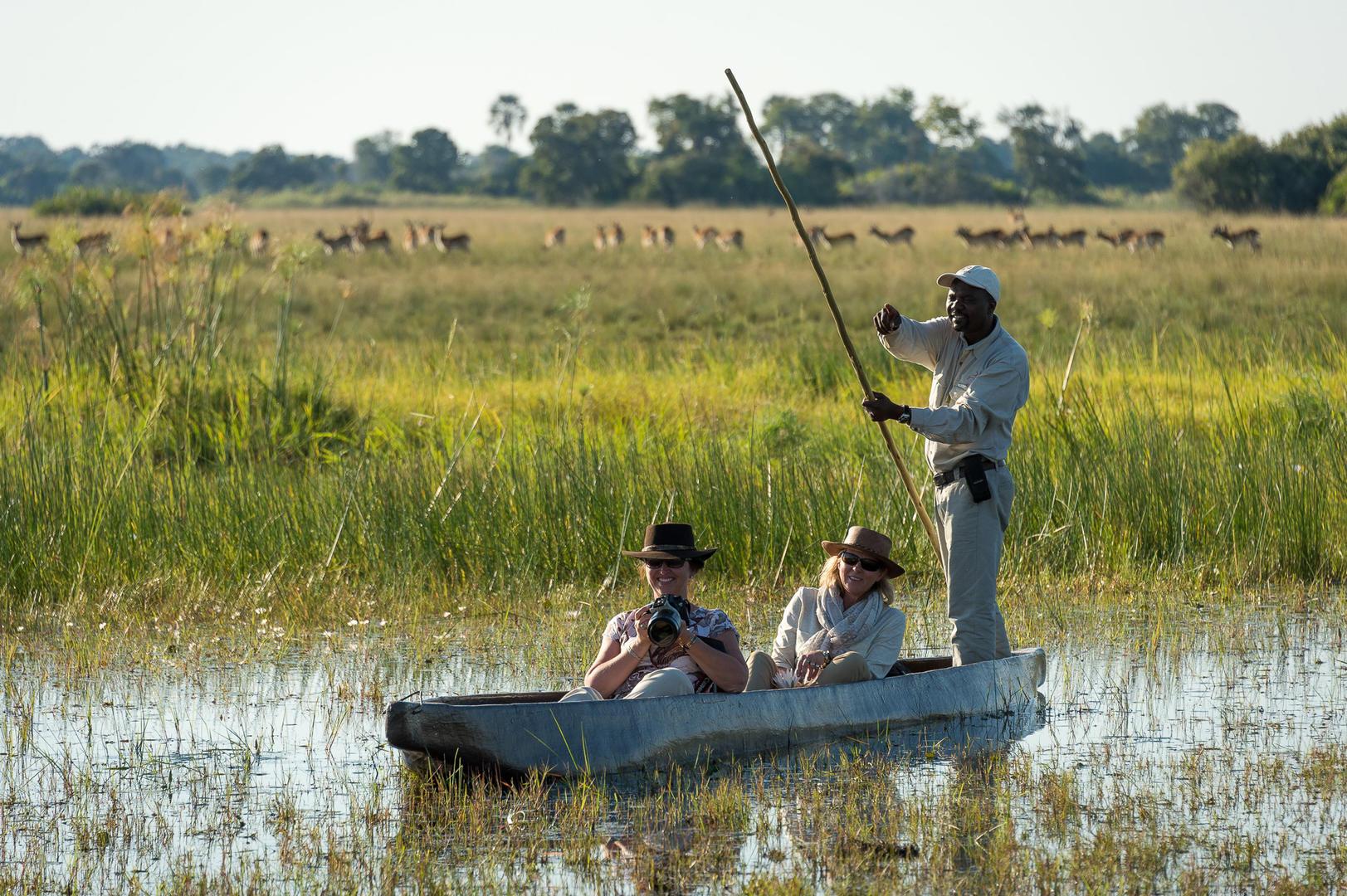
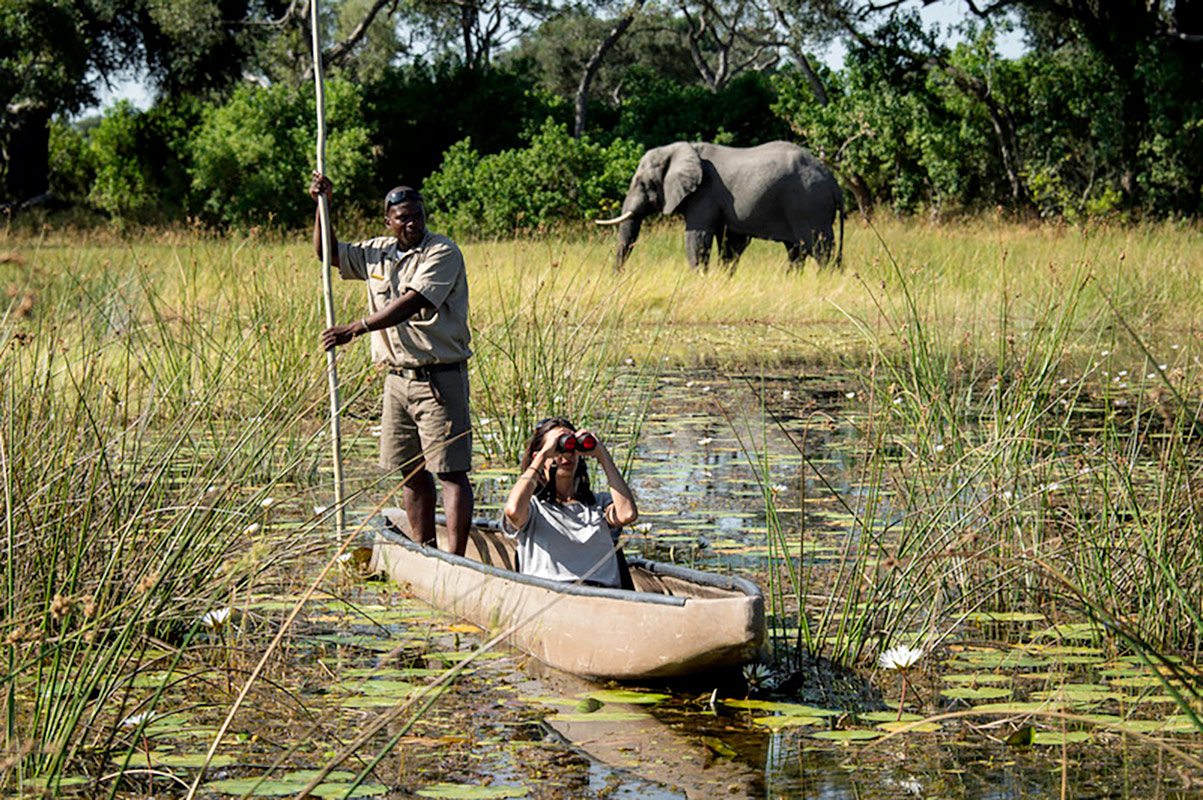
Ten minutes in, the channel widens into a lagoon. A herd of red lechwe grazes on an island to your left, their russet coats bright in the early light. Your guide pauses, lets the mokoro drift. He points to fresh elephant tracks in the shallows — a small herd crossed here an hour ago. You continue deeper, the channels narrowing again, papyrus closing overhead in places. A fish eagle calls from a dead tree.
Mid-morning, you step onto a sandy island for a walking safari. The guide, rifle slung across his shoulder, explains the tracks at your feet: lion, then hyena, then kudu. You walk single file through mopane scrub, the guide stopping twice to point out distant giraffe and a lone impala ram. An hour later, you return to the mokoro for the slow pole back, the sun higher now, the delta utterly still.
All the details about your upcoming adventure in one place
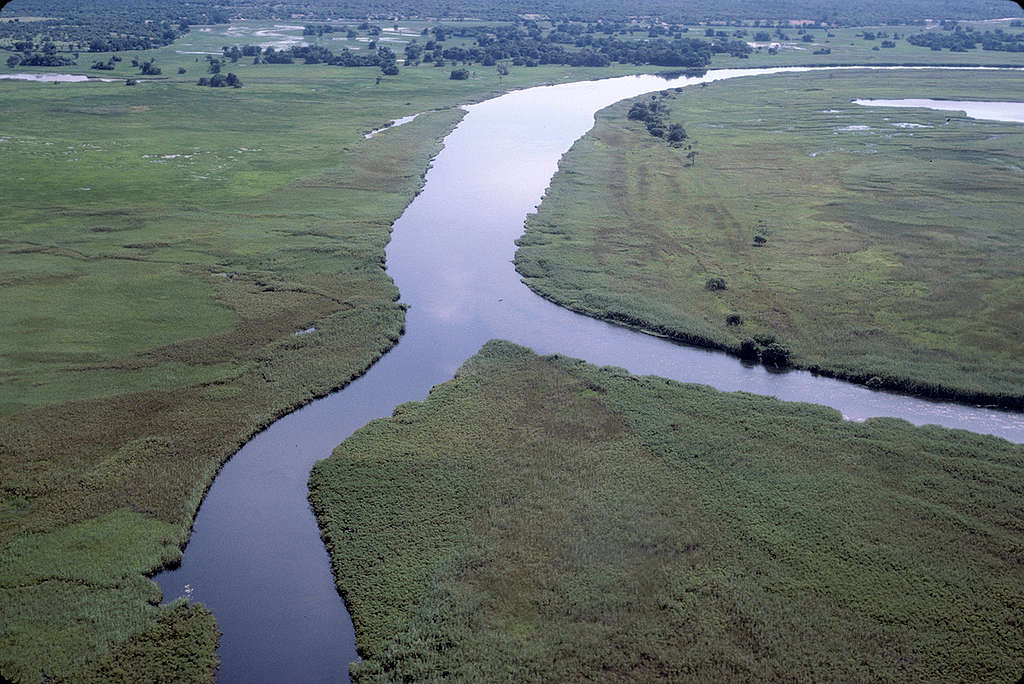
The Okavango Delta holds the distinction of being the world's largest inland delta, emptying not into an ocean but into the Kalahari Desert across 15,000 square kilometres of seasonal floodplain.
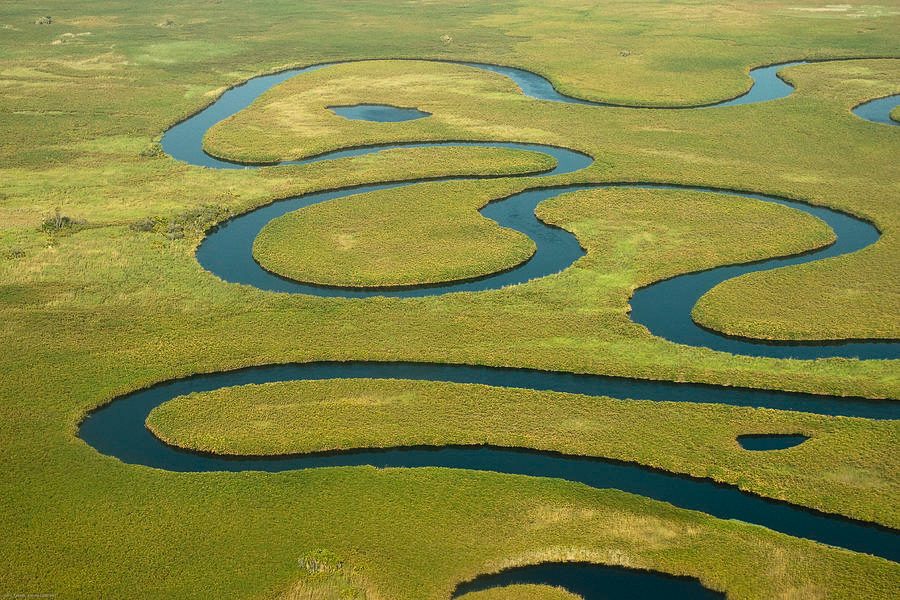
Fed by the Okavango River, which originates in Angola's highlands, the delta's annual flood arrives between May and September — paradoxically during Botswana's dry winter — transforming arid grassland into a labyrinth of channels, lagoons, and reed-fringed islands. This hydrological anomaly sustains one of Africa's densest concentrations of wildlife, from African elephants and Cape buffalo to the elusive sitatunga antelope, adapted to life in permanent wetlands. UNESCO inscribed the delta as a World Heritage Site in 2014, recognising both its ecological richness and the centuries-old relationship between the ecosystem and the communities who navigate it.
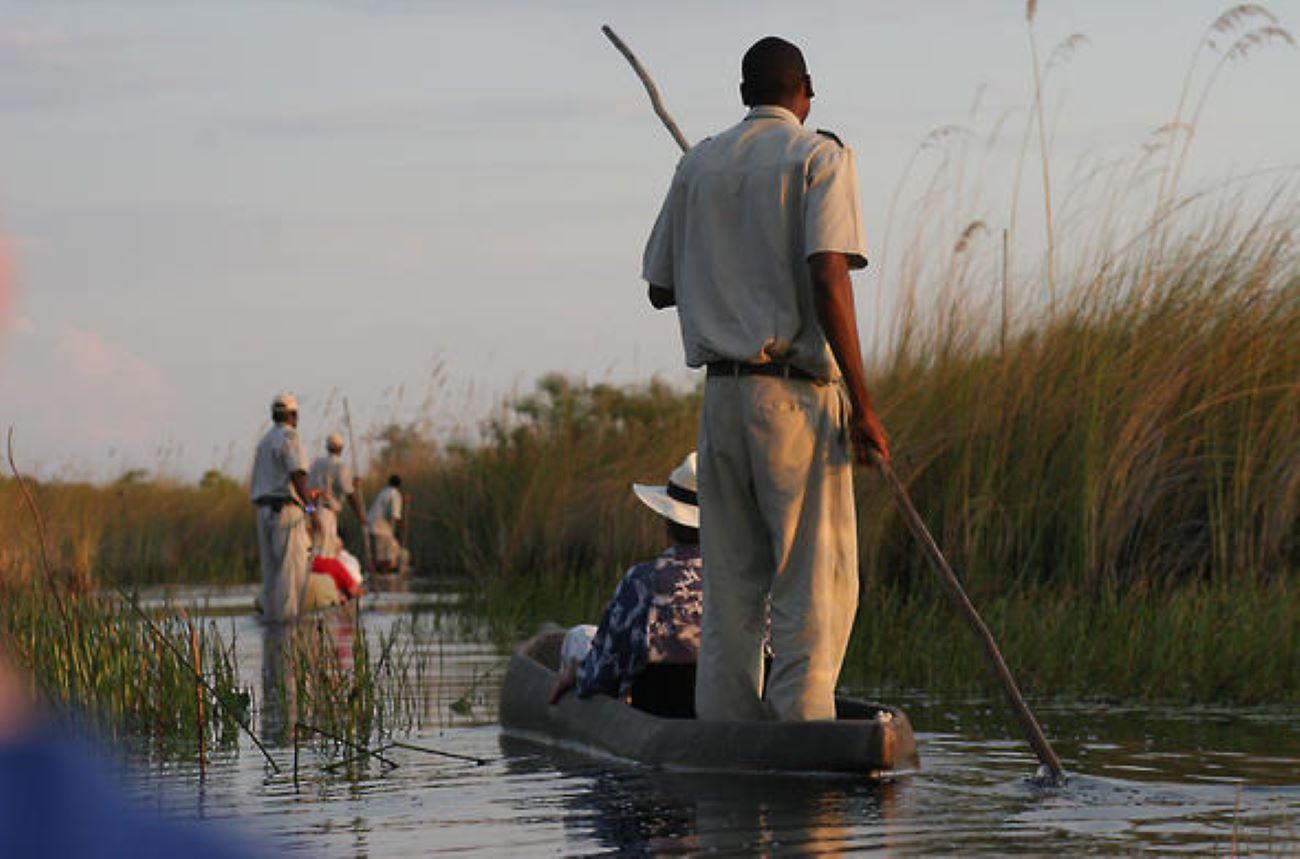
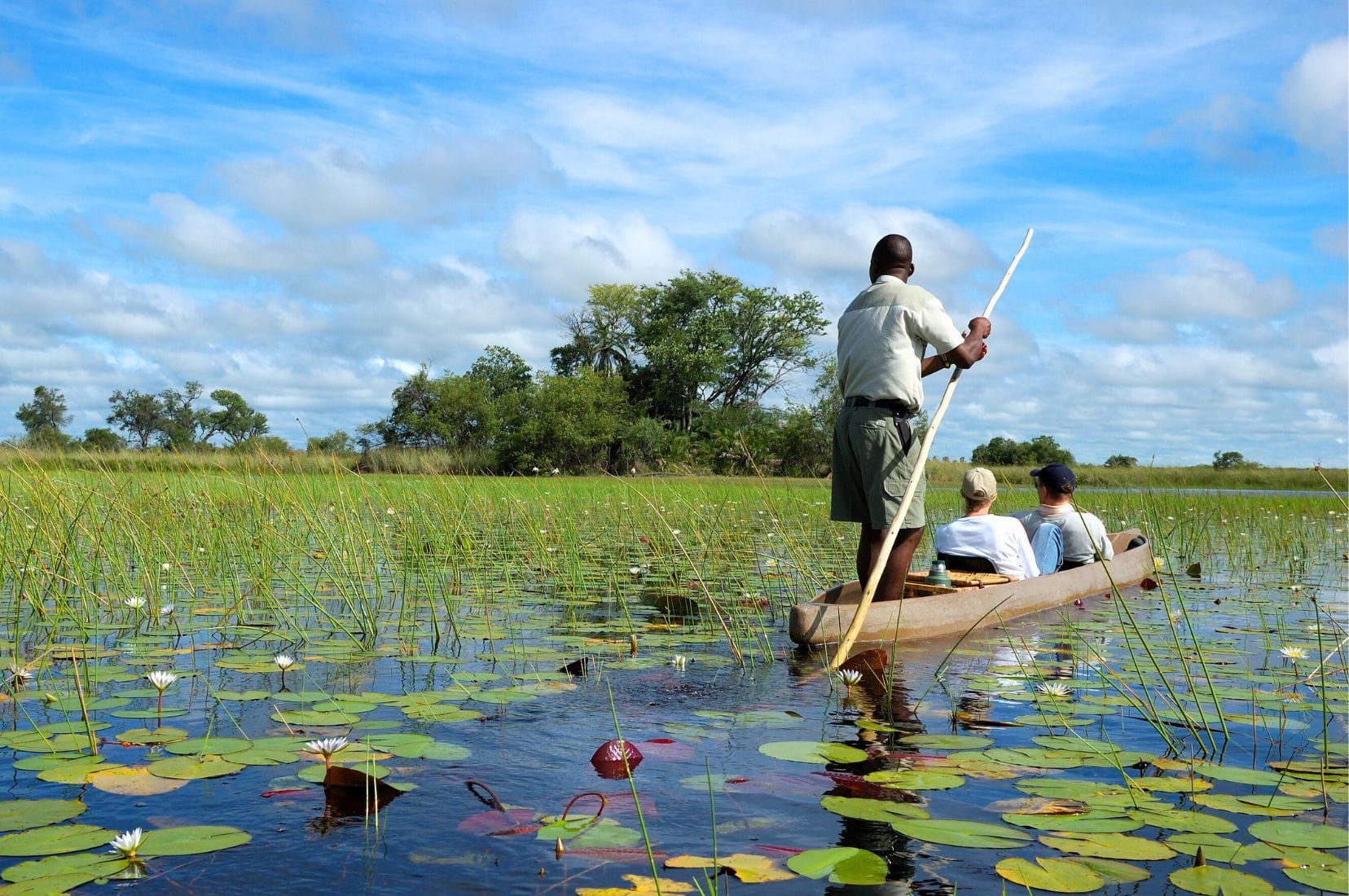
The mokoro — a traditional dugout canoe hewn from sausage trees or ebony — remains the quietest and most intimate means of entering this watery wilderness. Historically used by the BaYei and Hambukushu peoples for fishing and transport, the mokoro glides through narrow channels too shallow for motorboats, propelled by a poler standing at the stern with a ngashi, a long wooden pole. The craft's narrow profile and minimal draft allow passage through dense papyrus stands and over submerged roots, bringing visitors within metres of lechwe leaping through shallows, African fish eagles perched on dead leadwood, and crocodiles sunning on mudbanks. Modern mokoro expeditions blend this low-impact approach with guided island walks, where tracks in the sand reveal the nocturnal movements of lions, leopards, and hyenas.
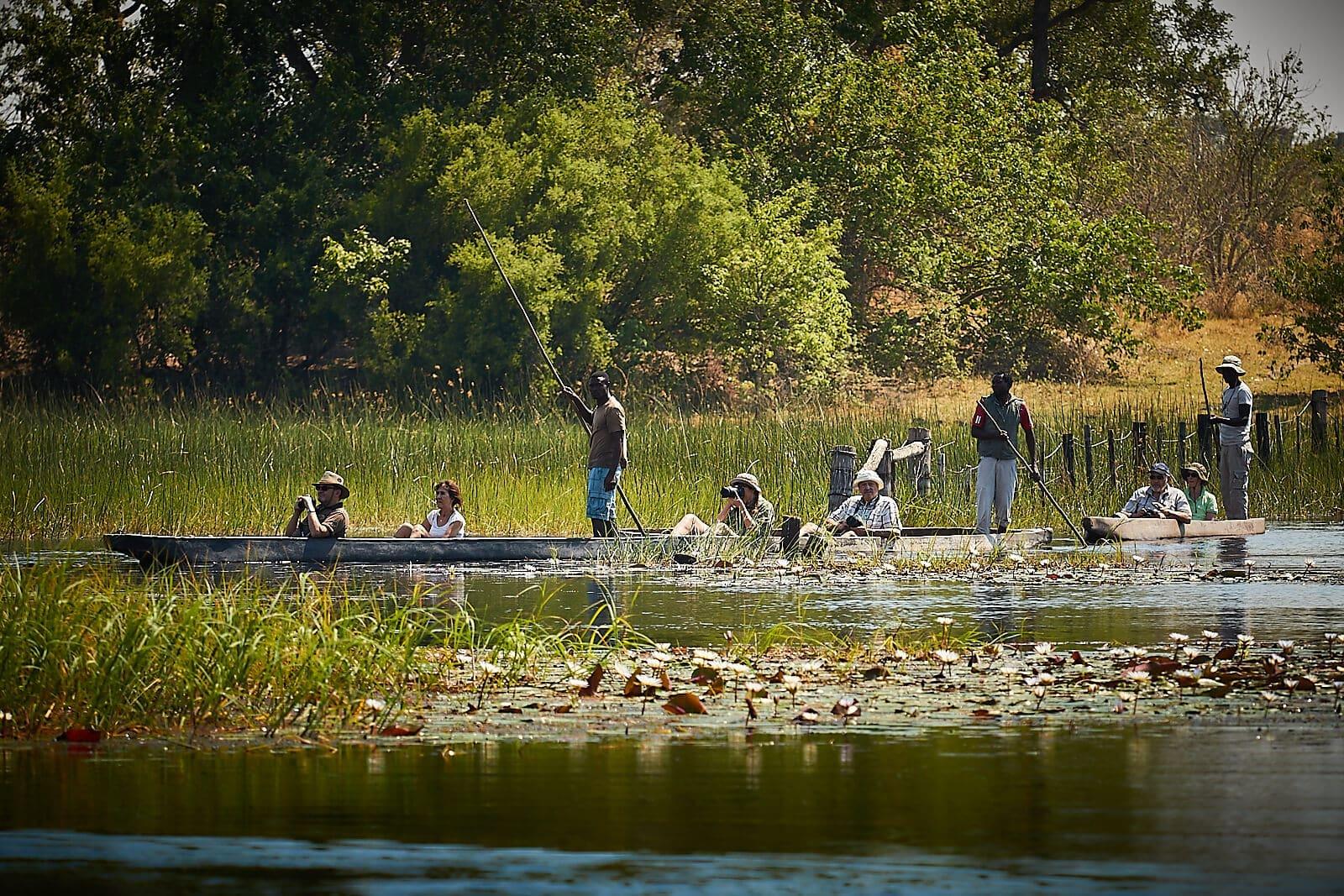
Day trips typically depart from Maun, the delta's gateway town, and transfer visitors to community-run concessions such as Boro or Santantadibe. Each mokoro accommodates two passengers and a poler, often a third-generation guide whose knowledge of seasonal routes, bird calls, and animal behaviour transforms the journey into a layered ecological narrative. The silence is structural: no engine noise, no wake, only the soft plash of the pole and the rustle of reeds. Islands offer walking safaris led by armed guides certified by Botswana's Department of Wildlife and National Parks, with briefings on safe distances and emergency protocols. The delta's remoteness — much of it accessible only by light aircraft or water — ensures that even popular day-trip zones remain lightly visited compared to terrestrial game reserves, preserving the encounter's meditative quality.
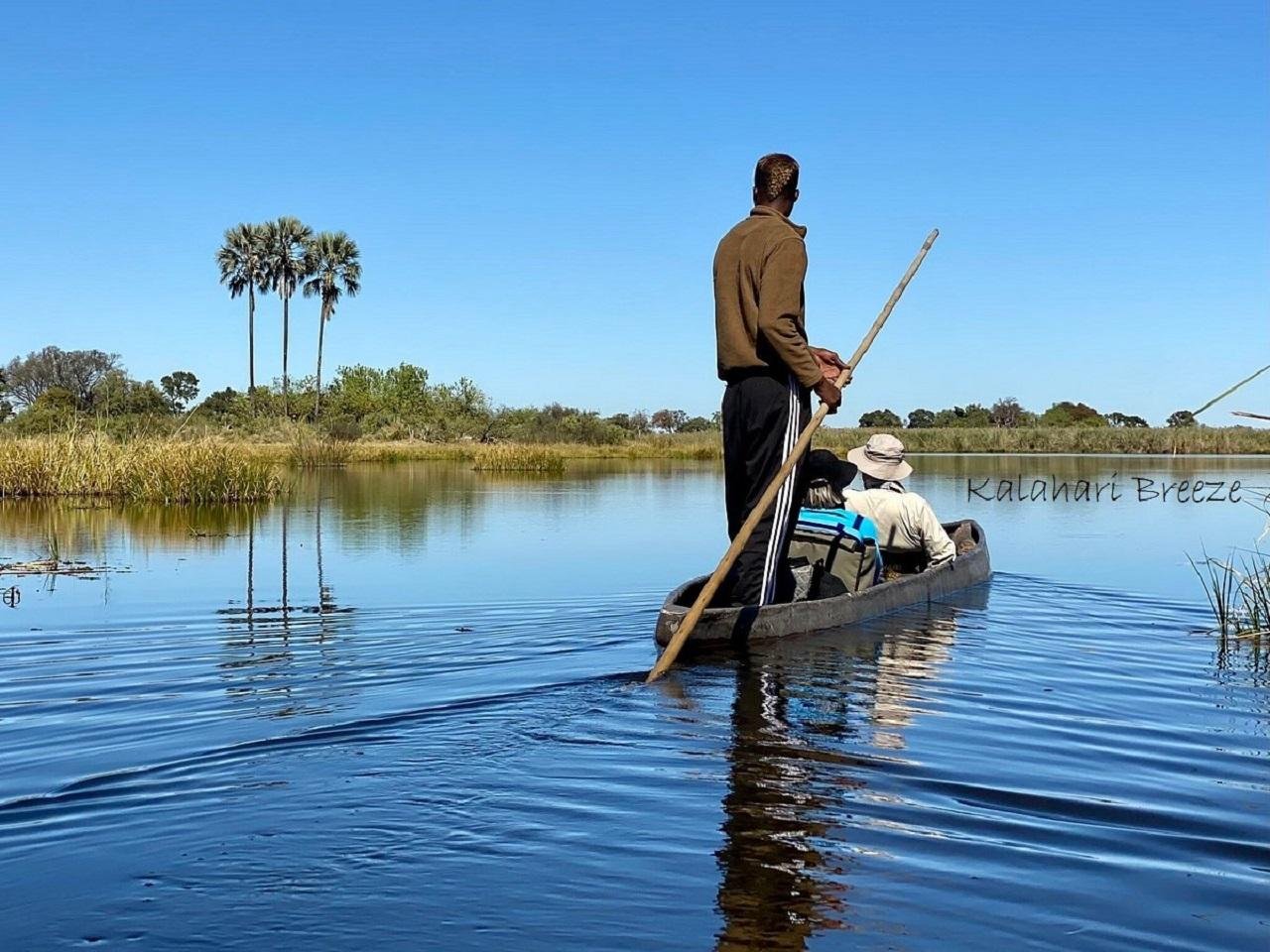
The mokoro glides through channels too shallow for motorboats, bringing visitors within metres of wildlife in absolute silence.
Wear neutral-colored, lightweight clothing to blend into the environment and avoid attracting biting insects. A wide-brimmed hat and sturdy footwear are essential for an okavango delta mokoro day trip.
Keep all belongings in a secure, water-resistant bag to protect them from potential splashes. Avoid large suitcases, as space inside the traditional dugout canoe is limited.
Use a dry bag to protect camera gear from water and dust during your okavango delta mokoro day trip. Respect wildlife by keeping a distance and avoiding loud noises that may disturb natural behaviors.
The okavango delta mokoro day trip is generally suitable for older children who can sit still for extended periods. Check age restrictions with individual tour providers to ensure safety compliance.
The okavango delta mokoro day trip requires moderate physical ability to board and disembark from the low-sitting vessel. Guests should confirm specific mobility needs with the tour operator before booking.
Bring plenty of drinking water to stay hydrated during your okavango delta mokoro day trip. Most excursions provide a picnic lunch, but verify this when purchasing your okavango delta mokoro day trip tickets.
Opening Hours
00:00–23:59
Address
Okavango Delta, Maun, Botswana
Accessibility
Varies by concession; contact operator
Best arrival
06:00–09:00
Navigation
Local guide required
Car · 1–3 hours · Vehicle rental fees vary
Most visitors drive 4x4 vehicles from Maun to reach the mokoro stations.
Full refunds are typically available for cancellations made within operator-defined windows, usually 7 to 30 days prior. Park and concession fees are included in tours and remain subject to regulatory terms.
Recommended time
Full day
Planning an okavango delta mokoro day trip requires allocating a full day to navigate the winding channels of the Okavango Delta, Maun, Botswana. Arriving within the 06:00–09:00 window is essential to enjoy cooler temperatures and see wildlife before the heat intensifies. While these okavango delta mokoro day trip tours occupy the entire day, the serenity of the water lilies and reed beds justifies the time commitment. Most okavango delta mokoro day trip tickets include all necessary logistics, ensuring a smooth experience away from the crowds found at mainstream tourist hubs.
Crowd levels through the day
Weather · crowds · average price — dots go green to amber to red as each metric rises.
The flood waters reach the Delta, providing optimal water levels for navigation.
Listen to your guide as they have deep local knowledge of navigation.
The mokoro, a dugout canoe poled through shallow channels, served as the primary transport for the Bayei and Hambukushu peoples who settled the Okavango Delta's permanent waterways in the eighteenth century. Carved from single ebony or sausage-tree trunks, these vessels allowed communities to navigate the seasonal flood that pulses from Angola each austral winter, reaching peak inundation between June and August. By the 1960s, safari operators recognized that the silent glide of a mokoro offered tourists unrivaled proximity to hippos, elephants, and sitatunga antelope without the noise of motors, and the first commercial okavango delta mokoro day trip tours launched from Maun's island camps. Early guides poled guests into the papyrus-lined channels of Moremi Game Reserve, where the shallow draft permitted access to areas inaccessible by motorboat. In 1996, Botswana's Department of Wildlife declared fiberglass mokoros mandatory in protected concessions to halt the harvest of slow-growing hardwoods. The transition faced resistance from polers who argued synthetic hulls lacked the balance and soul of timber, yet the policy succeeded in preserving delta forests while maintaining the tradition's economic role. By 2010, community trusts in villages such as Seronga and Etsha began training young Bayei men as licensed guides, embedding ecological knowledge into okavango delta mokoro day trip tickets sold through lodges and mobile operators. The rise of lightweight fiberglass also enabled day excursions departing Maun at dawn, with guests poled two to three hours into floodplains, then returned by midday. Today the mokoro remains the delta's signature experience, its design unchanged in silhouette but its material adapted to conservation imperatives. Polers navigate by reading lily density, hippo trails, and the height of the flood, skills passed down through families now earning income from international bookings. The silent passage through papyrus stands, where only the drip of the pole and the call of fish eagles break the stillness, survives as both cultural practice and economic engine for communities whose ancestors first carved these vessels three centuries ago.
Bayei and Hambukushu peoples settle the Okavango Delta, carving mokoros from ebony and sausage-tree trunks to navigate seasonal floods.
Safari operators in Maun begin offering commercial mokoro excursions, guiding tourists into Moremi Game Reserve's papyrus channels.
Botswana mandates fiberglass mokoros in protected concessions to end hardwood harvesting and preserve delta forests.
Community trusts train Bayei guides and integrate okavango delta mokoro day trip tours into lodge and mobile booking platforms.
Lightweight fiberglass mokoros enable dawn-departure day trips from Maun, blending ancestral navigation skills with modern conservation policy.
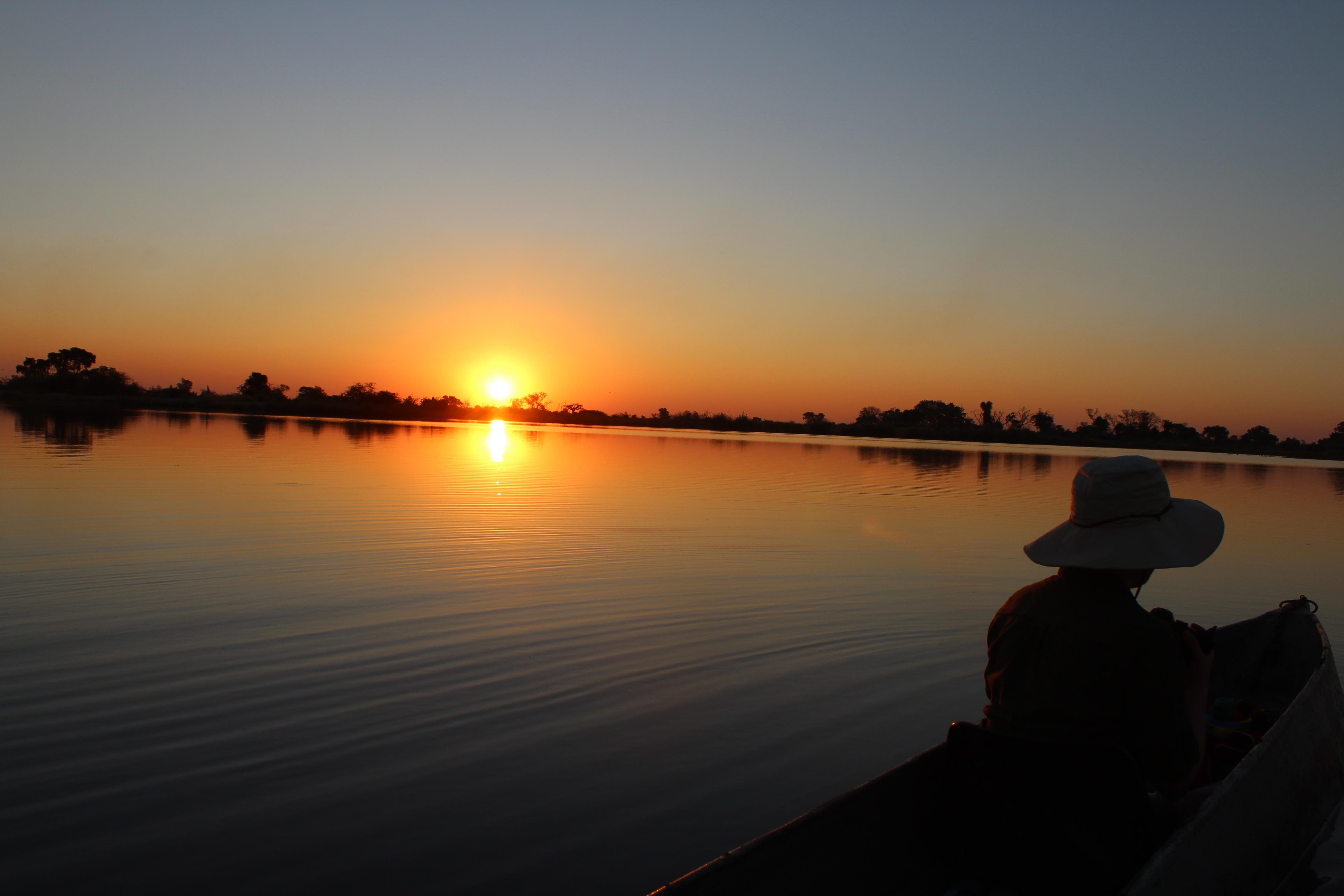
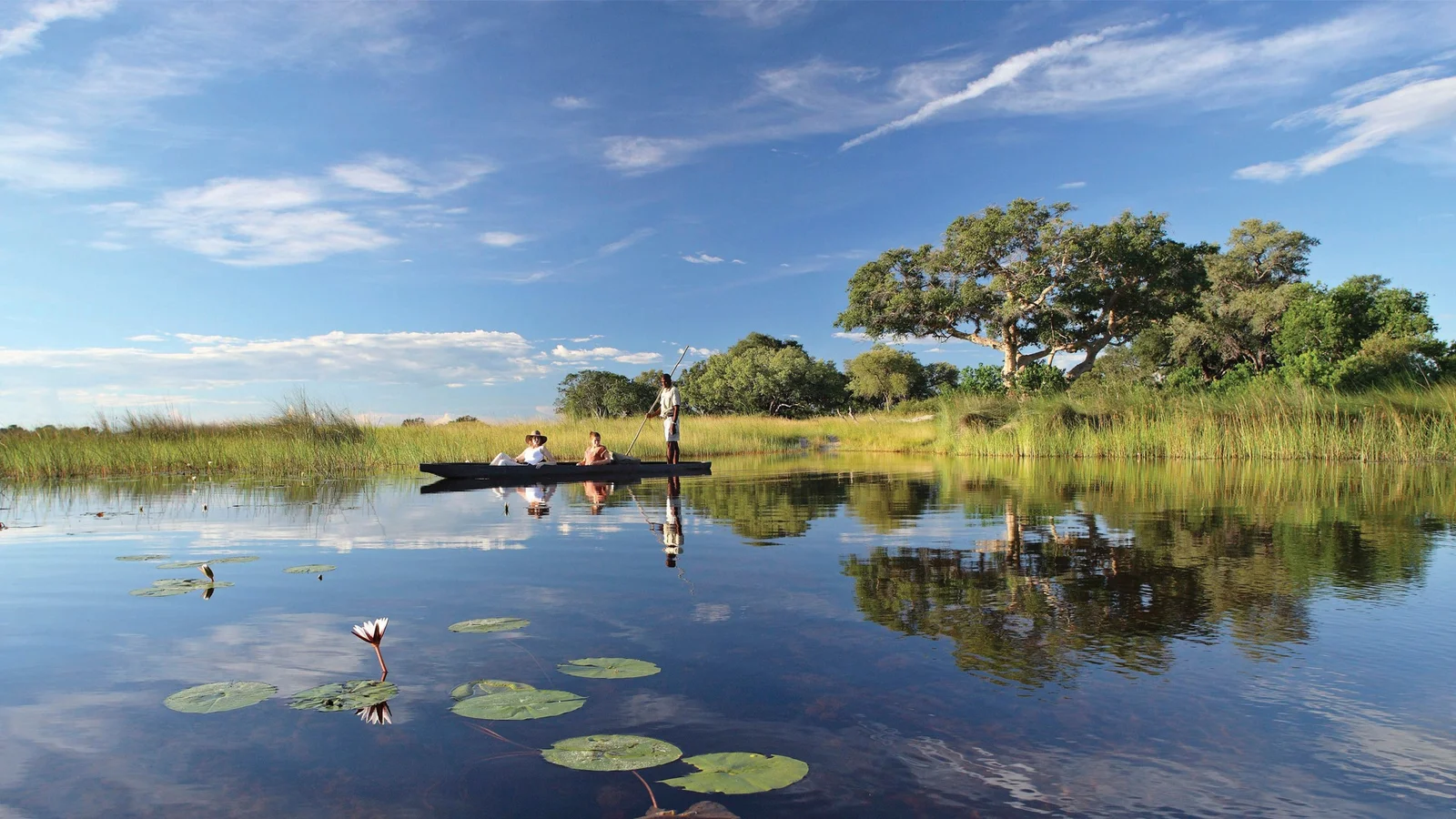
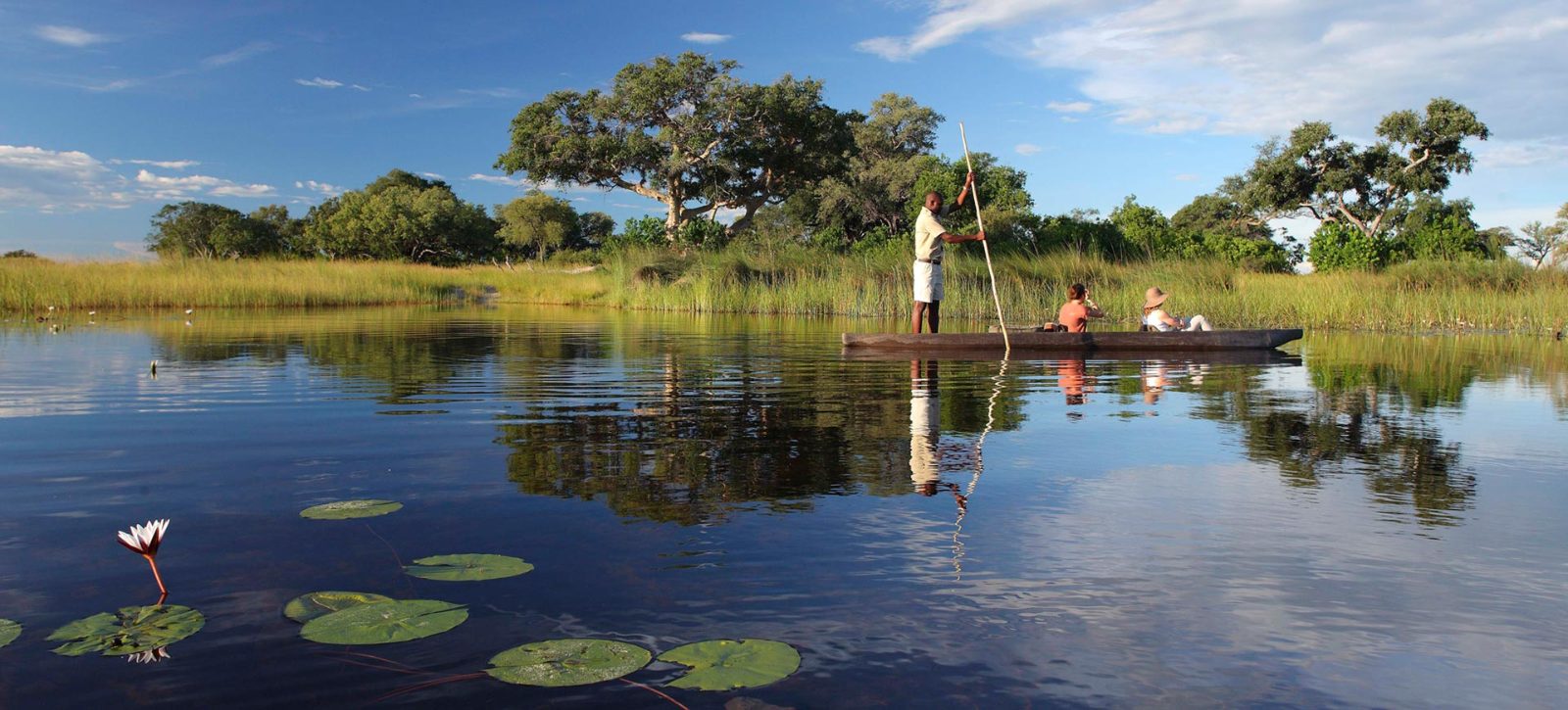
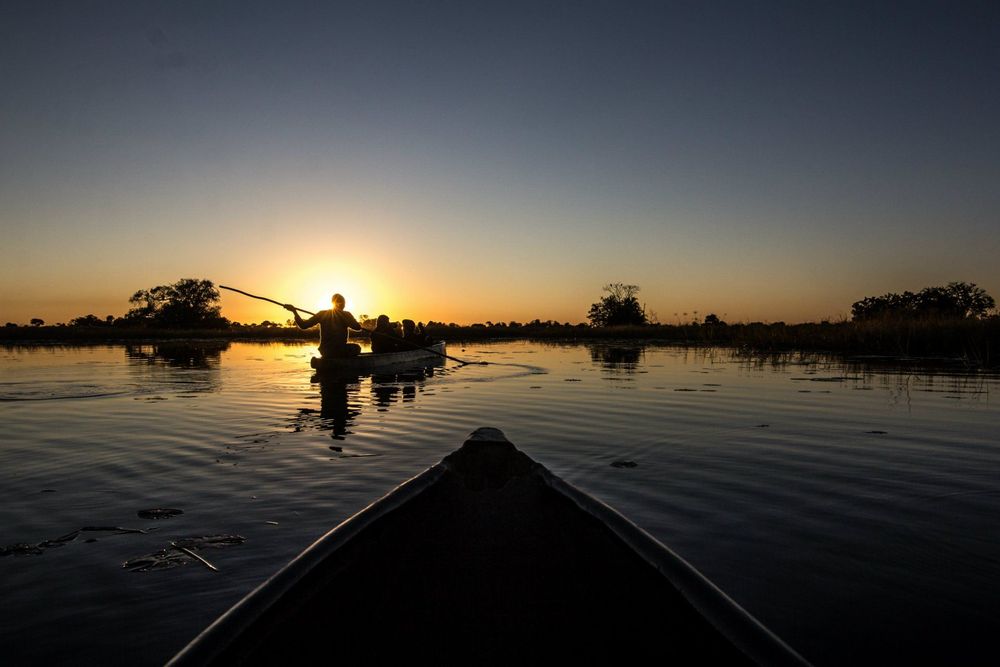
Stand at the front of the mokoro to capture the reflection of papyrus reeds on the water surface as you glide through the Okavango Delta mokoro day trip route.
Position your camera low near the water level to photograph wading birds and lechwe against the backdrop of the expansive savanna during your okavango delta mokoro day trip tours.
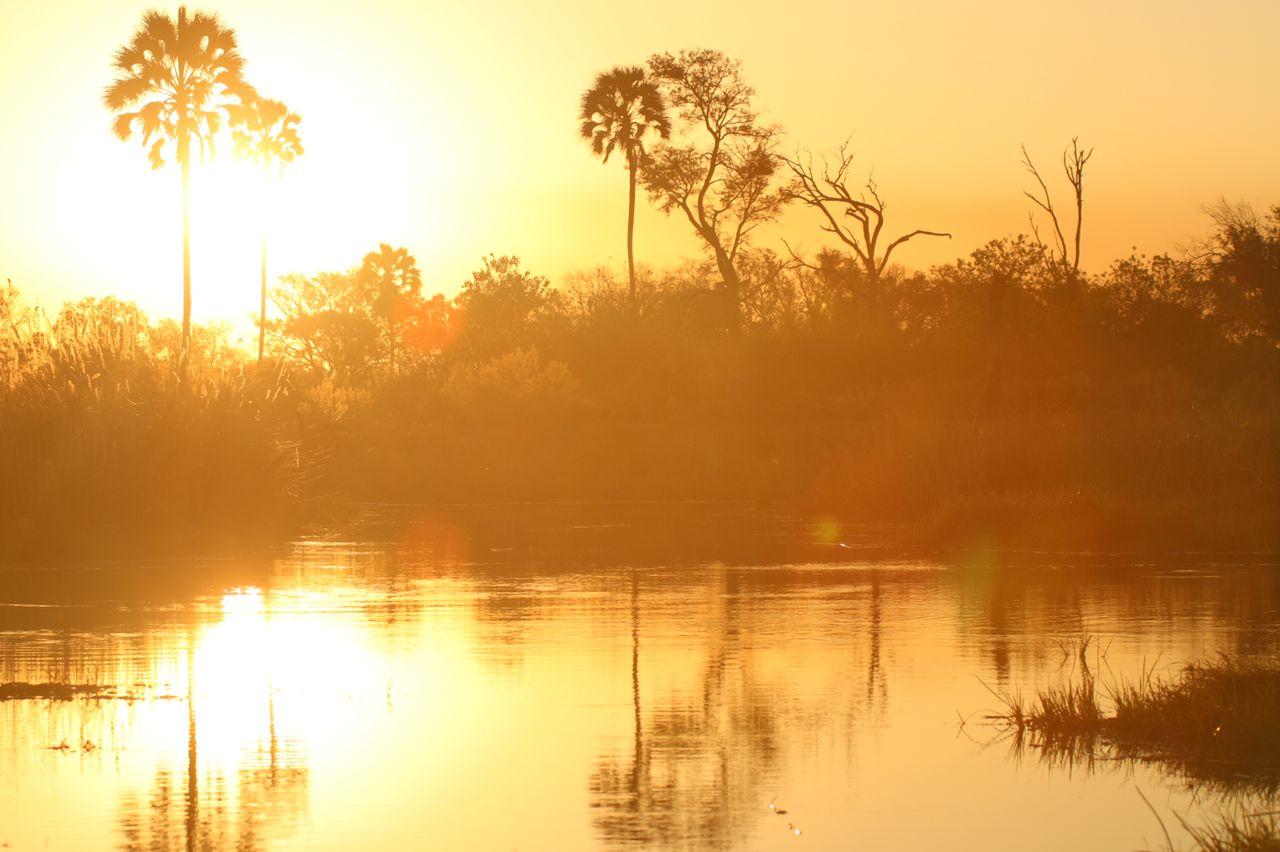
Focus on the contrast between the tall palm trees and the clear water, which is a signature element for those seeking okavango delta mokoro day trip tickets.
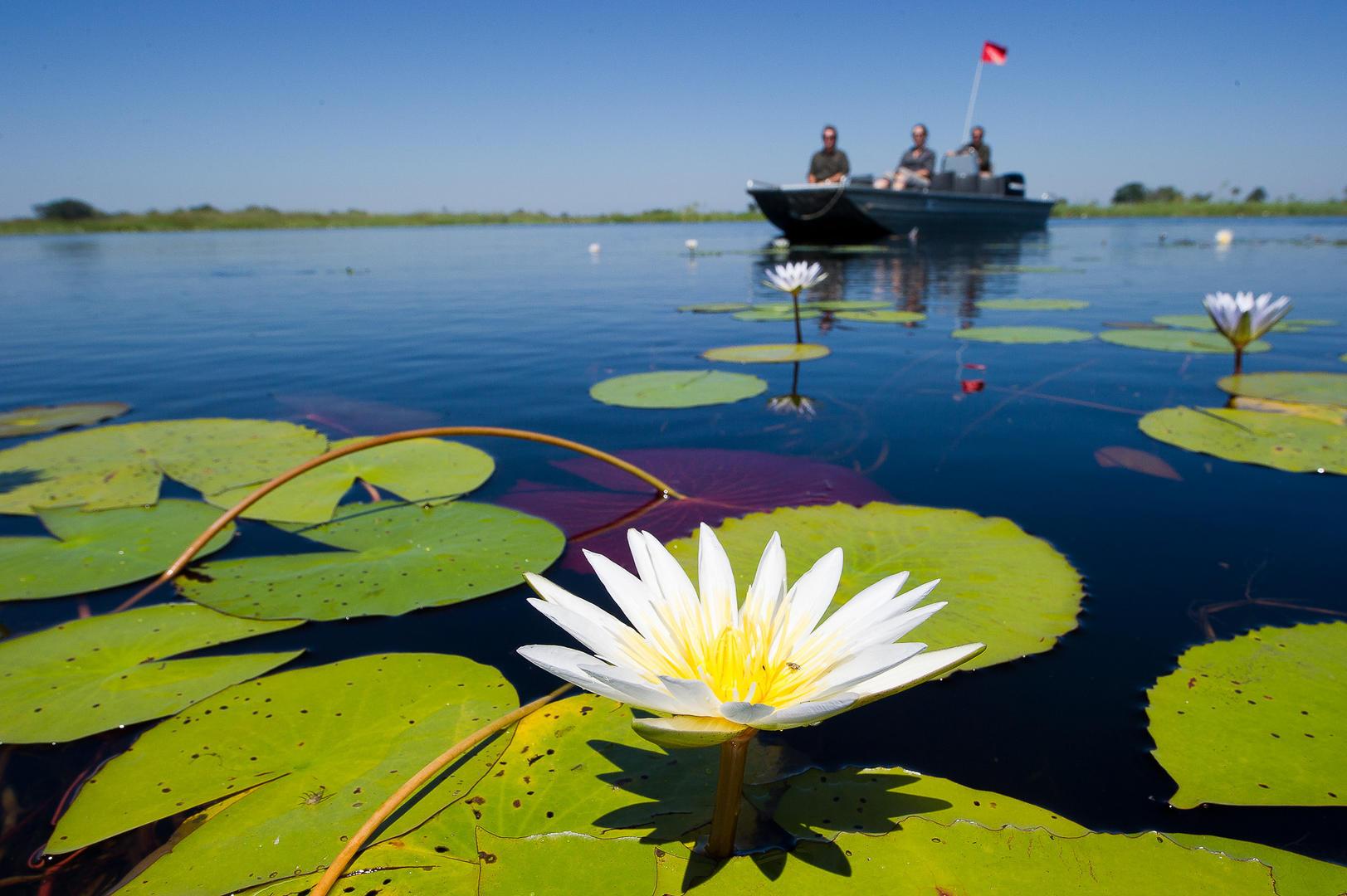
Capture the intricate patterns of lily pads and vibrant water flowers from the stable vantage point of your canoe on this okavango delta mokoro day trip tour.
Planning an okavango delta mokoro day trip with children requires careful preparation for long periods of quiet sitting in a traditional dugout canoe. Navigating these waterways offers a unique perspective on the wetland ecosystem for older children and teenagers.
Most operators strictly enforce a minimum age, often starting at 12 years old, due to the need for participants to remain seated and still for safety. Check directly with your chosen okavango delta mokoro day trip tours provider regarding their specific policy for your younger travelers.
Because you will be in a narrow vessel, bring cushions or small blankets to provide extra comfort during your transit through the shallow channels. This is essential for maintaining patience throughout your okavango delta mokoro day trip ticket duration.
Ensure children understand the importance of keeping hands and feet inside the boat at all times to avoid potential hazards from hippos or crocodiles. Instructing kids on silence is also vital to ensure successful wildlife viewing during your okavango delta mokoro day trip tour.
There are no formal restroom facilities on the water, so plan accordingly and carry portable waste bags to maintain the cleanliness of the Okavango Delta, Maun, Botswana environment. Pack plenty of water, hats, and high-SPF sunscreen, as the shade in a traditional canoe is limited during your excursion.
Dining options near an okavango delta mokoro day trip are extremely limited due to the remote wilderness setting. Most travelers planning an okavango delta mokoro day trip tours package opt to bring packed meals, as on-site eateries are nonexistent in the deep floodplains.
Located in Maun near the gateway to the delta, this venue serves hearty breakfasts and lunches perfect before your okavango delta mokoro day trip tickets are validated. It offers river views and is a popular spot for groups heading out on an okavango delta mokoro day trip tour.
Everything you need to know for your journey
The entrance fee is 0 USD, as park and concession fees are included in the price of your tour.
The excursion operates daily from 00:00–23:59.
Age limits depend on the operator; please check with your provider when booking your okavango delta mokoro day trip.
You can purchase okavango delta mokoro day trip tickets directly through certified tour operators in Maun.
Yes, the okavango delta mokoro day trip is safe when you follow the guidance of your experienced local poler.
Yes, you should bring snacks and water, though lunch is usually included in an okavango delta mokoro day trip.
The best arrival window is 06:00–09:00 to avoid the midday heat and see active wildlife.
Book your okavango delta mokoro day trip tour via reputable local agencies or your accommodation in Maun.
Yes, photography is encouraged on an okavango delta mokoro day trip provided you use a protective, waterproof bag.
A protected area adjacent to the delta known for diverse wildlife habitats.
Various lodges located in the gateway town for easy access.
Join thousands of happy travelers who have discovered this incredible experience
Book Your Experience Now