24 hr
Full-Day Mokoro Canoe & Walking Safari in Okavango Delta
- Expert local guide
- Small group
- Skip-the-line access
- Free cancellation
Mokoro Safari Okavango Delta — Canoe Trails & Island Walks
Poled through papyrus channels, where the water speaks in ripples
Compare fares, pick the fit — all bookings are mobile-voucher and eligible for free cancellation where shown.
24 hr
24 hr
24 hr
Selecting the right mokoro safari okavango delta experience depends on your preference for day-trip tranquility versus immersive overnight expeditions. These traditional water-based excursions offer unique insights into the delta's pristine wetlands, guided by local experts in an iconic dugout canoe.
| Day Trip Fixed Duration |
Top pick Overnight Expedition Multi-Day Access |
|
|---|---|---|
| Duration | 8 Hours | 2 to 3 Days |
| Access Method | Guided Poling | Guided Poling and Island Walking |
| Included Areas | Select Waterways | Delta Channels and Island Camps |
| Accommodation | — | Included Camping |
| Best for | First-time visitors | Immersive nature enthusiasts |
| See tickets & prices |
Verdict: Choose the day tour for a quick introduction to mokoro safari okavango delta tours, or book the overnight expedition for a deeper connection with the wilderness.
Worth it for wildlife enthusiasts seeking authenticity
A mokoro safari okavango delta experience delivers something no vehicle can replicate: silent passage through papyrus-lined channels at water level, where you drift past elephants drinking and hippos submerged mere meters away. The 270 BWP daily park fee at Moremi Game Reserve covers access to pristine floodplains, but the real cost lies in specialized poling guides and multi-day logistics that push most itineraries beyond casual budgets. Full-day mokoro canoe and walking safari combinations pair traditional dugout transit with island game tracking, creating a layered encounter with delta ecosystems that motorboat shortcuts miss entirely. The value proposition hinges on what you prioritize: if you want predator density and guaranteed sightings, vehicle-based reserves deliver more efficiently. But for travelers who measure worth in cultural immersion and sensory detail—the sound of a poler's rhythm, the scent of water lilies, the tactile connection to centuries-old Bayei navigation—few African experiences justify their cost more convincingly. Delta channels reward patience over speed, and mokoro safari okavango delta tours are designed for exactly that trade-off.
Bottom line: If you value immersion over checklist efficiency, the mokoro safari okavango delta tickets justify every pula spent.
They complement each other; most visitors who do both call the game drive the more thrilling way to spot big game while the mokoro safari okavango delta tour offers unmatched serenity.
|
Top pick Mokoro Safari |
Game Drive | |
|---|---|---|
| Primary Experience | Water-based gliding | Land-based 4x4 tracking |
| Wildlife focus | Birds and small flora | Big Five and predators |
| Soundscape | Silent and natural | Vehicle engine hum |
| Physical Exertion | Low (seated) | Minimal (bumping),,Intensity |
| Daily Entry Fee | 270 BWP (foreign adult) | 270 BWP (foreign adult) |
| Best Season | Flood season (high water) | Dry season (open plains) |
| Suitability | Nature and photography | Big game enthusiasts |
| See tickets & prices |
Verdict: Choose a game drive for high-octane predator sightings, or book mokoro safari okavango delta tickets to experience the quiet, intimate rhythms of the wetlands.
Hand-picked experiences loved by thousands of travelers
8 hours
Free Cancellation
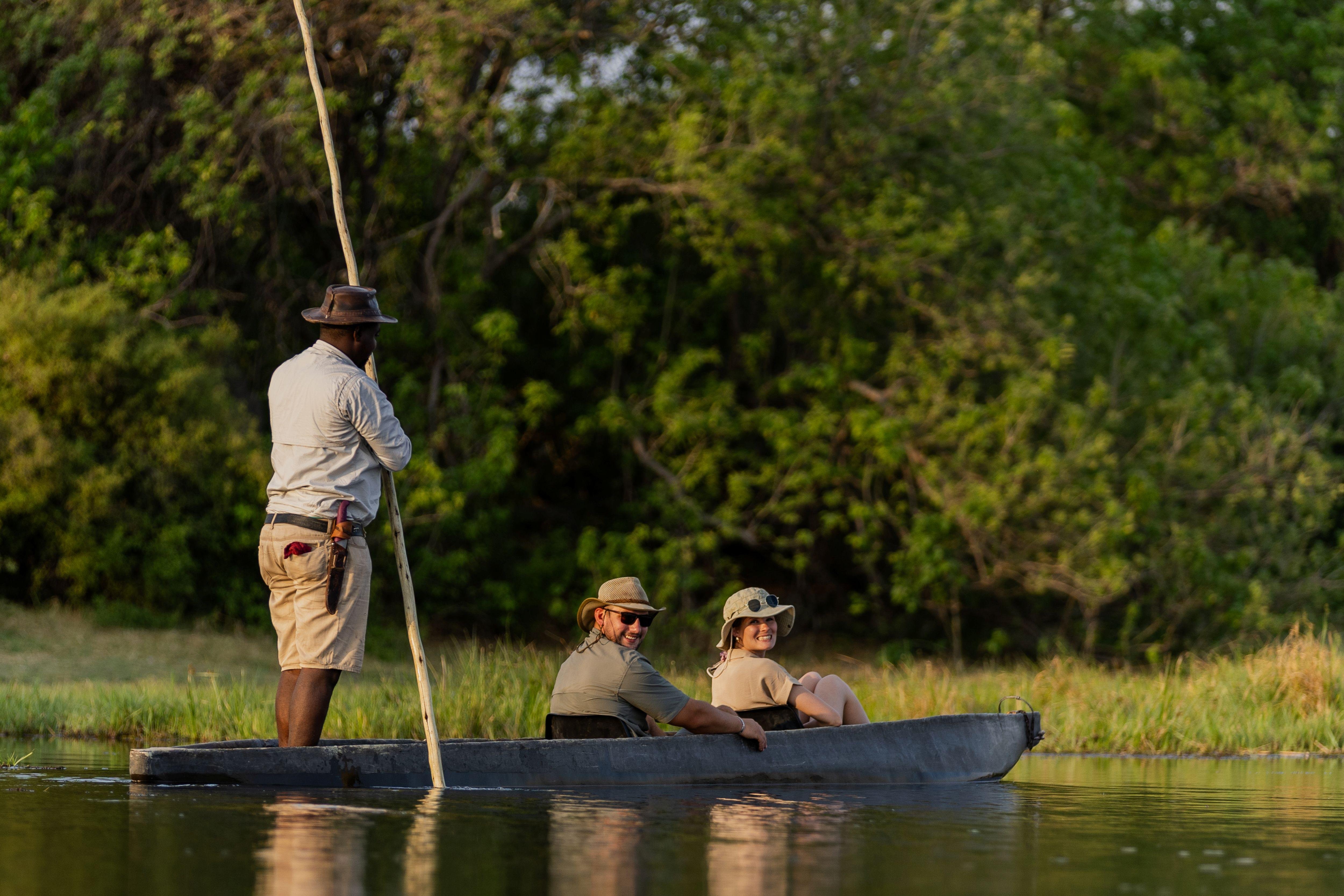
Paddle silent waterways in a dugout canoe, walk a Delta island, and observe elephants and hippos up close
11 hours
Free Cancellation
Venture into Botswana's wildlife haven and UNESCO-listed Okavango Delta on an 11-hour guided expedition
1 hour
Free Cancellation
Drift through pristine delta channels at dusk in a traditional canoe guided by a lifelong local
6 hours
Free Cancellation
Paddle through pristine channels in a traditional dugout, then trek a delta island with local guides
Full day (12 hours)
Free Cancellation
Glide through pristine waterways in a traditional dugout canoe, spotting wildlife in Botswana's iconic delta
3 days
Free Cancellation
Glide through pristine waterways by traditional canoe, trek remote islands, and swim in crystal channels
4 hours
Free Cancellation
Drift silently through pristine waterways in a traditional dugout canoe, then explore a remote island on foot
45 minutes
Free Cancellation
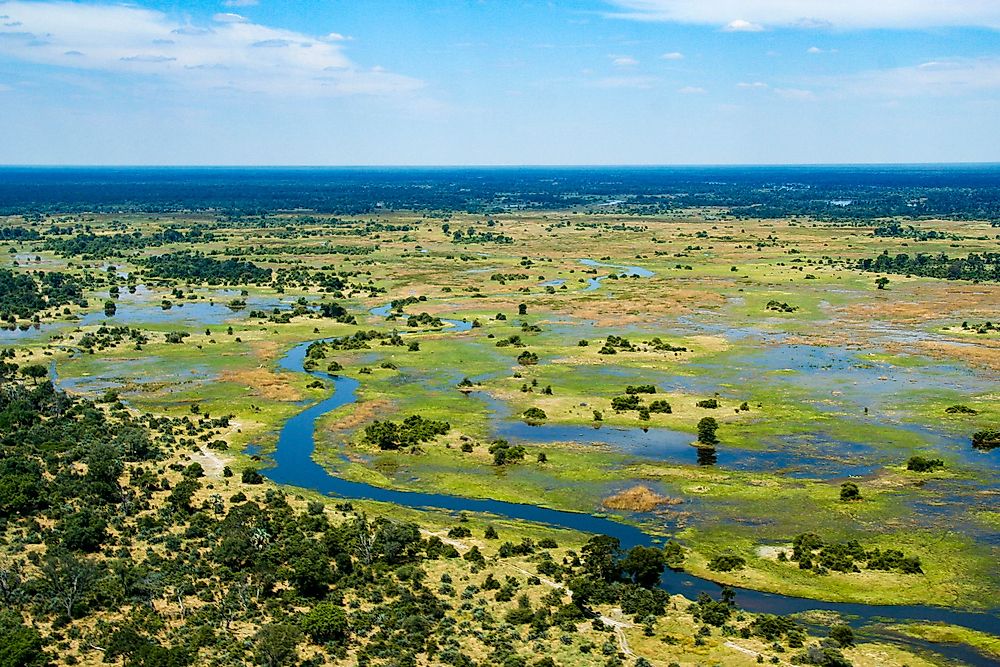
Discover Africa's largest inland delta from above on this unforgettable aerial adventure
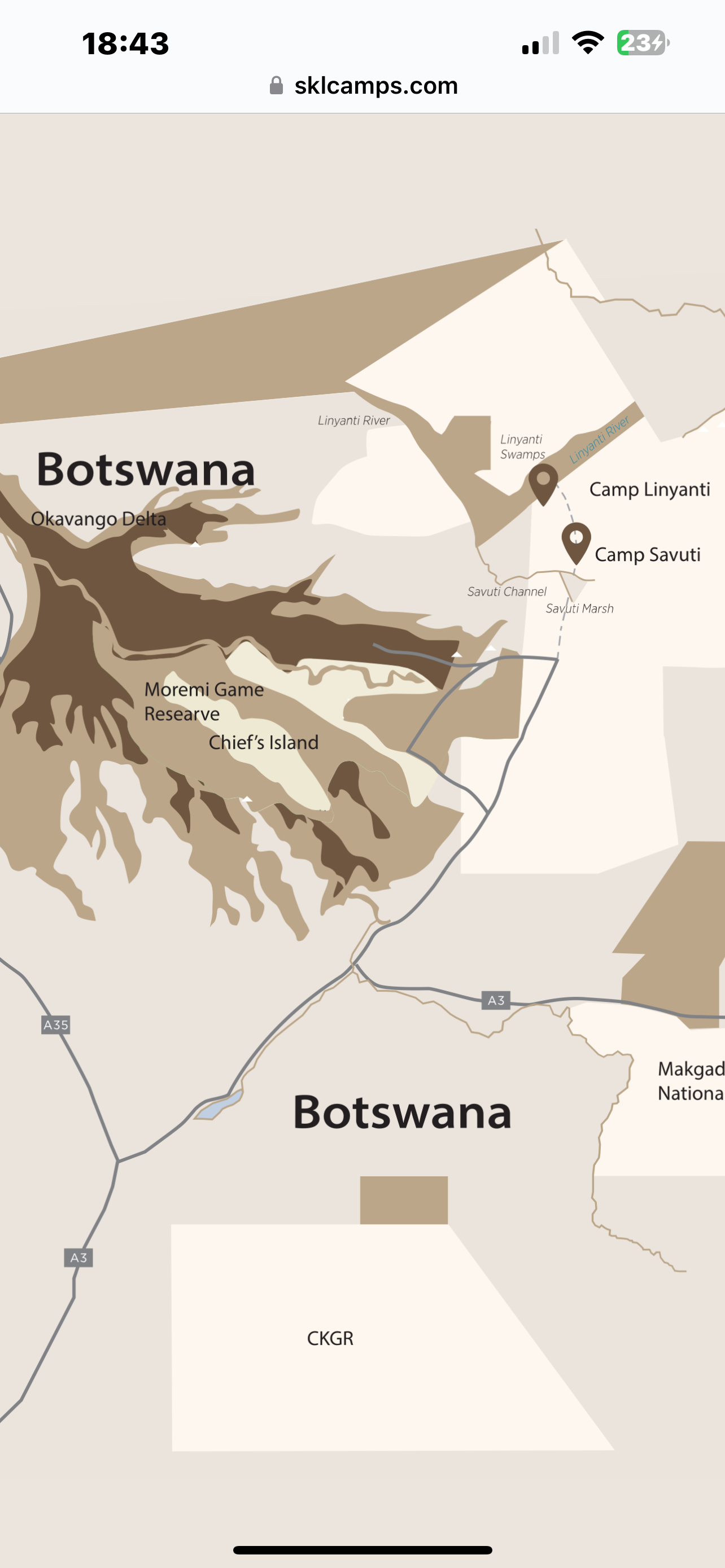
This renowned landmass serves as a wildlife refuge within the delta, covering a significant area of the Moremi Game Reserve. It is famous for its high concentration of predators and exceptional game viewing opportunities.
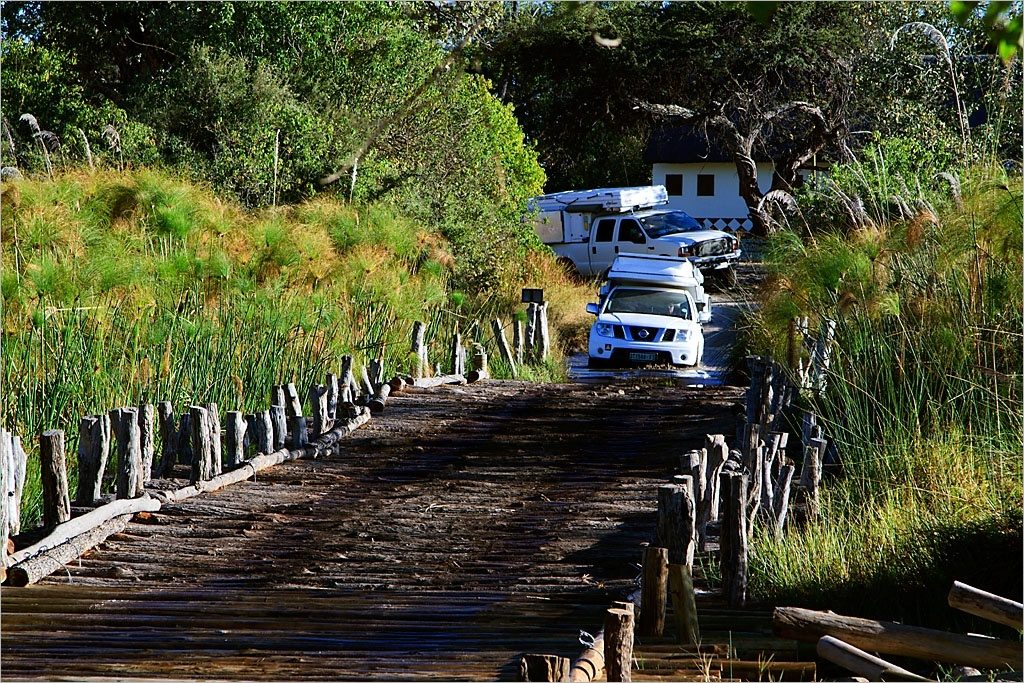
This iconic bridge area is a key landmark for camping and wildlife sightings in the heart of the reserve. It offers access to deep-water channels ideal for traditional canoe excursions.
Located to the north, this area is highly regarded for its diverse habitats and resident elephant populations. It provides a unique, community-managed space adjacent to the main protected areas.
This stretch of land extends into the Okavango Delta, creating a mix of forests and floodplains. It is known for having one of the most diverse ecosystems in the region.
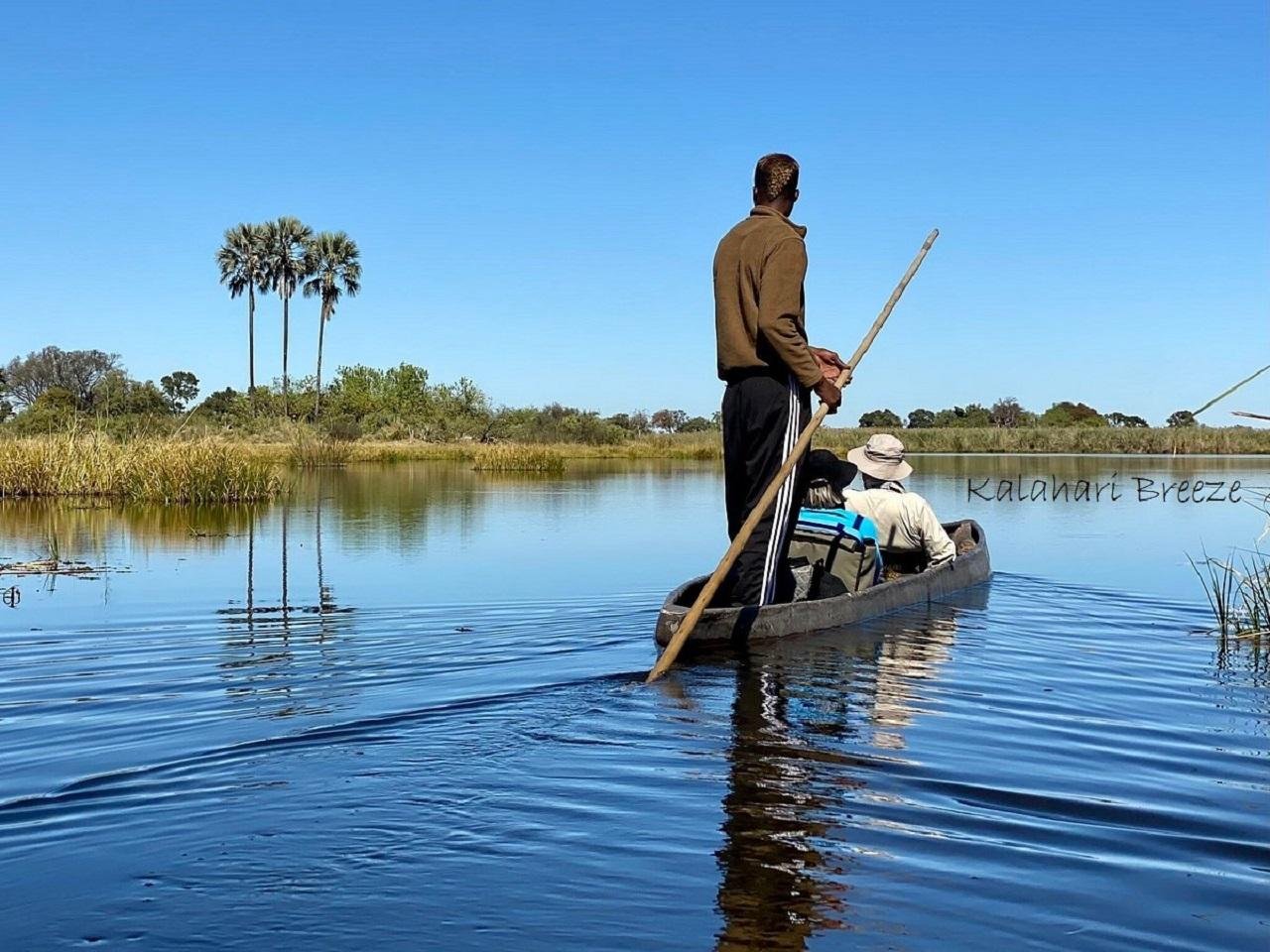
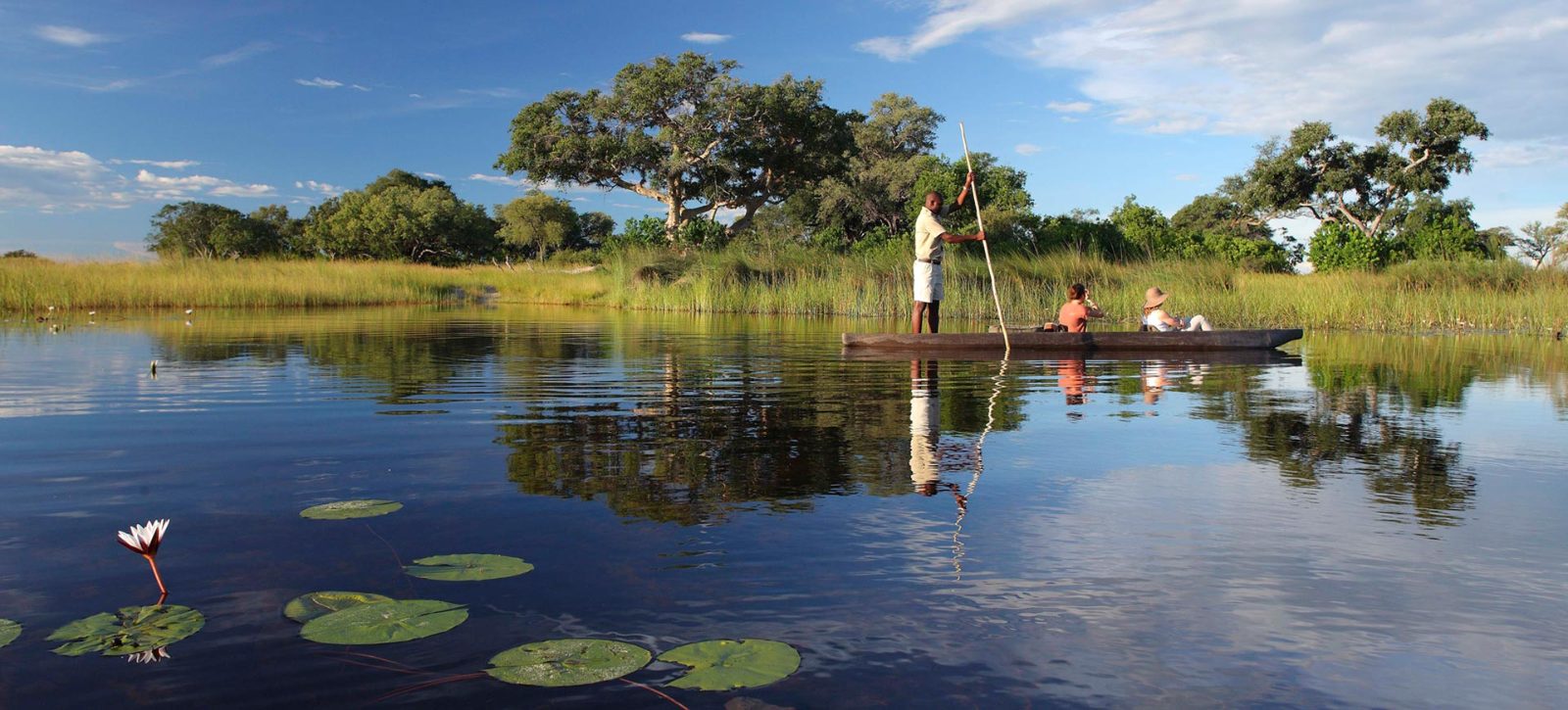
You step into the mokoro at first light, when the delta is silver and the air holds the night's cool. Your poler — standing barefoot at the stern, ngashi pole in hand — pushes off from the papyrus bank, and the canoe glides forward without sound.
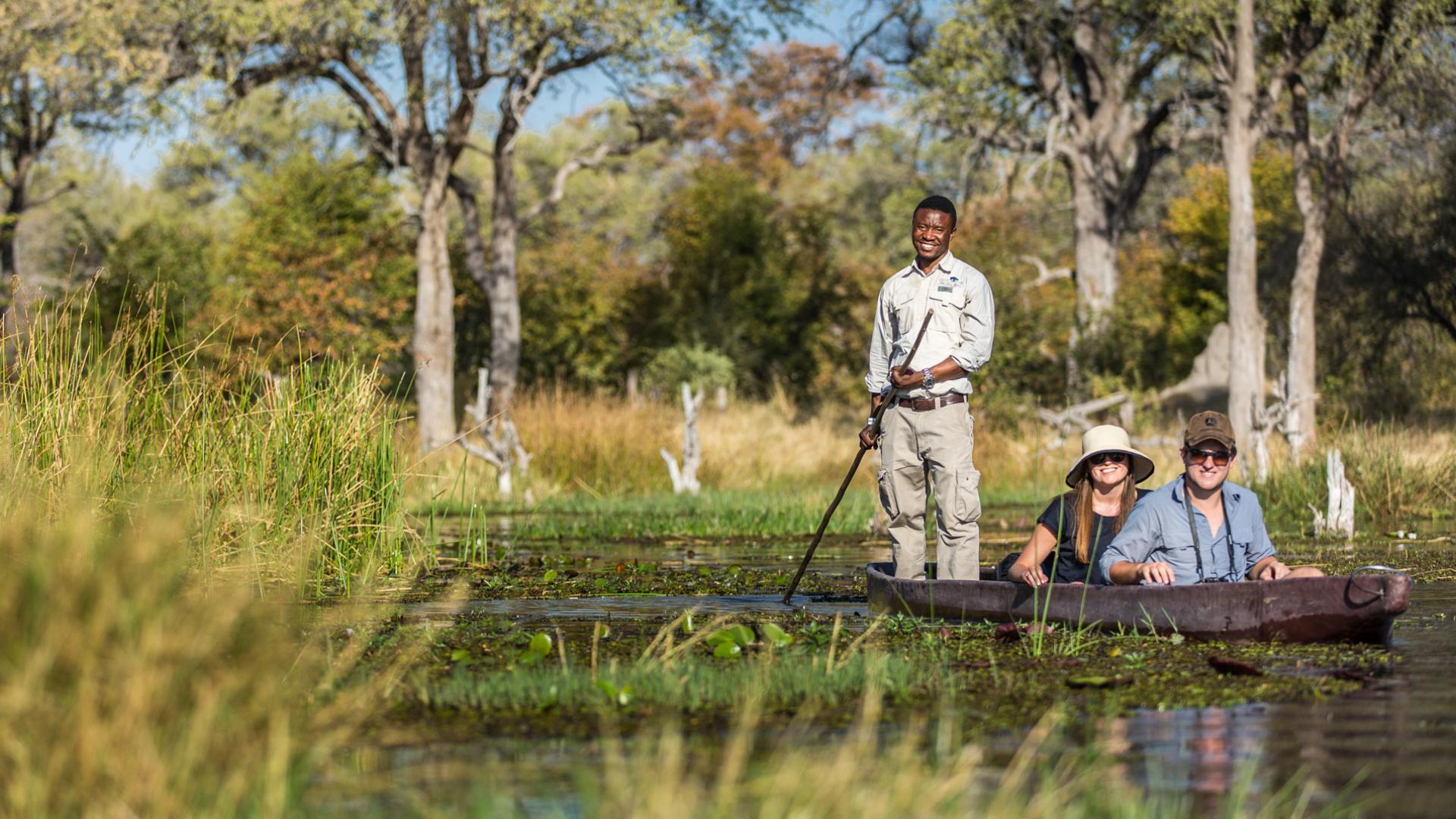
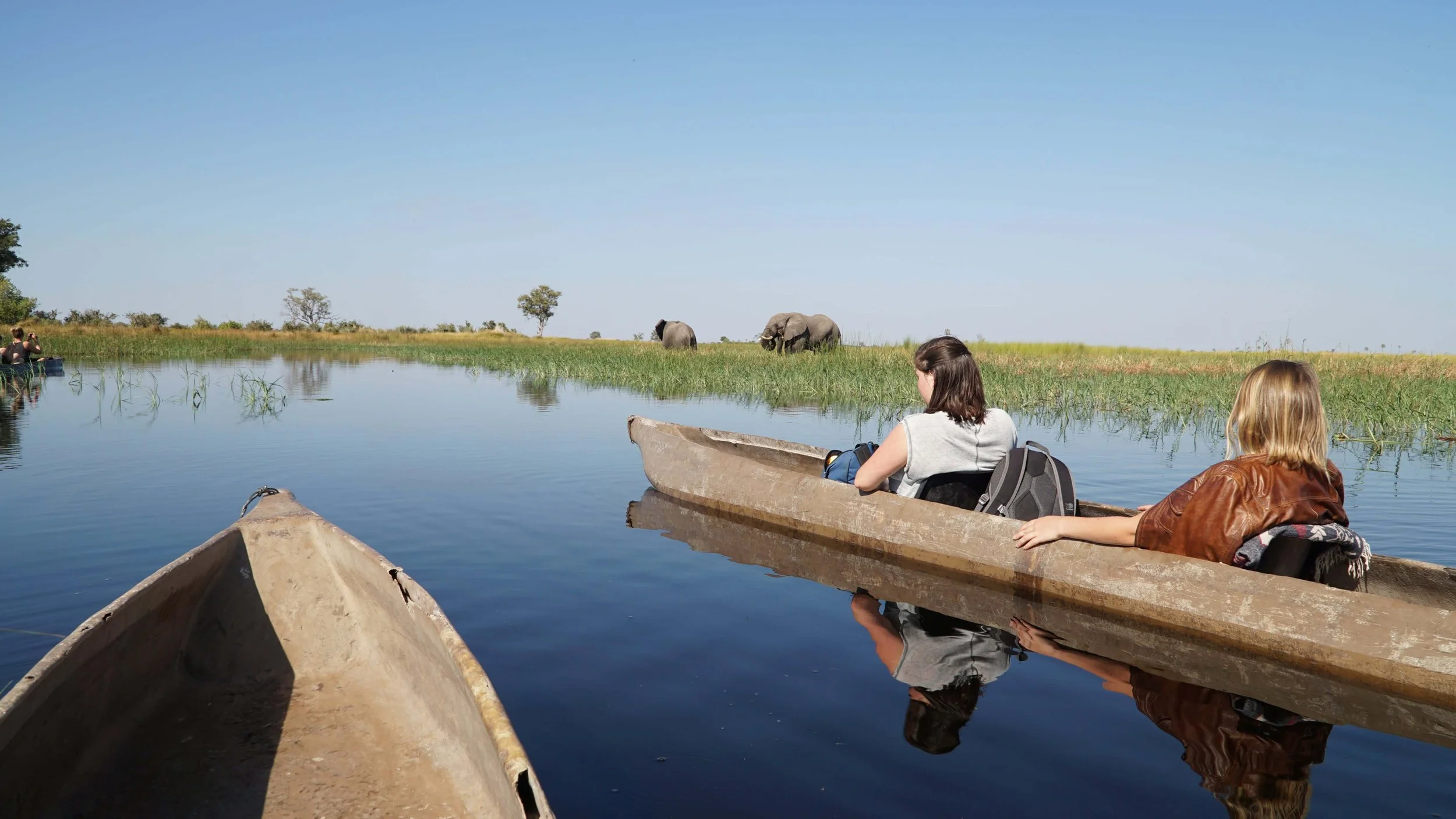
The channel is narrow here, no wider than the mokoro's length, and the reeds rise two metres on either side, filtering the early sun into soft gold. Within minutes you pass a red lechwe, knee-deep and still, watching you drift by.
The water deepens as the channel opens into a lagoon fringed with water lilies. Your poler lets the mokoro coast, and you hear the low grunt of hippos submerged somewhere to your left. A malachite kingfisher flashes past, turquoise against the green, and lands on a reed stalk that bends under its weight. The poler reads the ripples, adjusts his angle, and steers you toward the far bank where an island rises in a stand of fever trees.
You step onto dry ground and walk the island's edge with a guide who points out giraffe prints in the sand, fresh from this morning, and the scored bark where an elephant stripped a tree yesterday. The undergrowth rustles — a bushbuck, small and rust-coloured, bounding deeper into the thicket. You return to the mokoro an hour later, and the poler threads you back through the channels as the heat rises and the delta settles into midday stillness.
All the details about your upcoming adventure in one place
The mokoro — a dugout canoe carved from a single sausage tree trunk — predates the wheel in the Okavango Delta, where the BaYei and Hambukushu peoples perfected silent water travel across a labyrinth that floods 15,000 square kilometres every austral winter.
The delta itself is a geological anomaly: the Okavango River, rising in Angola's highlands, empties not into an ocean but into the Kalahari sands, creating the world's largest inland delta and a UNESCO World Heritage Site that sustains 200,000 large mammals. By the mid-twentieth century, mokoro had become the primary means of moving through the delta's seasonal channels, their flat-bottomed hulls drawing less than fifteen centimetres and their polers — standing at the stern with a ngashi pole cut from mogonono wood — able to read water depth, hippo proximity, and the faint disturbance that signals a submerged crocodile.
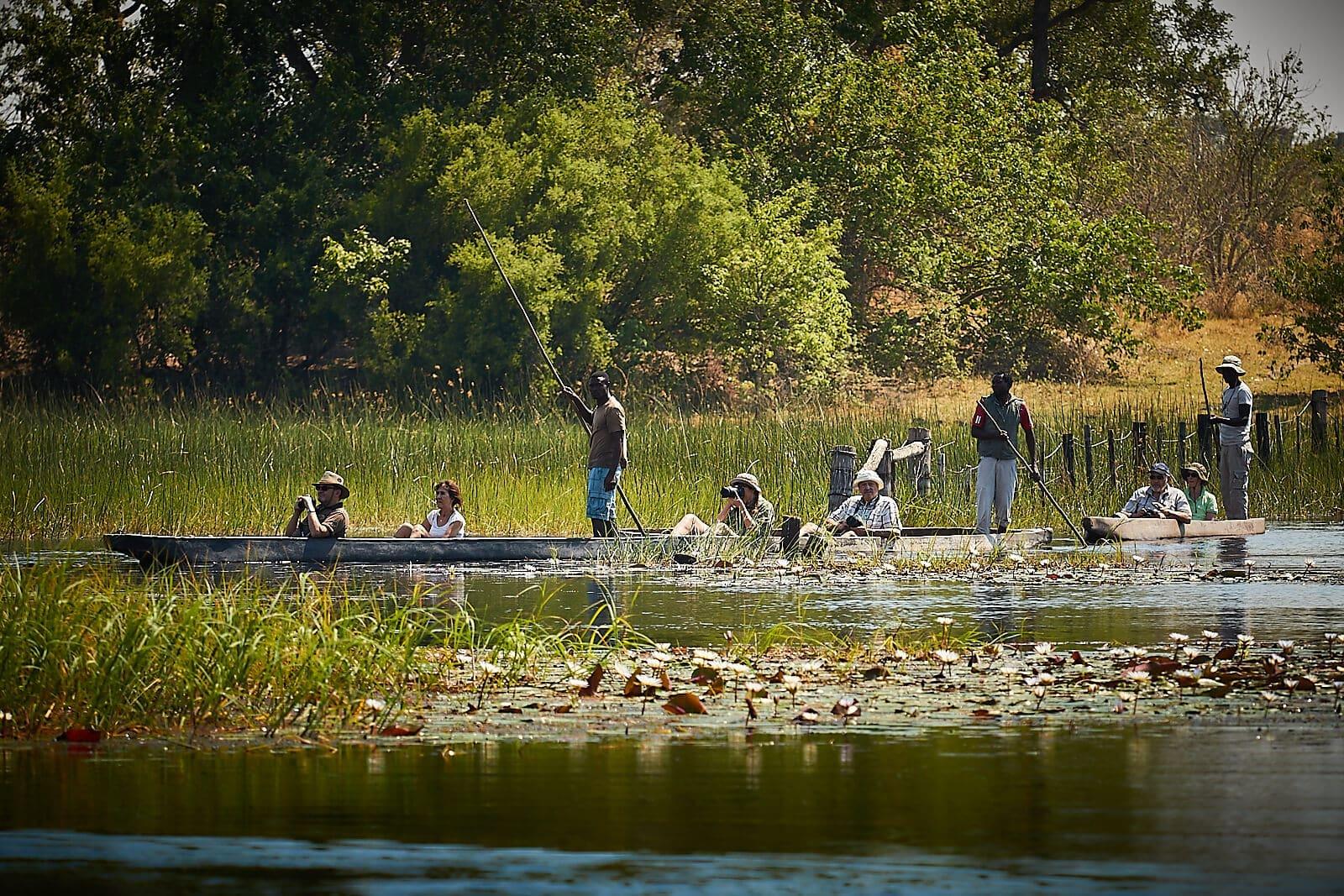
Today, mokoro safari Okavango Delta excursions thread through the same papyrus-fringed channels that carried hunters and fishermen for centuries, though fiberglass hulls have largely replaced dugouts to protect the slow-growing trees. The experience remains defined by stillness: no engine noise, no fuel scent, only the soft scrape of pole on hull and the rustle of reed frogs in the Phragmites stands. Game viewing from a mokoro operates at ear-height to the waterline, which places visitors inside the sensory world of the delta rather than above it — lechwe antelope wade within arm's reach, malachite kingfishers dart across the bow, and elephants crossing between islands leave V-wakes that rock the canoe minutes later. Most mokoro trails depart from the eastern delta's permanent-water zone, accessible via Maun or the airstrips serving Moremi Game Reserve, and pair two to three hours of poling with a walking component on one of the forested islands that rise a mere two metres above flood level but host giraffe, kudu, and the densest leopard population in southern Africa.
The delta's hydrology dictates the character of a mokoro safari Okavango Delta tour. Floodwaters peak between June and August, when the channels are deepest and the birdlife — African fish eagles, lilac-breasted rollers, carmine bee-eaters — congregates in the thousands along the papyrus edge. By November the water has receded, concentrating game around the remaining lagoons and exposing the clay pans where buffalo herds converge. A poler's skill becomes most visible in the narrow cuts between islands, where a misplaced pole can ground the mokoro on a sand bar or drift it into a hippo path, and in the reading of elephant sign on the banks — fresh dung and stripped mopane bark indicate a herd's direction and the safety margin for landing.
Game viewing from a mokoro operates at ear-height to the waterline, which places visitors inside the sensory world of the delta rather than above it.
Wear neutral-colored, lightweight safari clothing such as khaki, beige, or olive green to blend into the environment. Long sleeves and trousers provide essential protection against the sun and insects during a mokoro safari okavango delta excursion.
Packing must be restricted to soft-sided duffel bags due to space limitations in transport vehicles and light aircraft. Please note that plastic bags are strictly prohibited in Botswana; use cloth or canvas alternatives for your mokoro safari okavango delta.
Bring a waterproof bag to protect electronics while on the water. A mokoro safari okavango delta offers exceptional opportunities for wildlife photography, so carry spare batteries and memory cards.
Children are welcome, though those under 6 years generally require the booking of a private vehicle. Please confirm specific age requirements for the mokoro safari okavango delta with your chosen provider.
The terrain requires 4x4 vehicles for ground transit, and visitors must be capable of entering and exiting the low-profile mokoro canoes. Please consult with your operator regarding specific mobility needs for your mokoro safari okavango delta.
Most lodges include meals, but guests should carry sufficient water for the day. Always verify dietary requirements with your operator before embarking on a mokoro safari okavango delta.
Opening Hours
06:00–18:00
Address
Okavango Delta, Botswana
Vehicle Access
4x4 required
Best arrival
06:30–09:00
Luggage Limit
10–20kg soft-sided bags
Reserve
Moremi Game Reserve
A 50% deposit is payable on confirmation, with final payment due 30 days before arrival. Cancellations made 30 days or less before the start of your mokoro safari okavango delta tour incur a 100% charge.
Recommended time
Half a day
To experience a mokoro safari okavango delta properly, plan for a half-day excursion to observe wildlife from a traditional dugout canoe. Arriving within the best arrival window of 06:30–09:00 ensures you navigate the narrow channels during the coolest temperatures, when animal activity is highest. Booking mokoro safari okavango delta tours in advance is advised to secure your guide, as mid-day heat often reduces sightings and increases boat traffic on the waterways. Securing your mokoro safari okavango delta tickets early allows for a peaceful journey through the wetlands before the midday sun peaks.
Crowd levels through the day
The mokoro safari okavango delta tradition originates with the Bayei and Hambukushu peoples, who settled the permanent waterways of the Delta between the late eighteenth and early nineteenth centuries. These communities crafted dugout canoes from massive sausage trees and ebony hardwoods, poling silently through papyrus channels to fish, hunt, and transport goods. The mokoro was not a tourist vessel but a lifeline, enabling year-round navigation of seasonal floodplains where wheeled transport could not reach. By the 1960s, commercial logging and the weight of traditional mokoro designs began threatening Delta timber stocks, prompting conservation groups to introduce fiberglass replicas in the 1990s. Moremi Game Reserve, established in 1963 by the Batawana people under Chief Tawana Moremi's widow, became the first protected area in Africa created by a local community rather than colonial decree. The reserve anchored the southern Delta and provided a controlled corridor for mokoro safari okavango delta tours, which began as informal expeditions led by Bayei polers in the 1970s. By 1985, the Botswana government formalized commercial licensing, requiring registered guides and restricting routes to minimize disturbance to breeding islands. The industry expanded rapidly after UNESCO inscribed the Okavango Delta as a World Heritage Site in 2014, recognizing both its ecological importance and the cultural continuity of traditional water-craft navigation. Today, nearly all mokoro used for tourism are fiberglass, lighter and quieter than their wooden predecessors. Traditional polers, many descended from the original Bayei clans, now pilot visitors through the same channels their ancestors navigated two centuries ago. The seasonal flood, governed by rainfall in Angola's highlands rather than local weather, dictates the safari calendar. Peak water levels between June and August open otherwise inaccessible lagoons, while receding flows from September onward concentrate wildlife along shrinking channels. The mokoro remains the only watercraft permitted in Moremi's core zones, preserving the Delta's soundscape and the integrity of a transport method older than the reserve itself.
Bayei and Hambukushu peoples settle the Delta, crafting dugout mokoro from local hardwoods for fishing and transport.
Moremi Game Reserve is established by the Batawana community, creating Africa's first tribally protected wilderness area.
Informal mokoro expeditions for visitors begin, led by Bayei polers using traditional wooden canoes.
Botswana formalizes commercial mokoro guiding licenses and route restrictions to protect breeding habitats.
Fiberglass mokoro replace wooden dugouts to conserve Delta timber and reduce vessel weight.
UNESCO designates the Okavango Delta a World Heritage Site, recognizing its ecological and cultural significance.
Licensed mokoro safari okavango delta tours operate year-round, with seasonal flood cycles dictating access to remote lagoons.
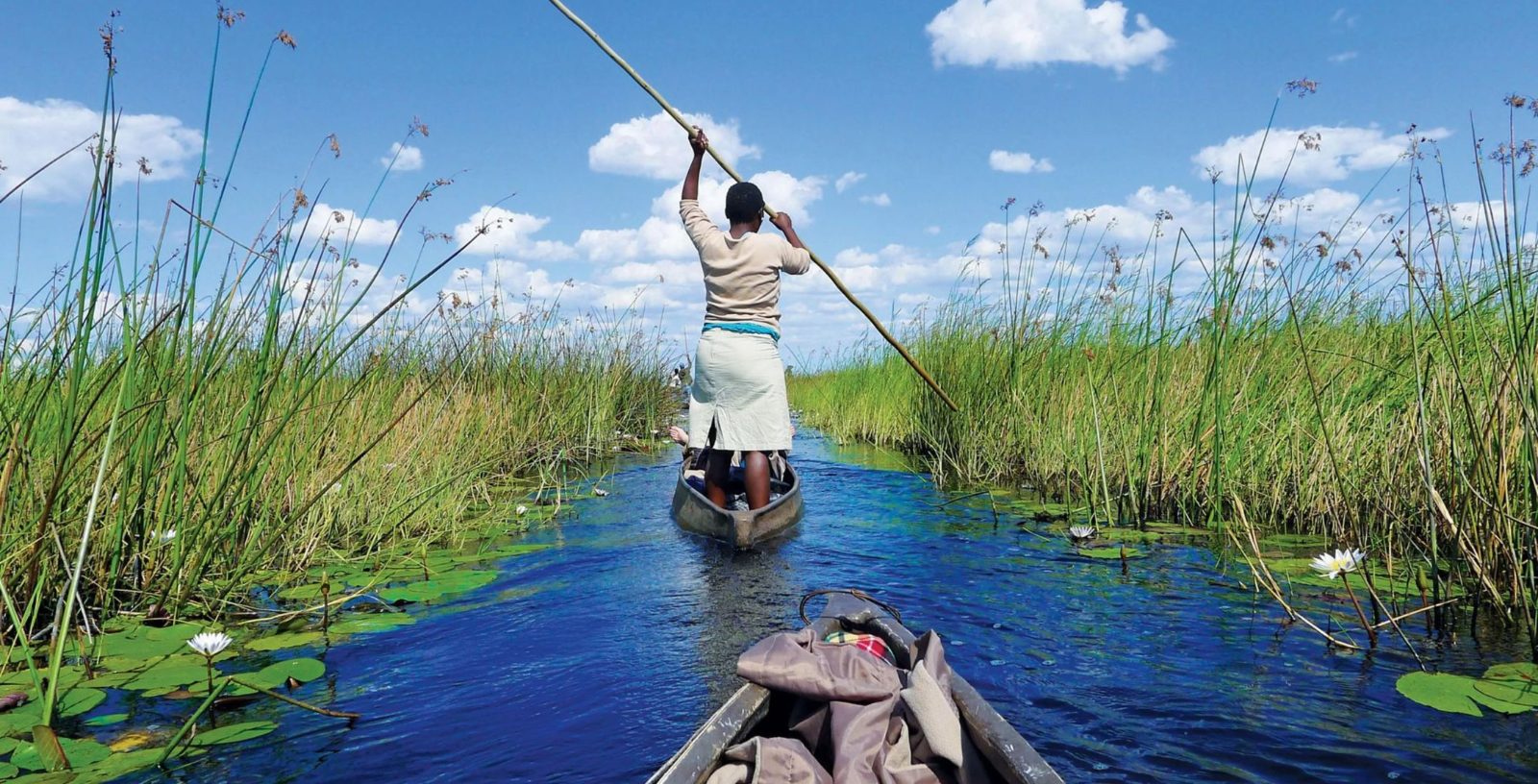
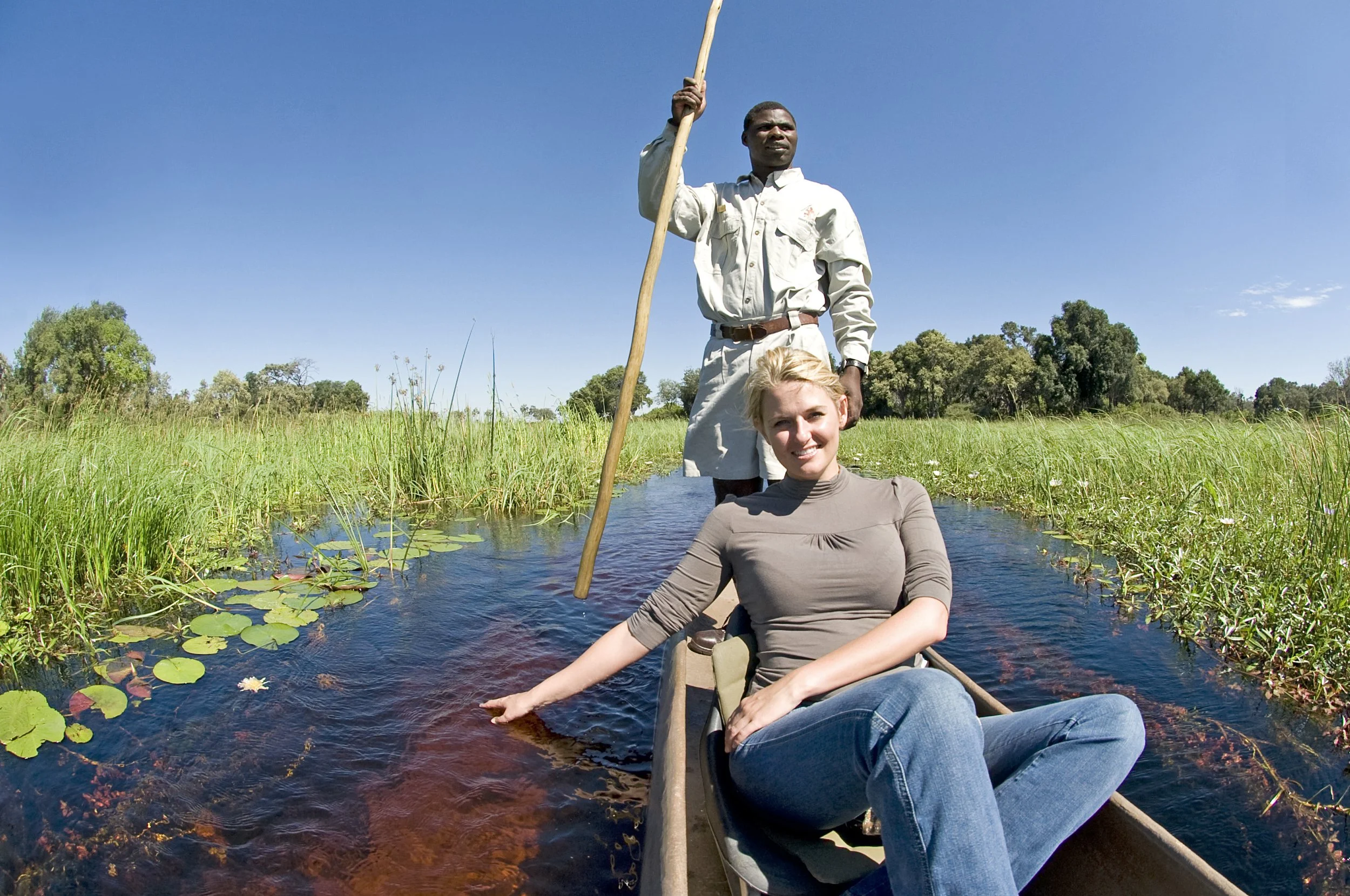
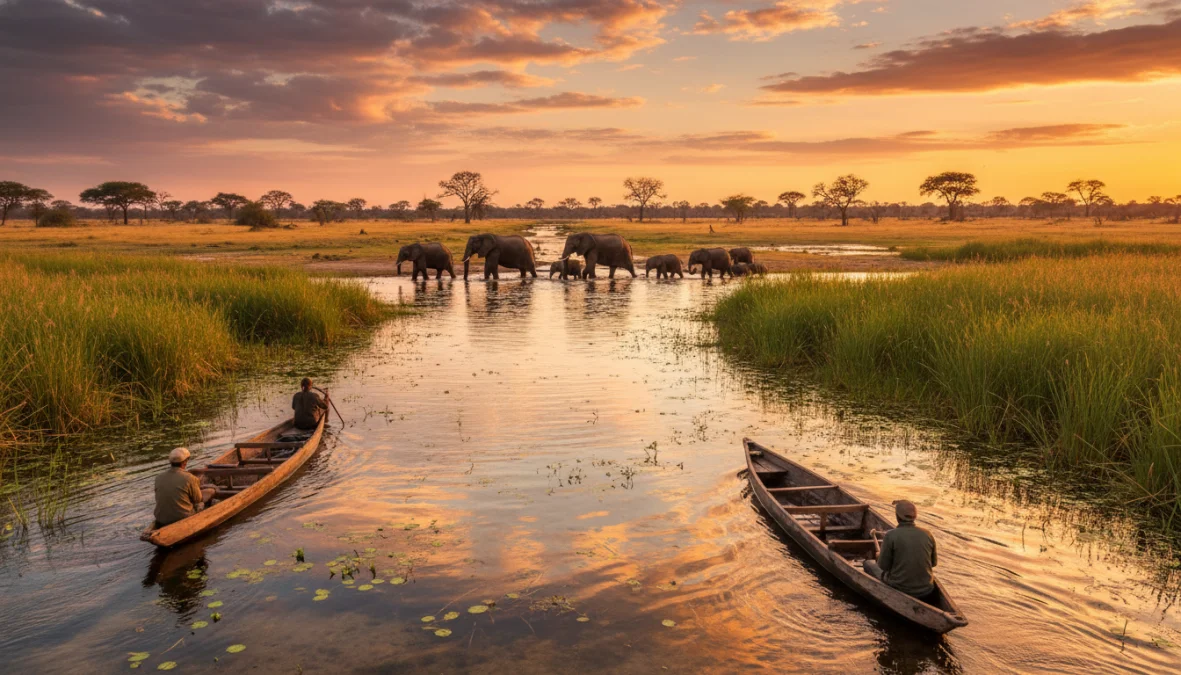
Position your camera low near the water line to capture the reflection of swaying papyrus against the morning sky. This channel is a prime location for a mokoro safari okavango delta where the poler navigates through narrow, lily-covered pathways.
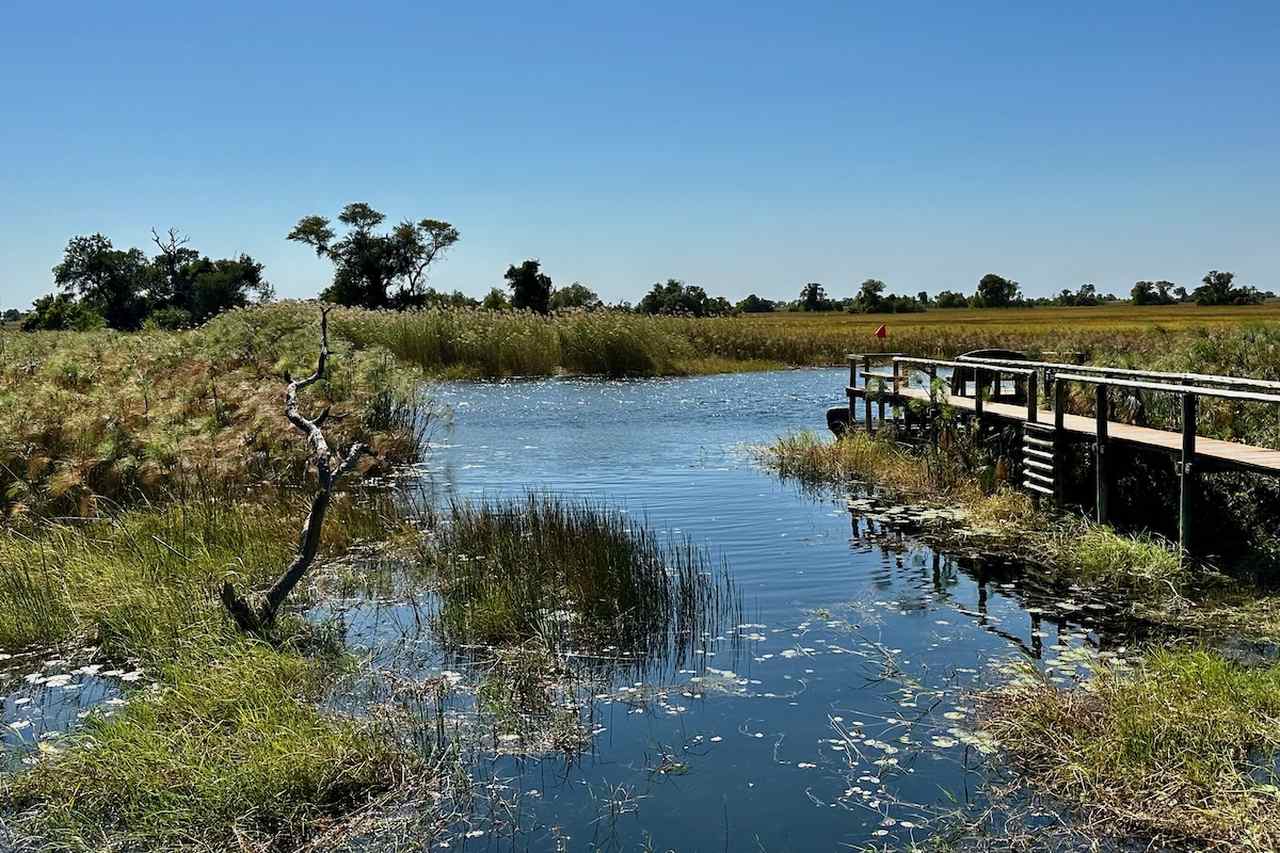
Capture the departure scene as the dugout canoe enters the main waterway from this established launch point. This mokoro safari okavango delta tour access point provides a steady platform for wide-angle shots of the vast wetland landscape.
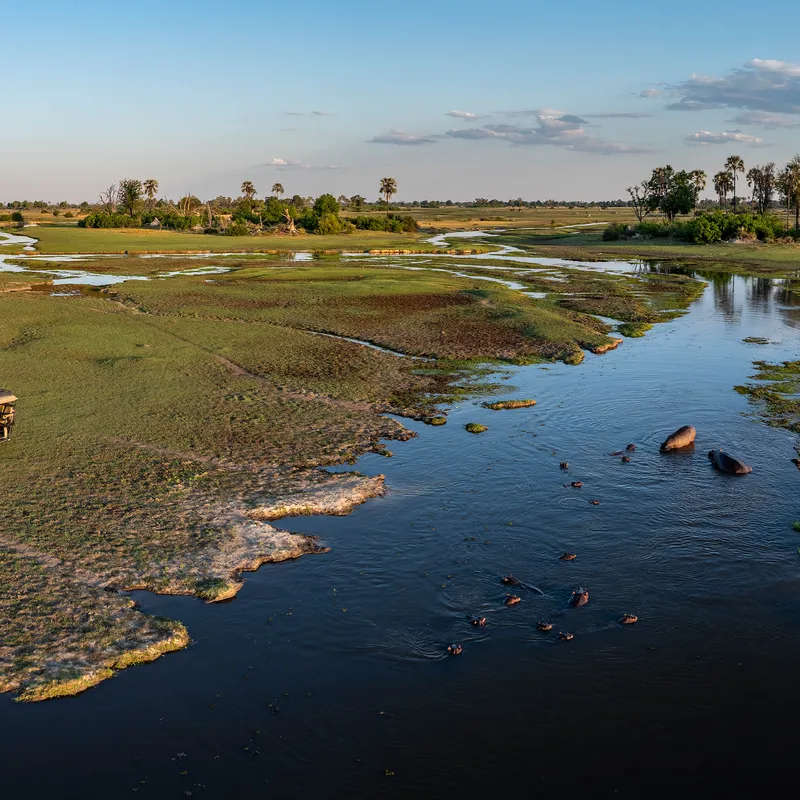
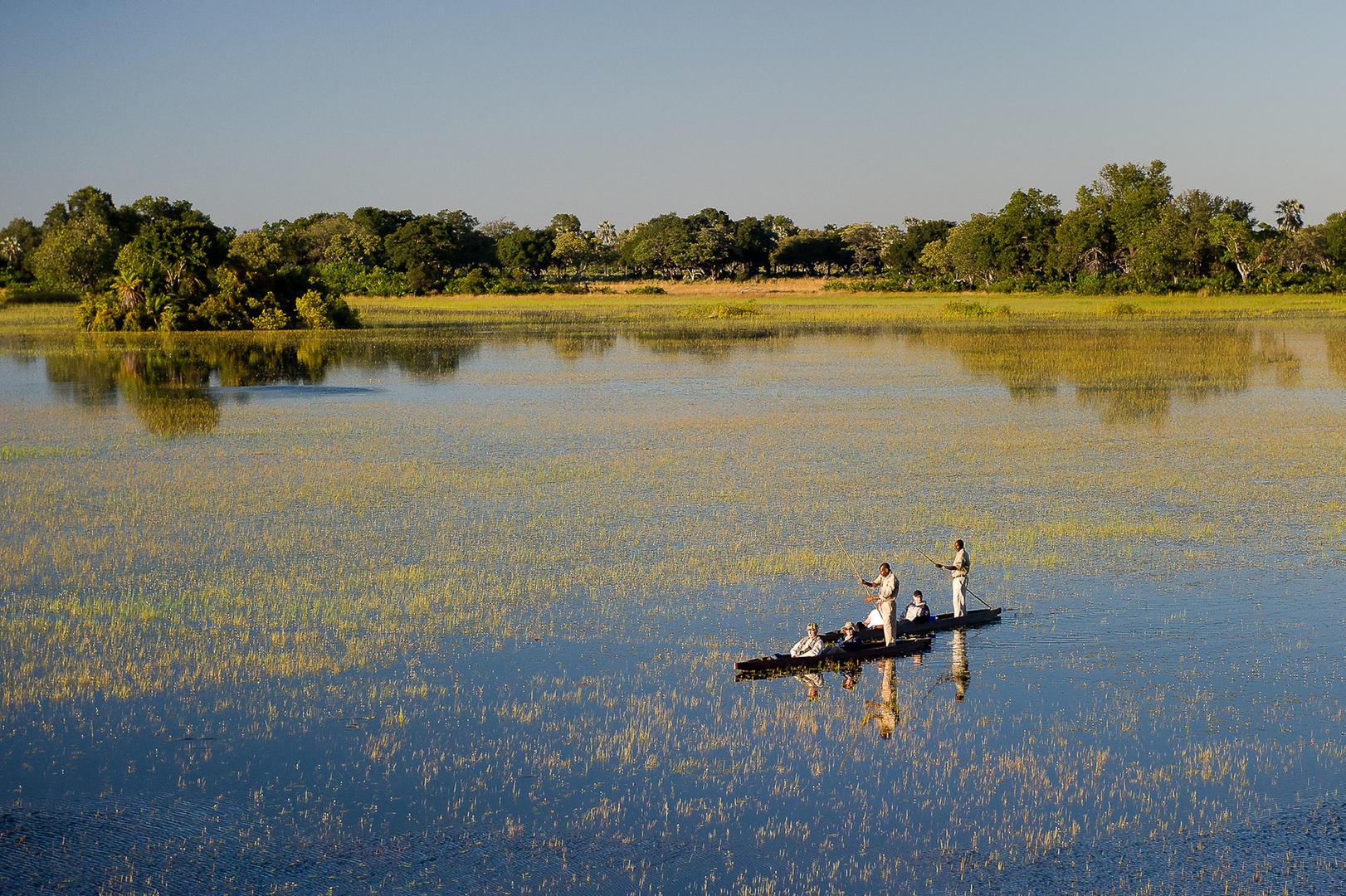
Focus on the birdlife and aquatic vegetation from the stability of the vessel while drifting through the center of this expansive pool. These mokoro safari okavango delta tickets offer access to one of the most serene photographic environments in the region.
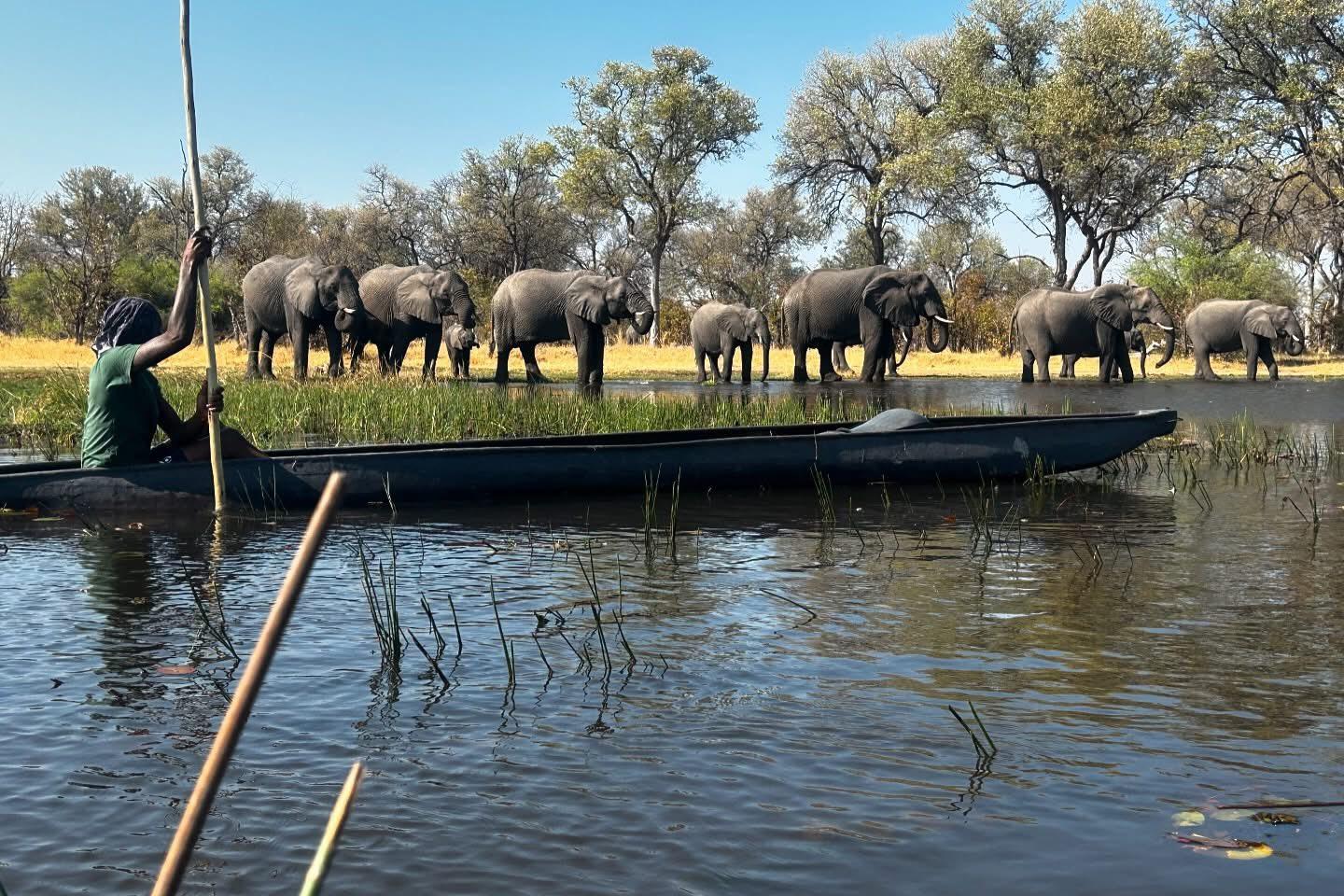
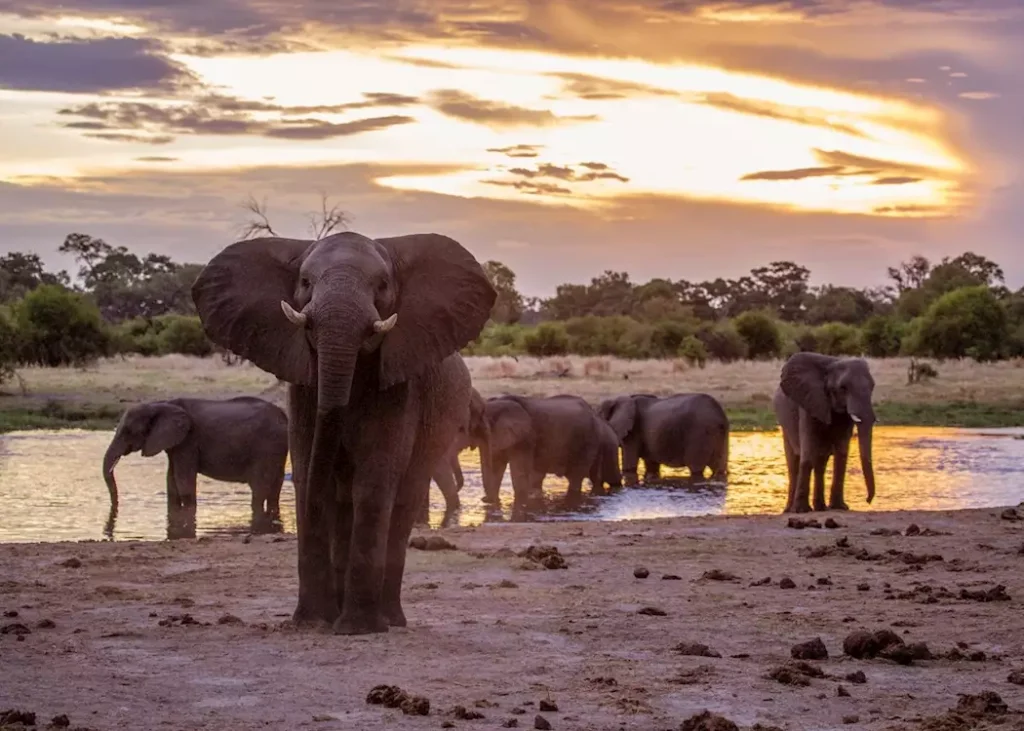
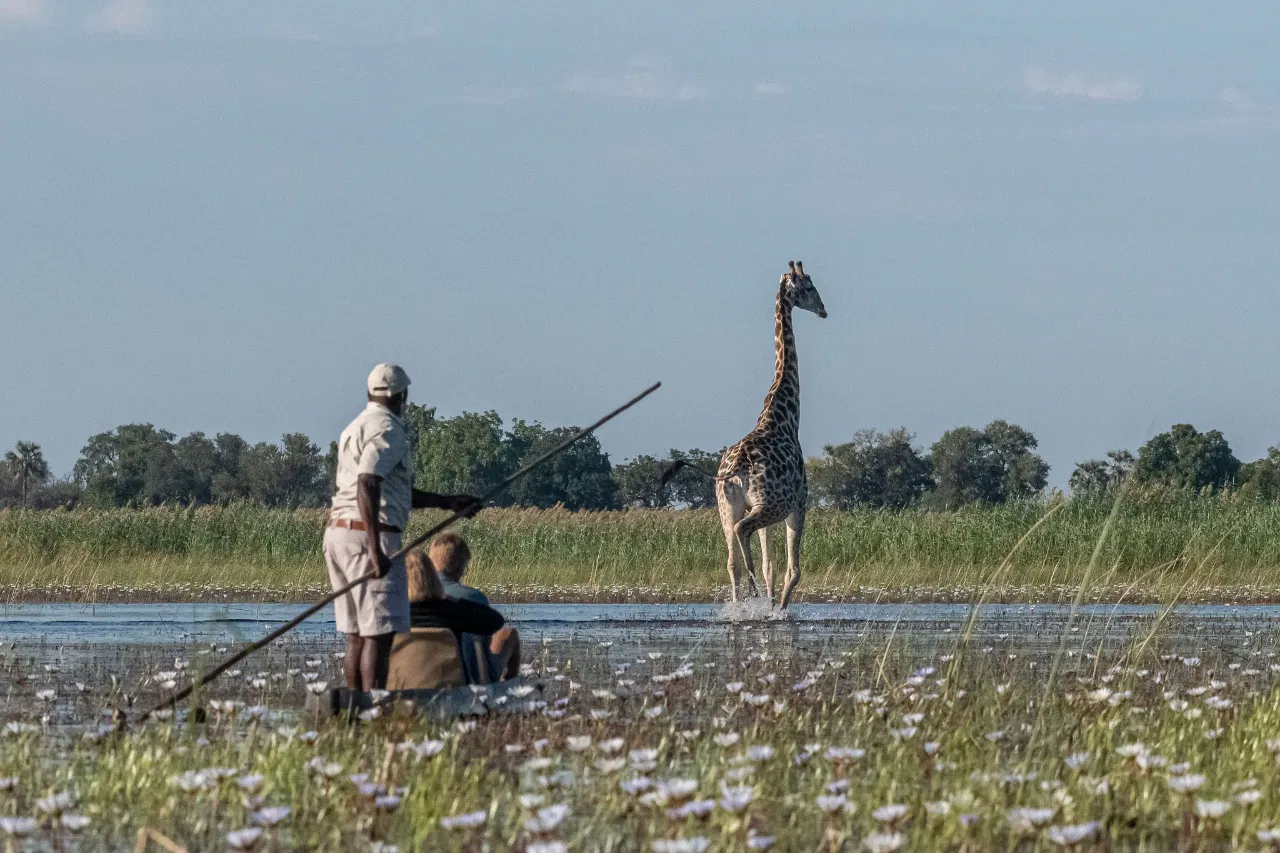
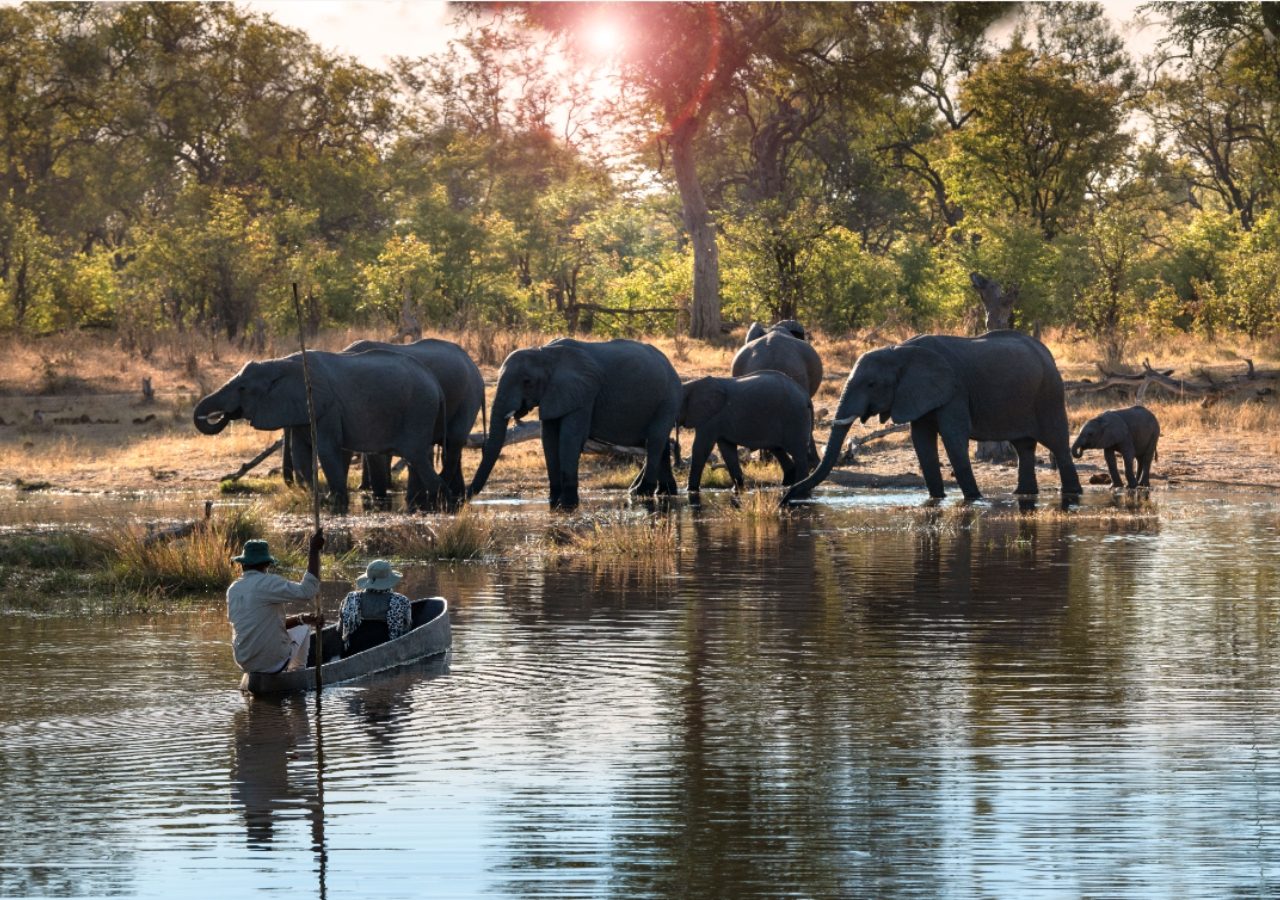
Use a long lens to compress the landscape as you photograph wildlife emerging from the reeds along the horizon. This setting for mokoro safari okavango delta tours allows for unique shots of elephants wading through the shallow floodplains.
Exploring the waterways during a mokoro safari okavango delta requires careful preparation to ensure both safety and comfort for your little ones. Parents should prioritize balance and stillness while navigating these traditional dugout canoes through the narrow river channels.
Children are typically required to be at least 6 to 12 years old depending on the specific operator, as passengers must be able to sit perfectly still for extended periods. Always check if your selected mokoro safari okavango delta tour requires a minimum age to ensure child safety in the small craft.
This activity takes place in a remote wilderness setting where strollers are not practical or permitted. You will need a reliable child carrier for land-based segments of your journey.
There are no baby-change facilities or specialized amenities located within the delta environment. Please plan for a self-sufficient trip by packing all necessary supplies for the day.
Constant parental supervision is required because mokoro safari okavango delta tickets do not provide railings or secure seating. Ensure children understand the importance of keeping limbs inside the boat to avoid contact with reeds or potential aquatic wildlife.
Given the early start, consider the best arrival window of 06:30–09:00 to keep children engaged while they are most alert. Longer expeditions can be tiring, so confirm the duration of your mokoro safari okavango delta tours to align with your family energy levels.
Dining options near a mokoro safari okavango delta are limited to lodge-based catering, as the wilderness environment requires visitors to plan meals in advance. Most travelers rely on their safari operator to provide packed lunches or full-board arrangements while exploring the waterways.
Designated areas for consuming packed meals amidst the floodplains; ensure you carry out all waste to protect the environment.
Everything you need to know for your journey
The reserve is open daily from 06:00–18:00. The entrance fee for foreign adults at Moremi Game Reserve is 270 BWP per person per day. The best time for a mokoro safari okavango delta is during the dry season from May to August when water levels are high. Yes, children are welcome on a mokoro safari okavango delta, though those under 6 typically require a private vehicle. We recommend an arrival window of 06:30–09:00 for the best light and cooler temperatures for your mokoro safari okavango delta. Plastic bags are strictly prohibited; please use canvas bags for your mokoro safari okavango delta. Wear neutral-colored, lightweight layers that cover the skin. Most visitors access the area via 4x4 from Maun or light aircraft for a mokoro safari okavango delta. You can combine your visit with tours of the Khwai Concession or neighboring northern park regions.
Please contact us for more information.
Join thousands of happy travelers who have discovered this incredible experience
Book Your Experience Now