24 hr
Full-Day Mokoro Canoe Journey in Okavango Delta
- Expert local guide
- Small group
- Skip-the-line access
- Free cancellation
Okavango Delta Canoe Tour — Mokoro Safaris & Waterway Exploration
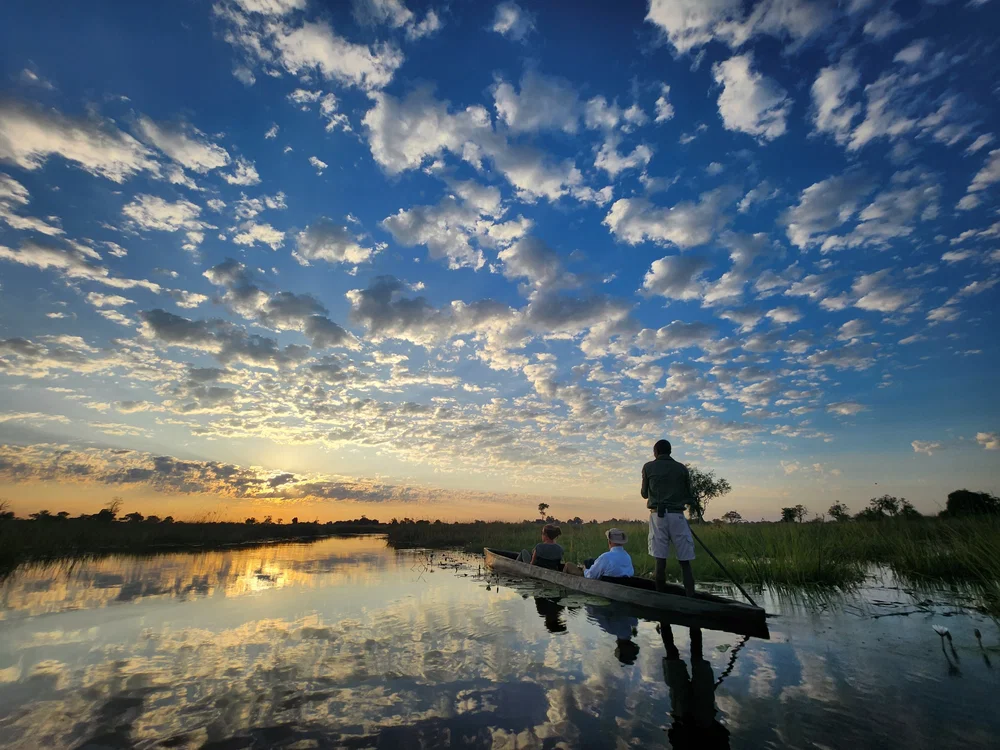
Poled silently through papyrus channels, wildlife at arm's reach
Compare fares, pick the fit — all bookings are mobile-voucher and eligible for free cancellation where shown.
24 hr
8 hr
Selecting the right okavango delta canoe tour ensures an immersive experience through Botswana's unique water-based ecosystems. Choosing between these official excursion structures depends on your preference for a quick nature study or an in-depth delta expedition.
| Day Trip Full Expedition | Multi-Day Safari Lodging & Guided | |
|---|---|---|
| Duration | 6 hours | 3+ days |
| Access Method | Transfer included | Fly-in or mobile transfer |
| Activities Included | Mokoro and nature walk | Game drives and boat safari |
| Group Type | Small group | Private or lodge group |
| Best for | First-timers | Wildlife enthusiasts |
Verdict: For the best balance of tranquility and wildlife, choose the multi-day okavango delta canoe tour tickets for a complete experience.
Worth it for nature lovers and photographers
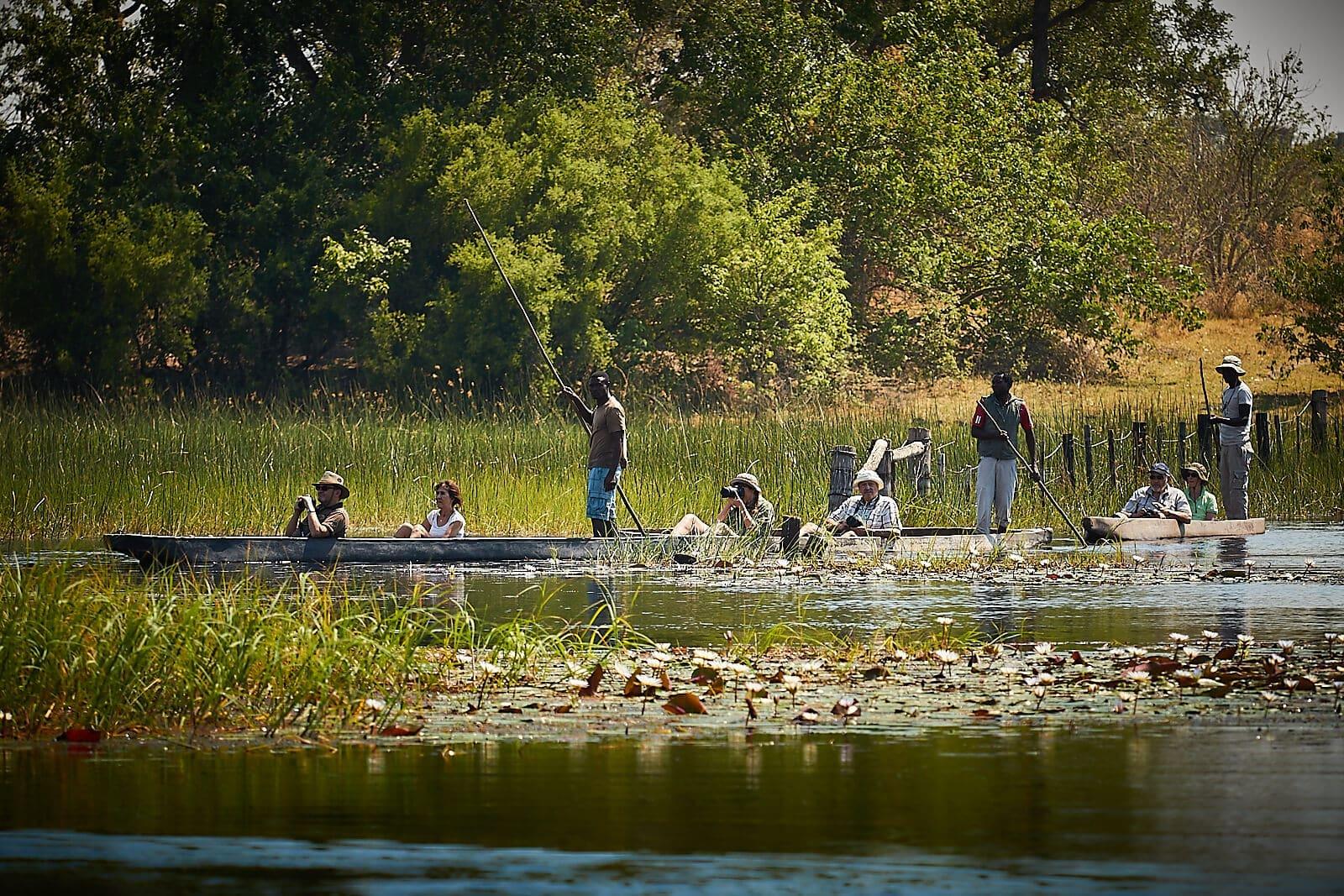
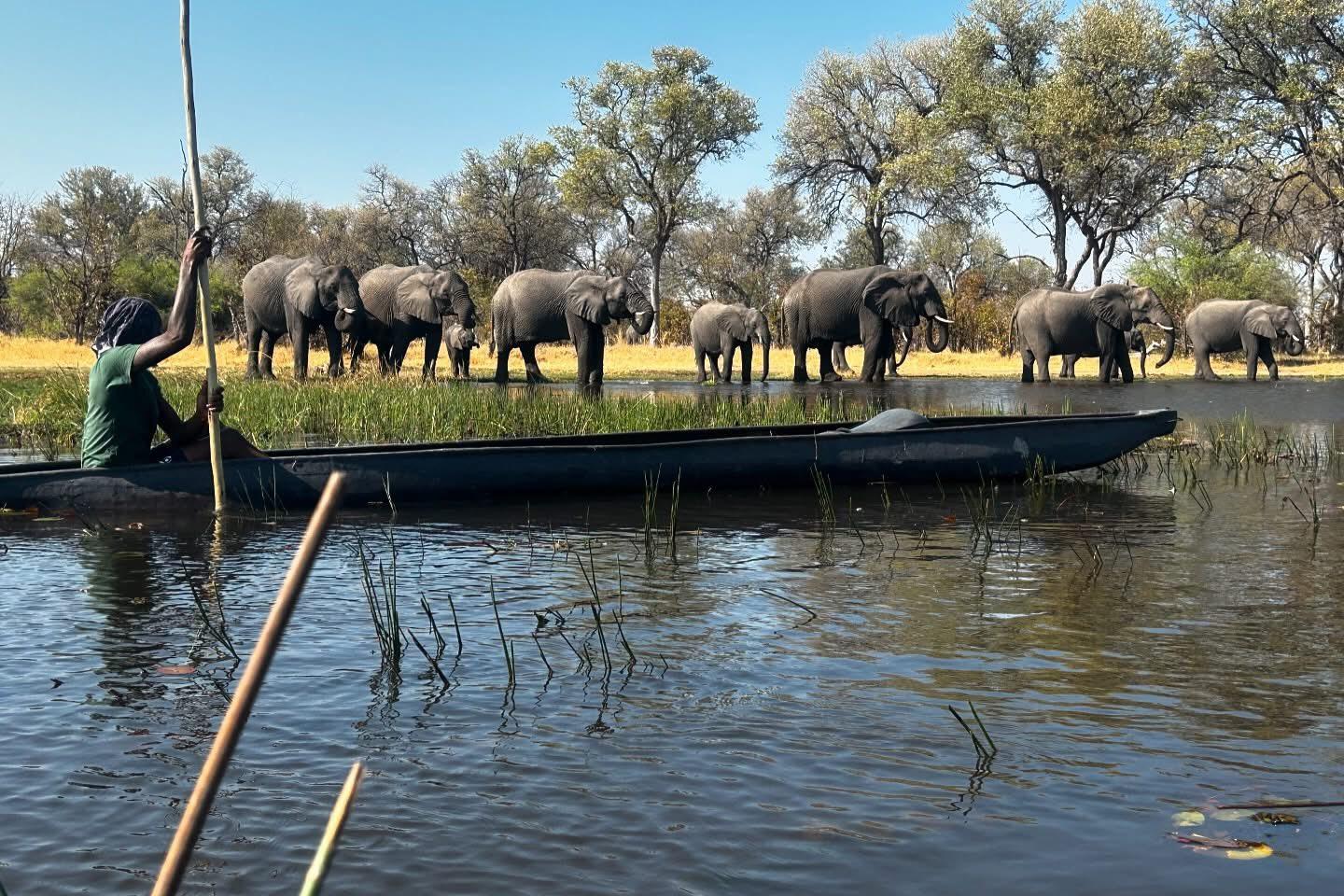
An okavango delta canoe tour delivers exceptional value for travelers seeking authentic wilderness immersion. The traditional mokoro canoe experience—poled silently through papyrus-lined channels—grants access to landscapes and wildlife encounters impossible from a vehicle. You'll pay the 500 BWP Moremi Game Reserve entry fee plus guided tour costs, but the return is intimate proximity to elephants wading between islands, hippos surfacing meters away, and over 400 bird species in their natural habitat. Full-day mokoro journeys often combine waterborne exploration with guided bush walks on secluded islands, doubling your ecological perspective. The Delta's floodplain ecosystem—a UNESCO World Heritage site fed by seasonal waters from Angola—supports one of Africa's densest wildlife concentrations. For photographers, the low vantage point and silent approach yield frame-filling shots unattainable from safari vehicles. Budget-conscious travelers should note that mokoro tours require park fees on top of guiding costs, though the multi-sensory immersion and expert poler commentary justify the combined expense for most visitors.
Bottom line: The mokoro canoe tour's unmatched ecological access and silent wildlife proximity outweigh the combined costs for anyone prioritizing immersive wilderness over drive-through safaris.
They complement each other; most visitors who do both call the mokoro excursion the more immersive way to experience the water-based ecosystem while motorized tours offer better range. Choosing between these okavango delta canoe tour options depends on whether you prioritize silence or speed.
|
Top pick Mokoro Canoe |
Motorized Boat | |
|---|---|---|
| Experience style | Traditional pole-steered craft | Engine-powered watercraft |
| Noise level | Silent | Moderate engine drone |
| Wildlife proximity | Very close | Distanced to avoid disturbance |
| Ability to navigate shallow channels | Excellent | Limited to deep water |
| Physical activity required | Passive sitting | Passive sitting |
| Observation vantage | Water-level view | Elevated deck view |
| See tickets & prices |
Verdict: Select the traditional okavango delta canoe tour tickets for intimate aquatic immersion or a motorized safari when you need to cover larger areas of the Moremi Game Reserve.
Hand-picked experiences loved by thousands of travelers
6 hours
Free Cancellation
Paddle traditional dugout canoes through pristine channels, then explore a remote island on foot
1 day
Free Cancellation
Glide through crystal waterways in a hand-carved canoe, spotting hippos and crocs on this immersive delta adventure
1 day
Free Cancellation
Glide through pristine waterways by traditional mokoro, track wildlife on foot, and explore a UNESCO treasure.
1 hour
Free Cancellation
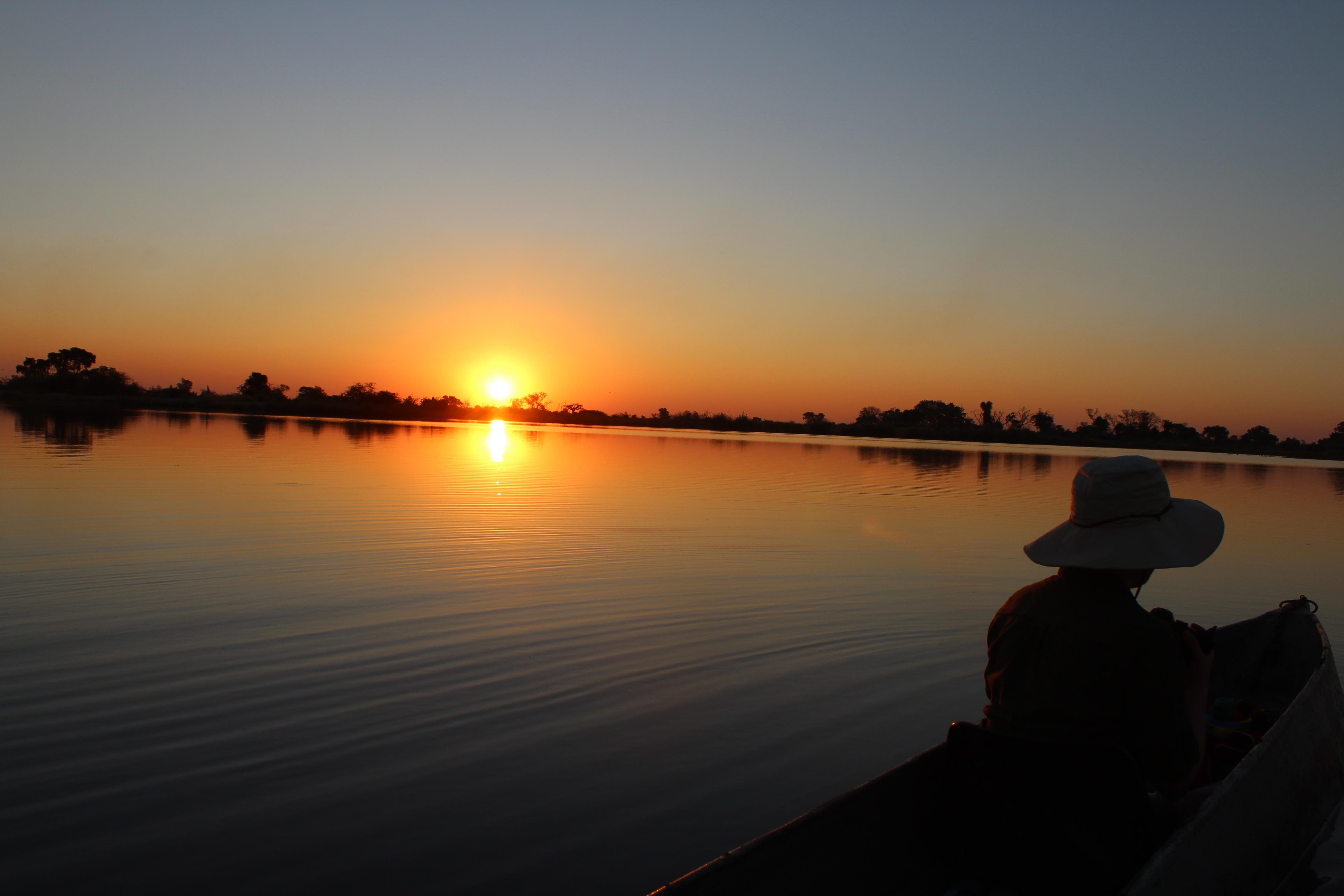
Drift through tranquil delta channels at dusk aboard a traditional fiberglass canoe with a local guide
3 days
Free Cancellation
Glide through pristine waterways by traditional canoe, trek remote islands, and swim in crystal channels
1 day (12 hours)
Free Cancellation
Experience Botswana's premier wildlife reserve on a comprehensive day safari from Maun with expert guiding
4 hours
Free Cancellation
Drift silently through pristine channels in a traditional dugout canoe, then explore a remote island on foot
1 day (12 hours)
Free Cancellation
Glide through pristine waterways in a traditional dugout canoe, spotting wildlife in Botswana's delta
Arrive at the mokoro station for a safety briefing and poler introduction.
Board the mokoro to begin your Okavango Delta canoe tour in the shallow channels.
Step onto a sandy island for a guided nature walk to track local fauna.
Navigate back through the reeds to the departure station.
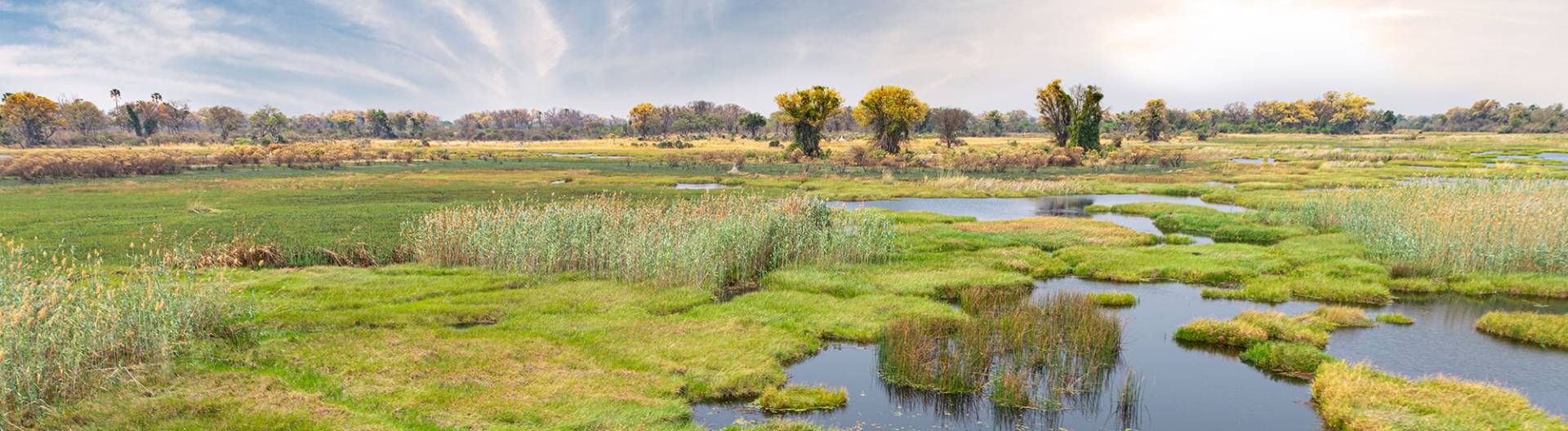
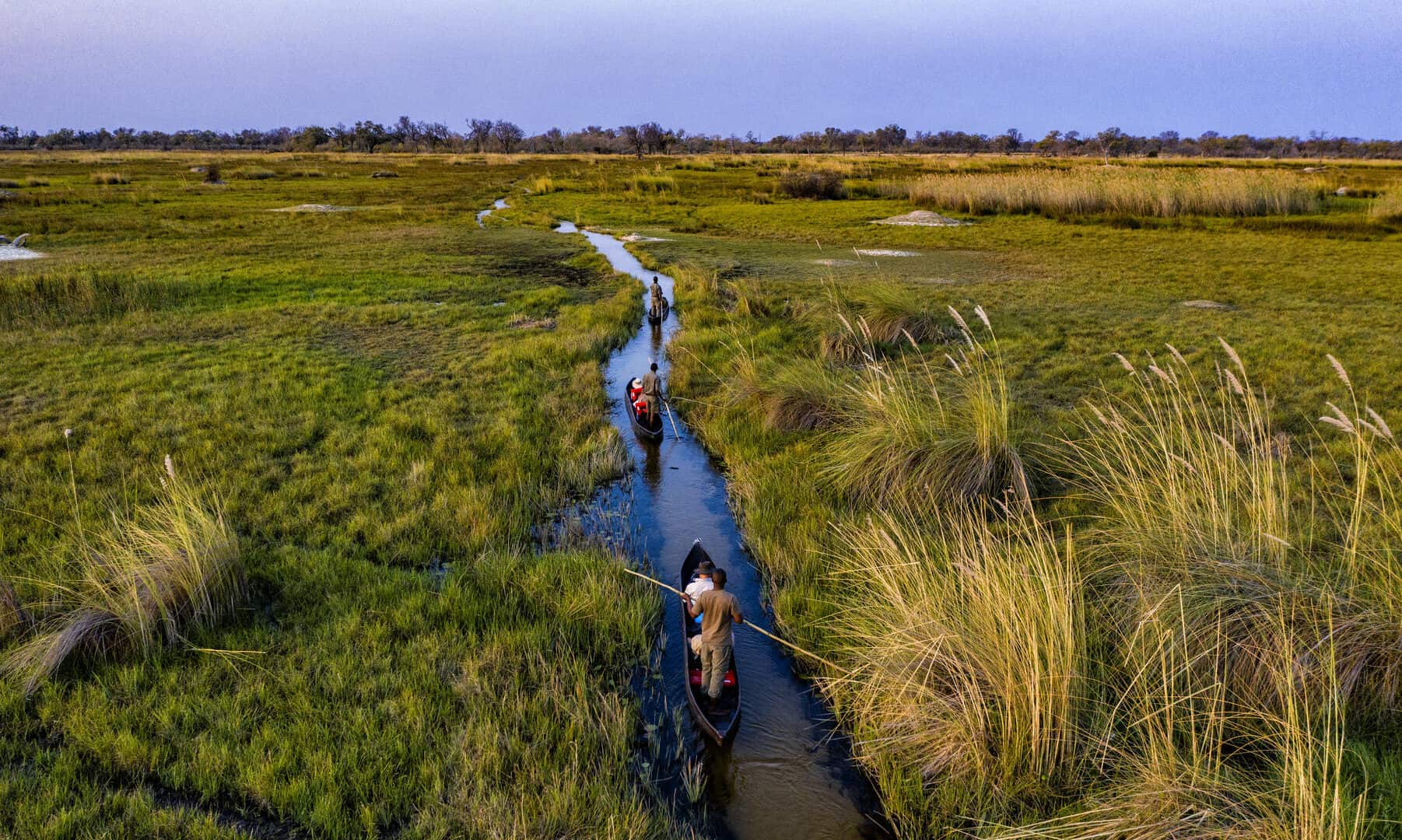
Navigate the narrow, winding waterways that define the heart of the Okavango Delta canoe tour experience. These channels are home to shy lechwe antelope and diverse lily pads.
This massive landmass acts as a dry-season refuge for countless wildlife species during the seasonal floods. It is a prime location for observing buffalo and elephant herds while on an Okavango Delta canoe tour.
This permanent body of water offers a contrast to the seasonal channels with its deep pools and bird-rich environments. It is a common stop to see hippos during an Okavango Delta canoe tour.
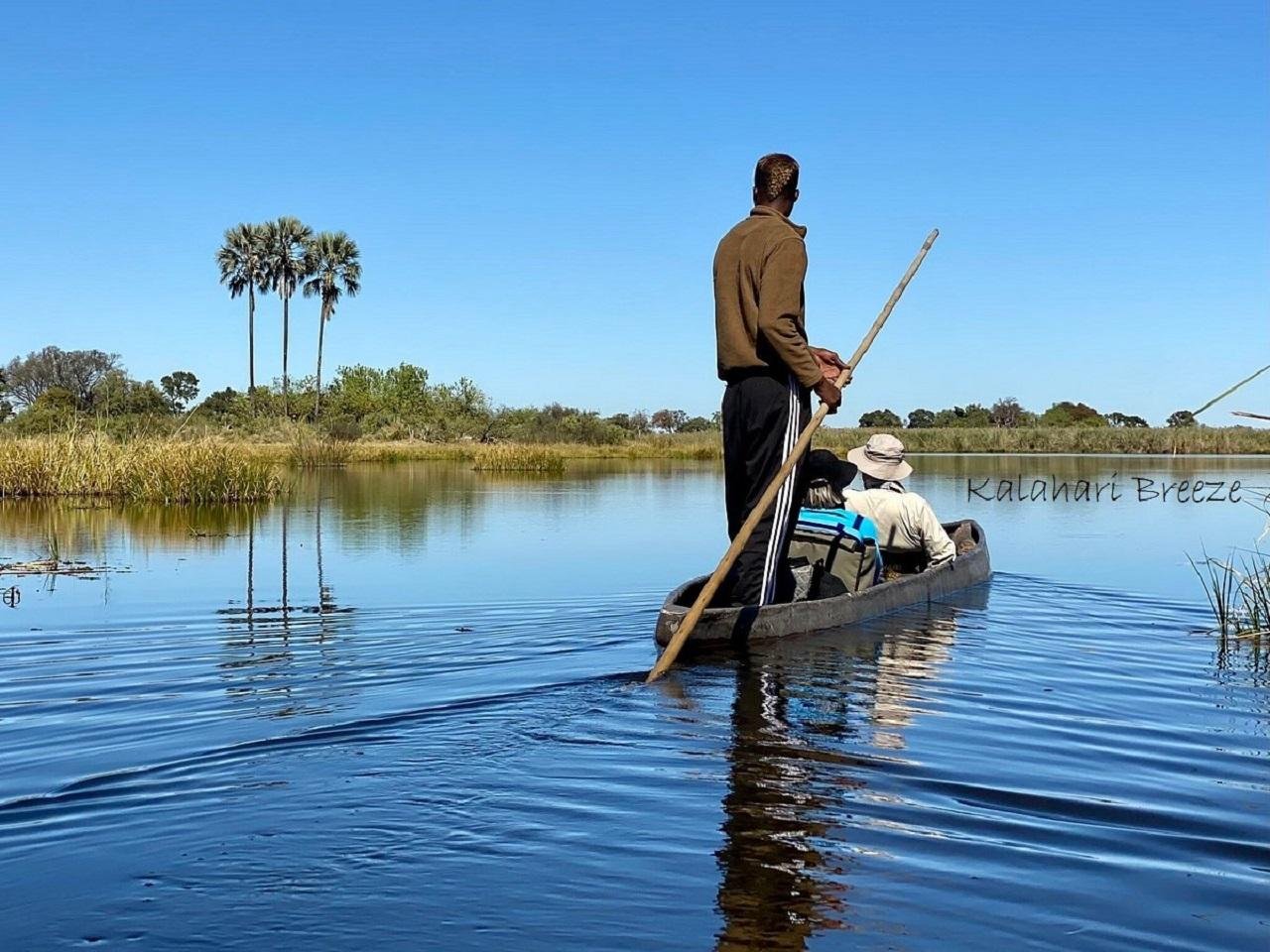
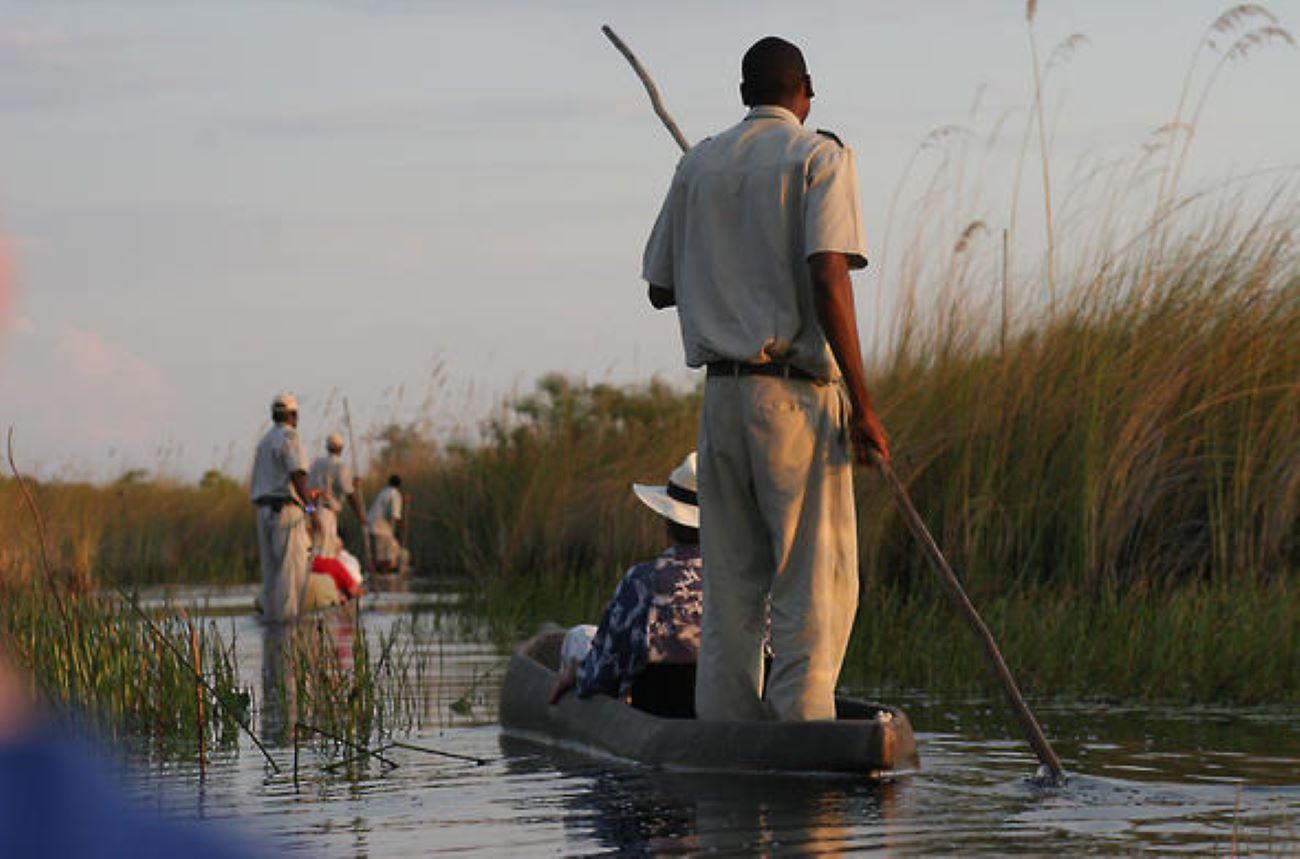
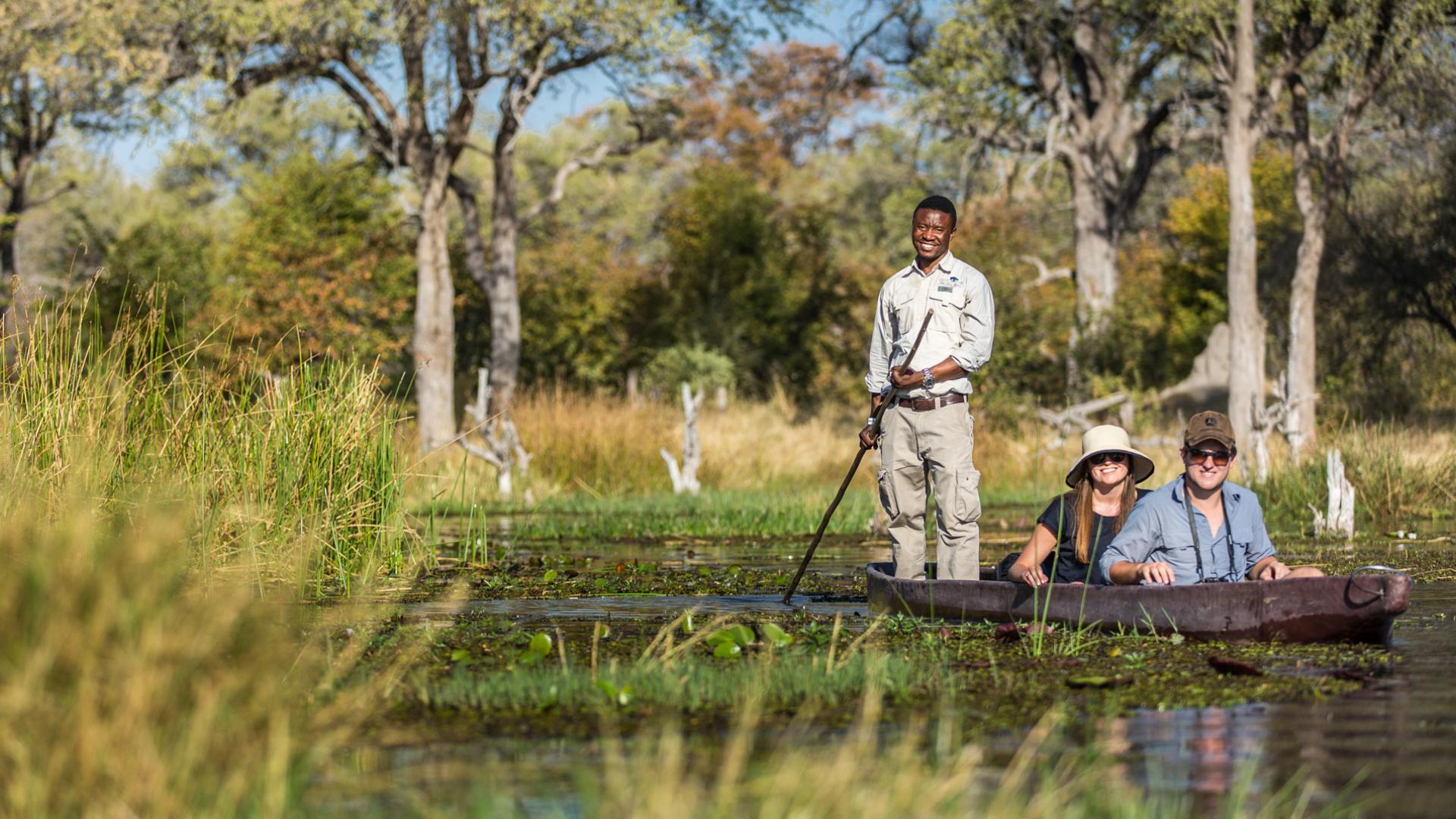
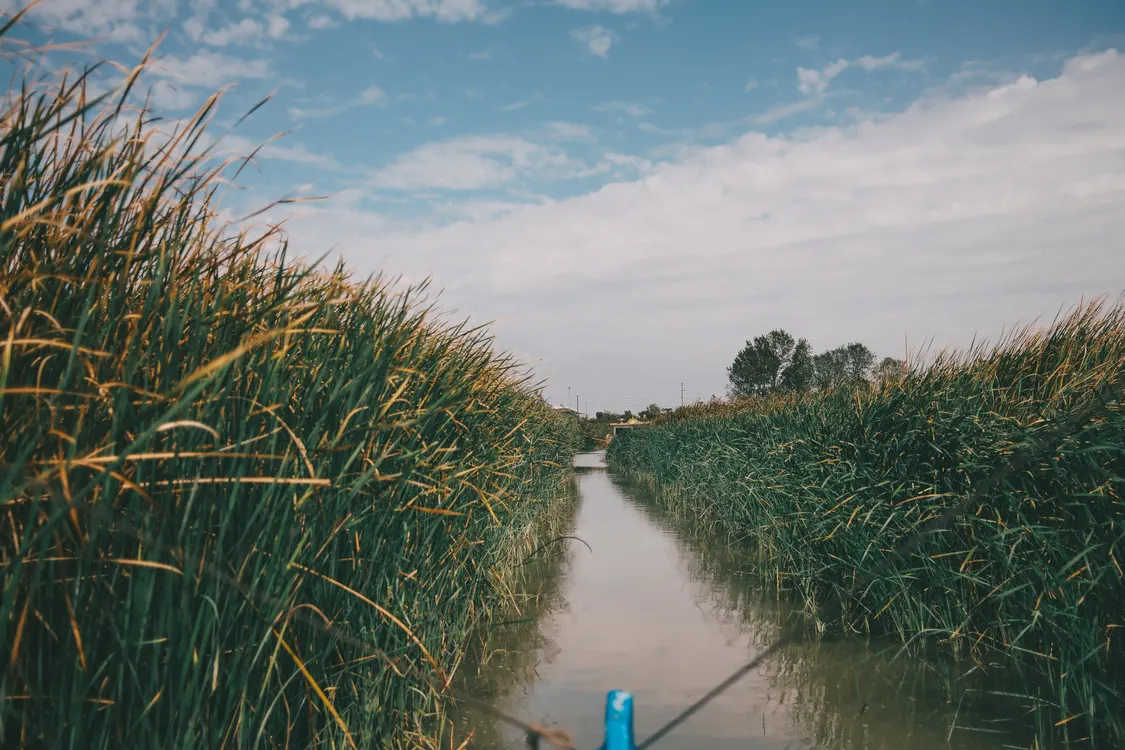
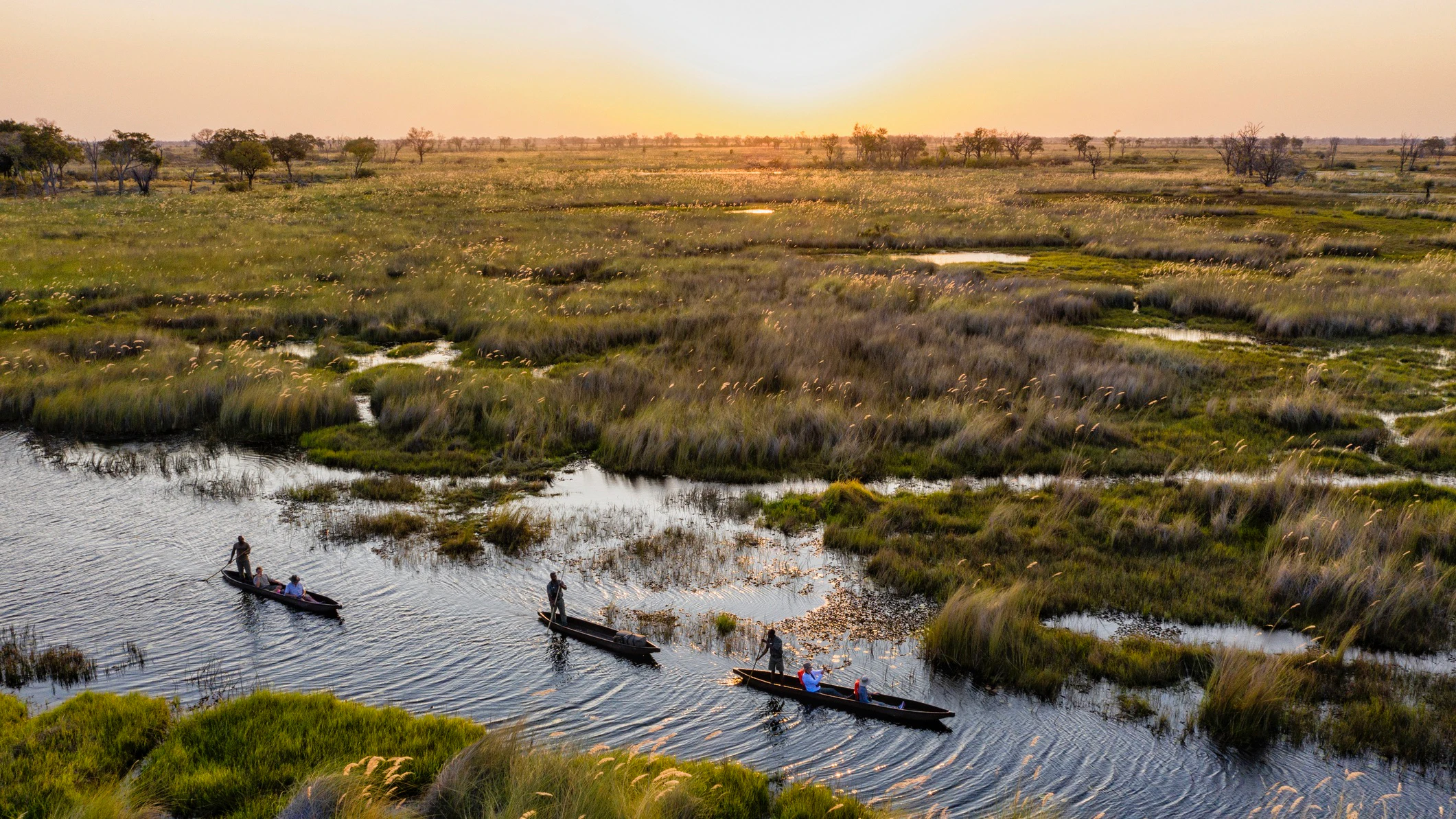
You step into the mokoro at first light, the fiberglass hull rocking gently as your poler steadies it from the stern. The channel ahead narrows into a corridor of papyrus, the seed heads bronze in the early sun.
He pushes off, the ngashi finding purchase on the sandy bottom, and the boat glides forward without a ripple. Within minutes the lodge shoreline vanishes behind a wall of reeds, and you are alone in a silent maze of water.
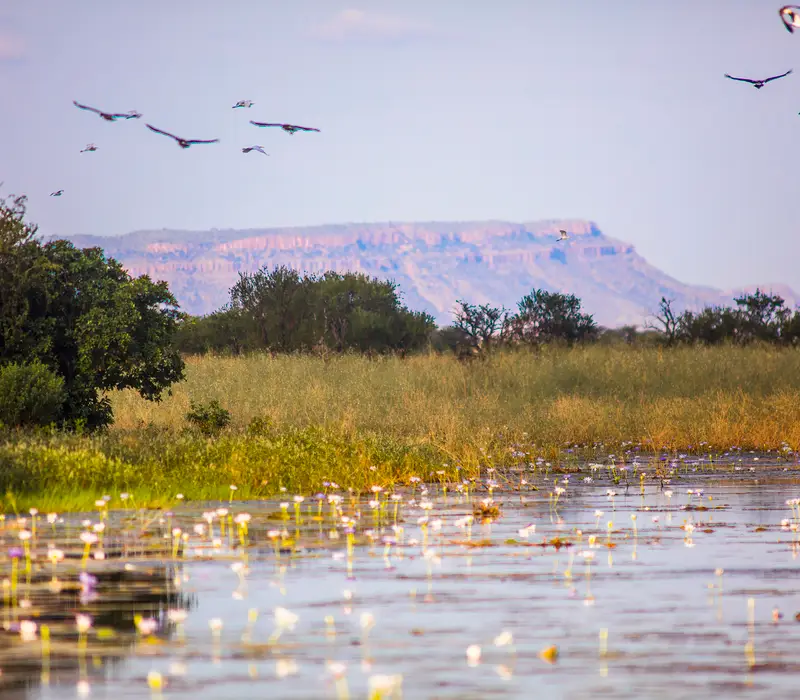
A hippo surfaces ten meters ahead, nostrils flaring, then submerges with barely a splash. Your poler angles the mokoro left, navigating by instinct through channels too shallow for any other craft. You pass beneath a canopy of wild date palms, their fronds filtering the light into shifting green bands across the water. A pair of African jacanas — their toes impossibly long — walk across lily pads as if the surface were solid ground. The poler pauses at a lagoon opening, pointing silently: a small herd of red lechwe stands knee-deep in the shallows, their chestnut coats glowing against the blue-green water.
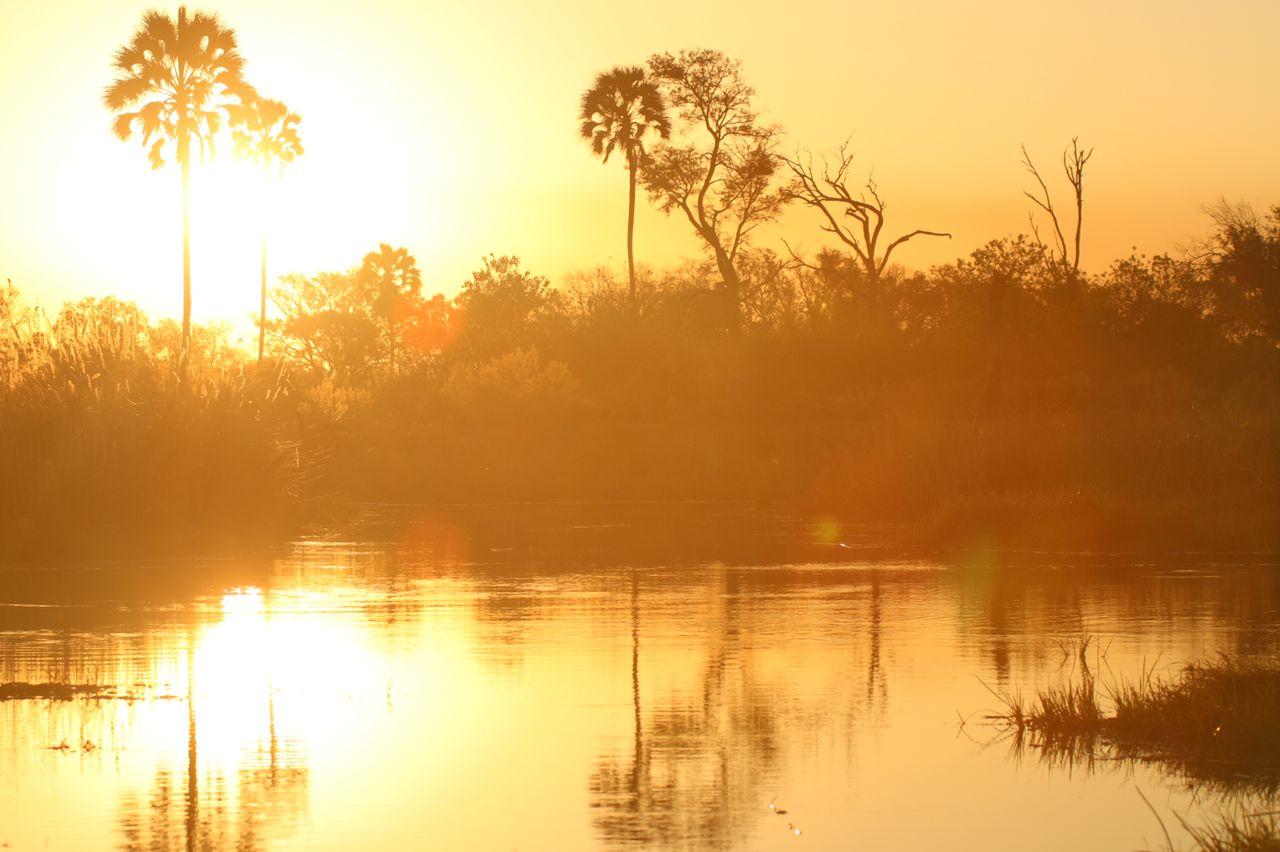
By midmorning you beach on a sand-fringed island. Baboon tracks cross the shore, and the poler leads you inland on foot, scanning for elephant spoor. You return to the mokoro an hour later, the sun higher now, the water warm to the touch. The return journey traces a different channel, this one fringed by phoenix palms and fever trees. A fish eagle calls from a dead mopane branch, its cry echoing across the floodplain.
All the details about your upcoming adventure in one place
The mokoro — a dugout canoe carved from a single sausage tree or African ebony trunk — has moved cargo, families, and fishermen across the Okavango Delta's 15,000 square kilometers of seasonal floodplain for more than a century.
Before motorboats reached Maun in the 1960s, these flat-bottomed vessels were the only viable transport through the delta's labyrinth of reed-lined channels, where water depth rarely exceeds two meters and submerged logs make propeller navigation impossible. Today the mokoro serves a quieter purpose: delivering travelers into the papyrus-fringed interior of one of Earth's last intact wetland systems, a place where lion and leopard occupy the same islands as red lechwe and sitatunga antelope.
The Okavango Delta exists because the Okavango River, born 1,300 kilometers north in Angola's central highlands, never reaches the ocean. Instead it fans across the Kalahari Basin in a vast alluvial inland delta, flooding Chief's Island, the Moremi Game Reserve, and countless smaller mopane-covered islands between March and July each year. The floodwaters arrive not from local rain — Botswana's dry season coincides with peak flooding — but from the summer rains upstream. By August the channels recede, leaving concentrations of elephant, buffalo, and hippo around permanent lagoons. This hydrological inversion makes the delta a year-round game refuge, and the mokoro canoe tour has become the definitive low-impact method for experiencing it.
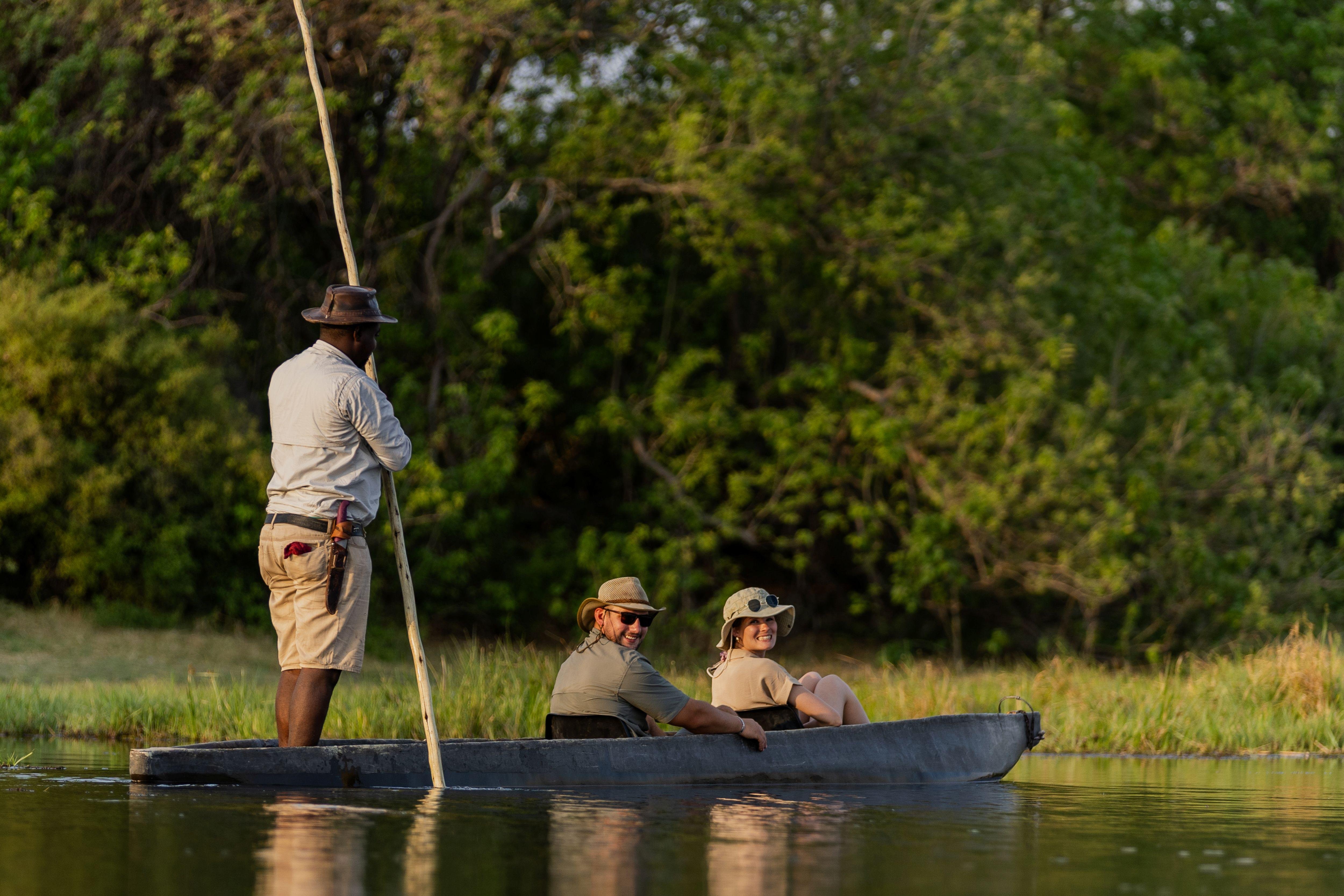
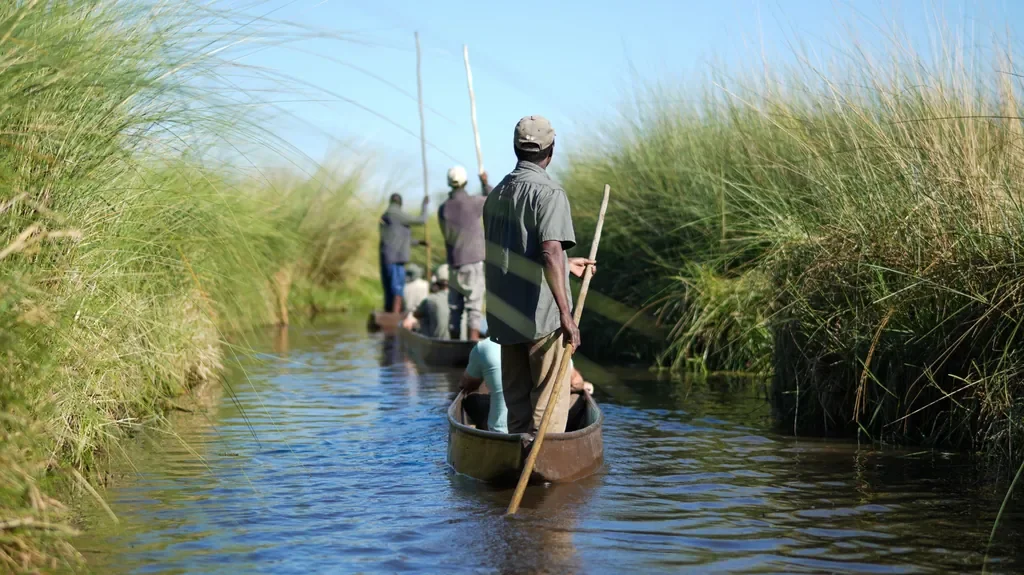
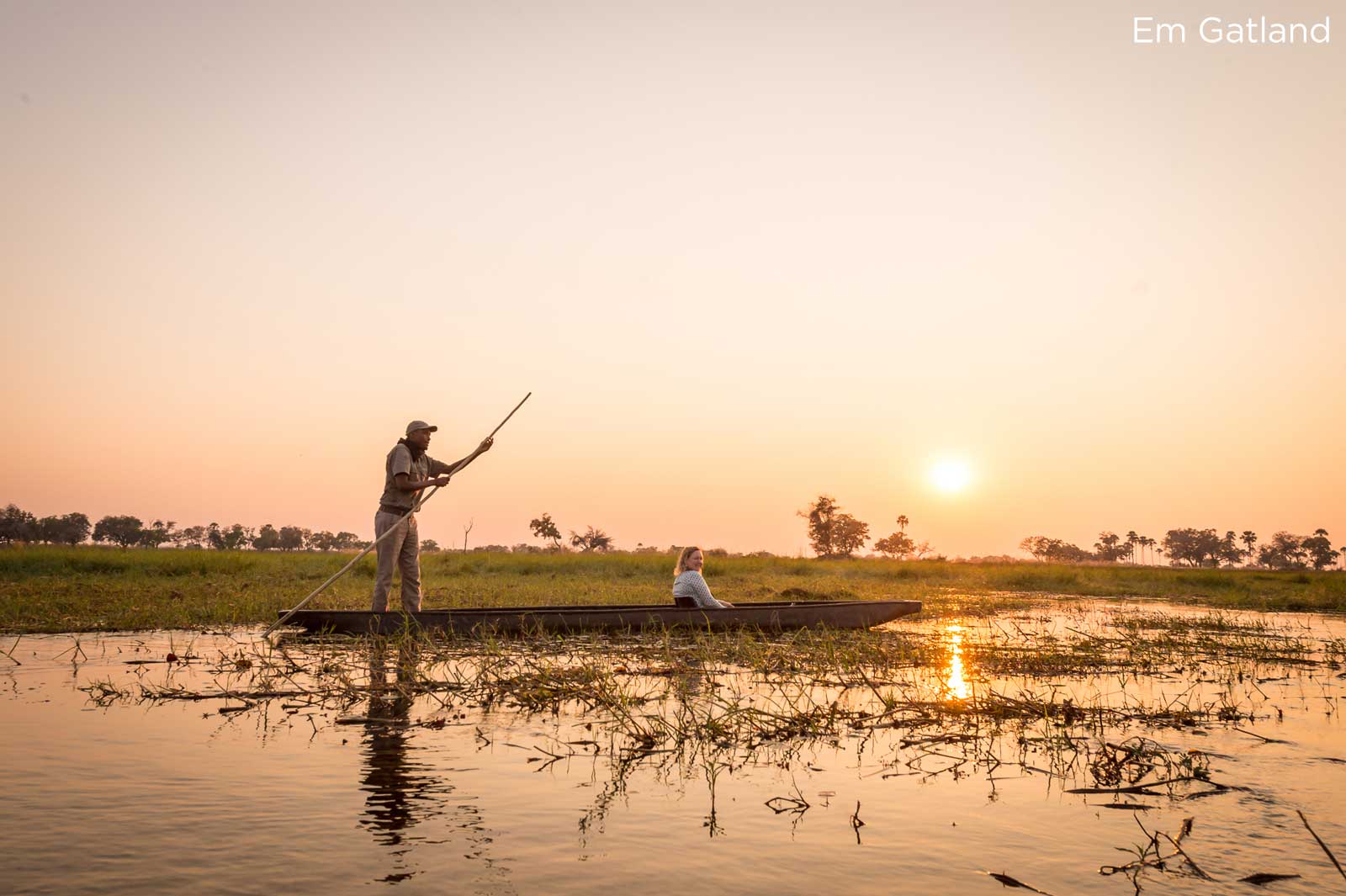
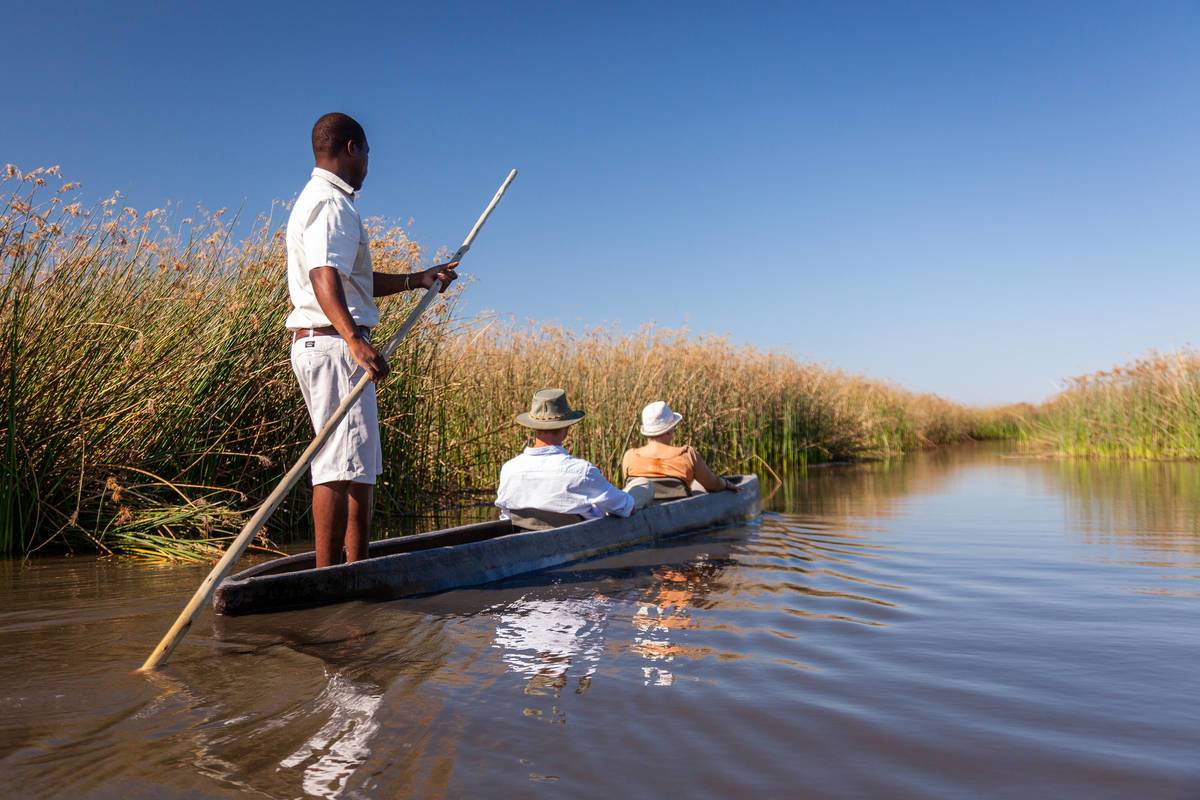
Polers stand at the stern, propelling the craft with a ngashi — a long wooden pole sharpened at one end and pushed against the sandy channel floor. The technique demands precision; a misplaced pole can startle a basking crocodile or puncture the canoe's fiberglass hull. Most contemporary mokoros are no longer carved from hardwood but molded from fiberglass, a shift driven by conservation pressure to halt the felling of old-growth sausage trees. The vessels remain silent, drawing no more than fifteen centimeters of water, and allow passengers to drift within meters of elephant browsing on the floodplain edge, malachite kingfishers darting between reed stems, and painted reed frogs clinging to lily pads. The absence of engine noise means soundscapes dominate: the rhythmic splash of the ngashi, the creak of papyrus stalks, the bark of a distant baboon troop.
The mokoro draws no more than fifteen centimeters of water, and the absence of engine noise means soundscapes dominate — the rhythmic splash of the pole, the creak of papyrus, the bark of distant baboons.
Wear neutral-colored, lightweight clothing to blend into the natural environment and minimize insect attraction. Sturdy walking shoes are recommended for the land-based portions of your Okavango Delta canoe tour excursion.
Keep all belongings in a small, soft-sided waterproof bag that fits securely between your feet in the mokoro. Avoid large suitcases or hard-shell gear which cannot be accommodated on the canoe.
Use a dry bag for all camera equipment to protect against water splashes during your Okavango Delta canoe tour. Professional tripods are difficult to stabilize in a mokoro and are generally not recommended.
Children are welcome on many Okavango Delta canoe tour tours, though specific age limits may apply depending on the operator. Life vests are provided and must be worn by all children throughout the journey.
These traditional dugout canoe tours require guests to step down into a low-sitting vessel, which may be challenging for individuals with limited mobility. Please disclose any physical requirements to your guide before beginning the Okavango Delta canoe tour.
Bring plenty of bottled water as dehydration occurs quickly in the heat of the Delta. Some full-day Okavango Delta canoe tour experiences include a picnic lunch on a remote island.
Opening Hours
06:00–18:00
Address
Okavango Delta, Ngamiland, Botswana
Accessibility
Varies by mokoro station
Best arrival
06:00–09:00
Storage
Not available at launch sites
Navigation
GPS coordinates required for remote camps
Car · 2–3 hours
Most visitors reach the Okavango Delta canoe tour access points via 4x4 vehicles from Maun.
Taxi · 3 hours · Variable
Private transfers from Maun offer a convenient but costly method to reach remote launch sites.
Full refunds are typically provided for cancellations made at least 72 hours before the scheduled Okavango Delta canoe tour. Please note that the 500 BWP daily park entry fee for the Moremi Game Reserve may be non-refundable depending on park regulations.
Recommended time
Half a day
Planning an okavango delta canoe tour requires allocating at least half a day to fully experience the serene waterways of this UNESCO heritage site. We recommend arrival between 06:00–09:00, as early morning hours offer cooler temperatures and higher wildlife activity before the midday heat. Securing okavango delta canoe tour tickets in advance ensures you can prioritize these optimal morning sessions when mokoro excursions are most tranquil. By utilizing these okavango delta canoe tour tours during quieter windows, you avoid the midday influx of visitors while maximizing sightings of wetland fauna.
Crowd levels through the day
Weather · crowds · average price — dots go green to amber to red as each metric rises.
The floodwaters are high, allowing for deeper channel navigation. This is the optimal time for a cool, comfortable Okavango Delta canoe tour.
Water levels begin to recede, providing excellent opportunities to see animals congregating near the remaining water.
The green season brings migratory birds and newborn animals to the Delta region.
Always listen to your poler regarding where to place your hands and feet inside the mokoro. They understand the river currents and wildlife behavior better than anyone else during an Okavango Delta canoe tour.
The Okavango Delta remained largely inaccessible to outsiders until the late nineteenth century, when European explorers first documented its labyrinthine channels and seasonal floods. David Livingstone passed near its southern edge in 1849, but the interior stayed unmapped for decades. Colonial-era hunters arrived in the early 1900s, using mokoro—traditional dugout canoes carved from ebony and sausage trees—to navigate the maze of papyrus-lined waterways. These craft, poled silently through shallow channels, became the foundation of what would later evolve into okavango delta canoe tour experiences. Moremi Game Reserve, established in 1963 by Botswana's Batawana people, marked a turning point. It was the first protected area in southern Africa created by an indigenous community. The reserve's creation halted unregulated hunting and opened the delta to controlled tourism. By the 1970s, safari operators began guiding visitors in mokoro, replicating centuries-old methods used by local fishermen and reed-cutters. Fiberglass hulls gradually replaced dugouts to protect tree populations, but the poling technique remained unchanged. UNESCO designated the delta a World Heritage Site in 2014, recognizing its ecological significance and the cultural continuity of its water-based traditions. Today's okavango delta canoe tour tours follow routes identical to those used by Bayei and Hambukushu communities for subsistence travel. Guides—many descended from delta-dwelling clans—pole guests past hippo pods, elephant herds wading chest-deep in channels, and red lechwe bounding through floodplains. The seasonal pulse of the delta, fed by Angola's highland rains, dictates when channels open and which islands become accessible. What began as utilitarian transport now sustains Botswana's low-volume, high-value tourism model, preserving both wilderness and livelihoods.
David Livingstone's expedition passes near the southern perimeter of the Okavango Delta, marking early European awareness of the region.
Colonial hunters adopt mokoro—dugout canoes carved from ebony and sausage trees—to access the delta's interior waterways.
Moremi Game Reserve is established by the Batawana people, becoming the first community-created protected area in southern Africa.
Safari operators begin offering guided mokoro journeys, adapting traditional poling techniques for tourism while retaining cultural authenticity.
UNESCO inscribes the Okavango Delta as a World Heritage Site, recognizing its ecological and cultural significance.
Fiberglass mokoro replace most dugouts to conserve tree populations, though traditional poling methods and routes remain unchanged.
Position your camera low at the water level to capture the reflection of the papyrus reeds against the sky during your okavango delta canoe tour.
This vantage point offers a panoramic view of the floodplain, perfect for wide-angle shots of the horizon and wading birds.
Focus on the water lilies and aquatic vegetation from the edge of the mokoro to highlight the intricate details of the wetland ecosystem on these okavango delta canoe tour tours.
Stand on the edge of the terminal island to photograph wildlife moving through the shallow water, utilizing the mokoro as a steady platform for these okavango delta canoe tour tour experiences.
Use this location to frame the ancient trees against the expansive delta backdrop, an essential stop for travelers using their okavango delta canoe tour tickets.
Exploring the waterways on an okavango delta canoe tour provides children a unique perspective of Botswana's rich biodiversity. Navigating the quiet channels allows families to observe aquatic life in a calm, immersive environment.
Strollers are not practical on traditional mokoro vessels; bring a soft-structured baby carrier for younger children. The terrain at the launch points in the Okavango Delta, Ngamiland, Botswana consists of uneven sand and tall grasses
There are no baby-change facilities or specialized infrastructure in the wild bush areas, so please plan accordingly. You must bring all necessary supplies for your okavango delta canoe tour tours with you in a waterproof bag
This experience is best suited for school-aged children who can sit quietly for extended periods to avoid disturbing the wildlife. Younger children may find the narrow wooden craft challenging during an okavango delta canoe tour tour
To maximize your chances of seeing animals, aim for the best arrival window of 06:00–09:00. These early hours offer cooler temperatures, which helps keep children comfortable compared to the midday heat
The daily park entry fee is 500 BWP per foreign adult for Moremi Game Reserve, which is often managed separately from your booking for okavango delta canoe tour tickets. Confirm if your operator includes these fees in your final package price.
Dining options near an okavango delta canoe tour are extremely limited, as most visitors rely on lodge-provided meals or pre-packed supplies when exploring the Moremi Game Reserve. Since there are no commercial restaurants on-site, travelers often prioritize securing their okavango delta canoe tour tickets alongside full-board accommodation packages.
This venue offers tailored meals for guests, focusing on fresh ingredients suited for those embarking on an okavango delta canoe tour tour.
Everything you need to know for your journey
The Delta is accessible between 06:00–18:00 daily for visitors. Early morning hours are the best time to begin your Okavango Delta canoe tour.
Yes, the entrance fee is 500 BWP per foreign adult for the Moremi Game Reserve. Ensure you have this amount ready upon entry.
Yes, an Okavango Delta canoe tour is a unique experience, provided children follow safety instructions and wear provided life vests. Always verify specific operator age policies before booking.
Bring a hat, sunscreen, binoculars, and a waterproof bag for your electronics. Protecting gear from water is essential on any Okavango Delta canoe tour.
It is recommended to book in advance for the peak flood season, which occurs June through August. High demand makes securing Okavango Delta canoe tour tickets early a wise choice.
Yes, you are encouraged to take photos of the landscape and wildlife during your Okavango Delta canoe tour. Keep your equipment in a dry bag when not in use.
Most travelers reach the launch points by 4x4 vehicles from Maun between 06:00–09:00. This arrival window ensures you avoid the midday heat.
While most operators accept children, you should confirm the minimum age with the specific provider. Safety remains the priority for every Okavango Delta canoe tour.
Cancellations are subject to the specific operator policy, but typically require 72 hours notice for a full refund. Check your booking details regarding the 500 BWP entry fee requirements.
Extensive wilderness area home to diverse wildlife and varied ecosystems.
Standard riverside accommodation located in the primary gateway town.
Join thousands of happy travelers who have discovered this incredible experience
Book Your Experience Now