9 hr
Full-Day Mokoro Canoe & Walking Safari in Okavango Delta
- Expert local guide
- Small group
- Skip-the-line access
- Free cancellation
Okavango Delta Mokoro Trip — Canoe Safaris & Island Walks
Glide through papyrus channels in a poled dugout, footsteps quiet on delta sand.
Compare fares, pick the fit — all bookings are mobile-voucher and eligible for free cancellation where shown.
9 hr
24 hr
24 hr
Selecting the right okavango delta mokoro trip requires deciding between a quick day excursion or an immersive multi-day camping adventure. These traditional canoe tours provide a silent, low-impact way to explore the region's vast wetlands and winding water channels.
| Day Trip Full-Day Experience |
Top pick Overnight Safari Multi-Day Camping |
|
|---|---|---|
| Duration | 8–9 hours | 2–3 days |
| Access Method | Guided Poling | Guided Poling & Walking |
| Included Meals | Lunch | All meals provided |
| Accommodations | None (Return to Maun/Lodge) | Wild island camping |
| Best for | First-timers with limited time | Immersive nature enthusiasts |
| See tickets & prices |
Verdict: Choose the day trip if you are based in a local lodge, or opt for the overnight okavango delta mokoro trip tour for a deep dive into the heart of the reserve.
Worth it for wildlife lovers seeking intimacy
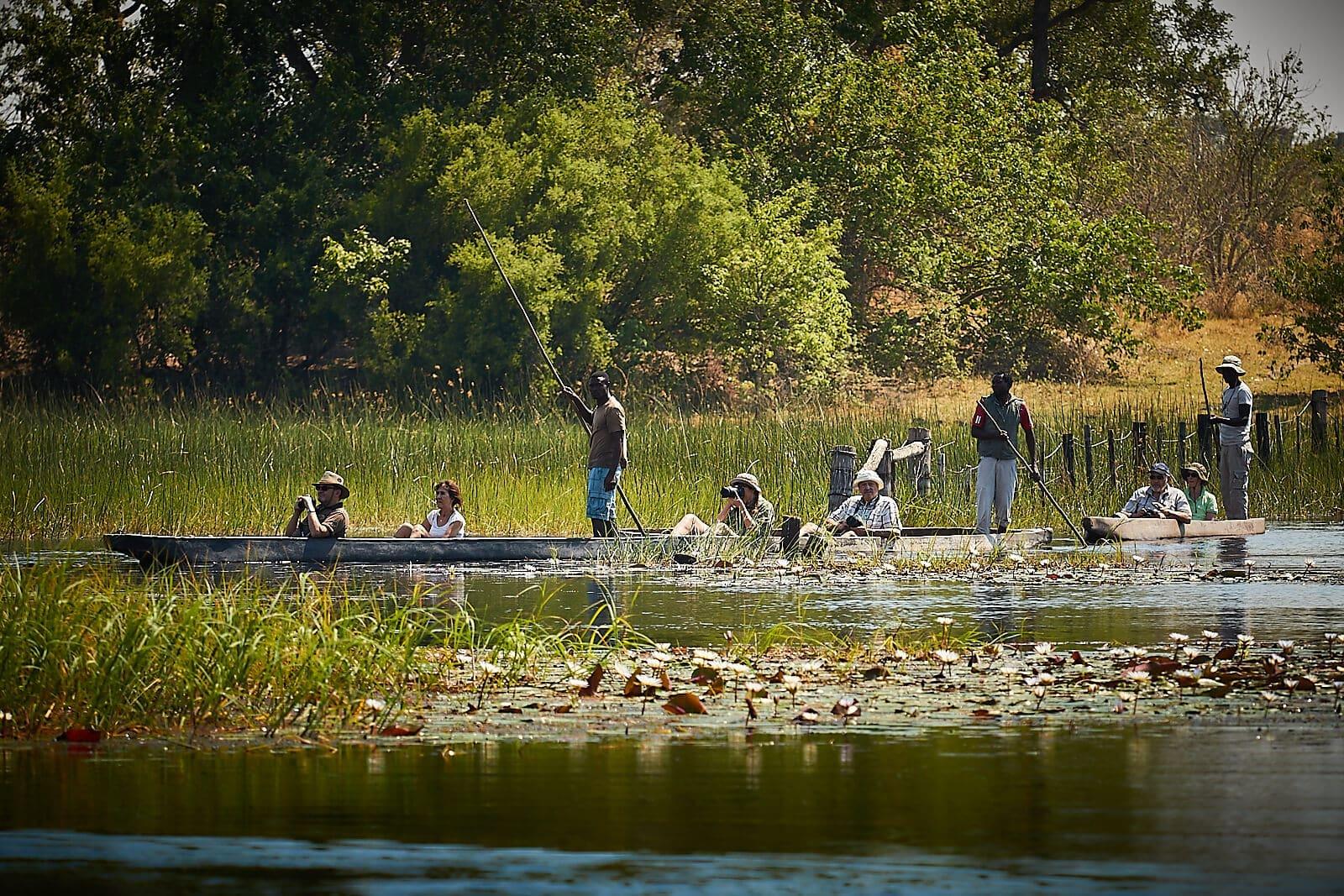
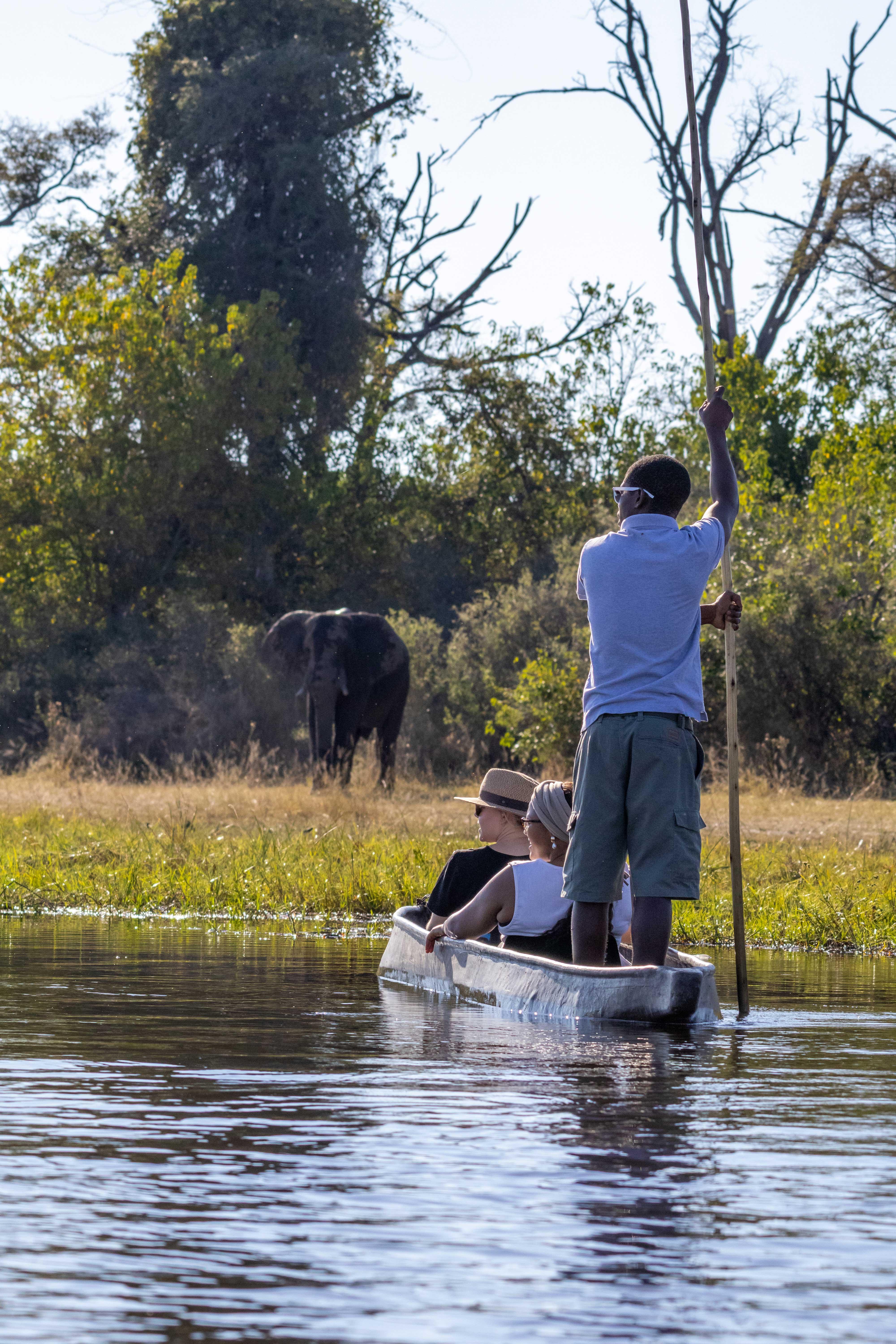
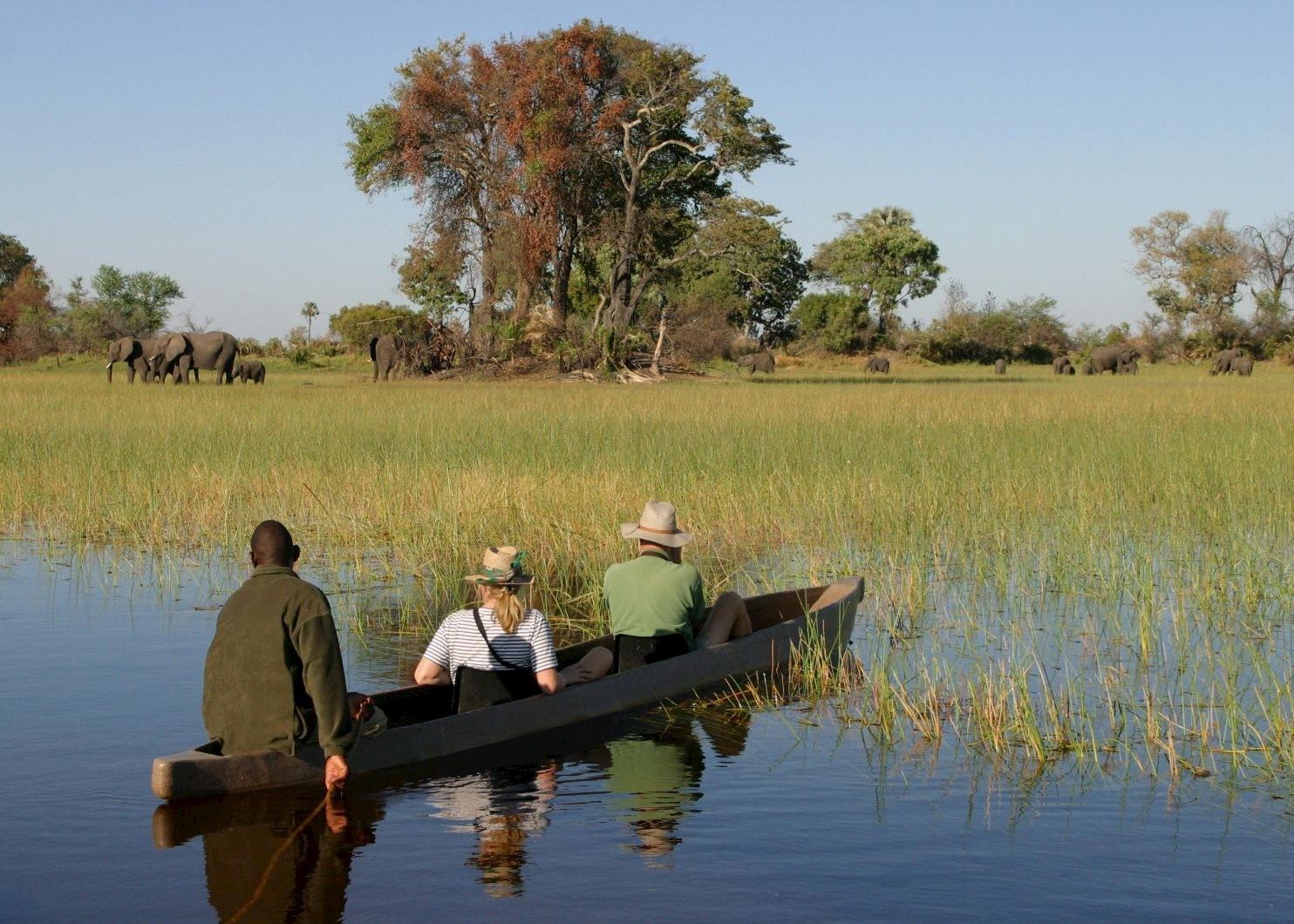
An Okavango Delta mokoro trip delivers something motorized safaris cannot: silent passage through narrow channels where dugout canoes glide within meters of feeding elephants, basking hippos, and wading birds. The 270 BWP Moremi Game Reserve entry fee applies across all safari types, so the mokoro's value lies in its unique vantage—polers navigate shallow floodplains inaccessible to vehicles, and the absence of engine noise allows close wildlife encounters without disturbing natural behavior. Full-day mokoro canoe tours pair water crossings with guided island walks, layering aquatic and terrestrial perspectives. This is worth the cost for travelers prioritizing connection over speed: you trade game-drive distance for proximity, reading animal tracks in sand and hearing reed frogs at arm's length. The pace rewards patience—mokoro safaris move slowly, covering less ground than vehicle-based alternatives. Photographers gain low-angle water reflections and unobstructed sightlines, while the poler's skill in reading channels and wildlife movement turns the journey itself into cultural immersion. Skip it if you want big-cat guarantees or dislike long stretches of quiet observation.
Bottom line: The mokoro's intimacy and access justify the Moremi entry fee for travelers valuing proximity over ground covered.
They complement each other; most visitors who do both call the motorized boat safari better for covering distance, while the okavango delta mokoro trip provides a more immersive, tranquil encounter with nature.
|
Top pick Mokoro Trip |
Motorized Boat Safari | |
|---|---|---|
| Speed | Very slow | High speed |
| Noise Level | Silent | Engine noise present |
| Wildlife Proximity | Close to water level | Moderate distance |
| Access to Shallow Channels | Excellent | Limited to deeper channels |
| Environmental Impact | Minimal | Higher carbon footprint |
| Physical Comfort | Basic floor seating | Padded seat options |
| See tickets & prices |
Verdict: Select the mokoro for peaceful birdwatching in the reeds, or choose motorized okavango delta mokoro trip tours when you need to reach diverse habitats quickly.
Hand-picked experiences loved by thousands of travelers
8 hours
Free Cancellation
Paddle traditional dugout canoes through crystal channels, then explore Delta islands on foot
6 hours
Free Cancellation
Paddle traditional dugout canoes through pristine channels, then explore a delta island on foot
1 hour
Free Cancellation
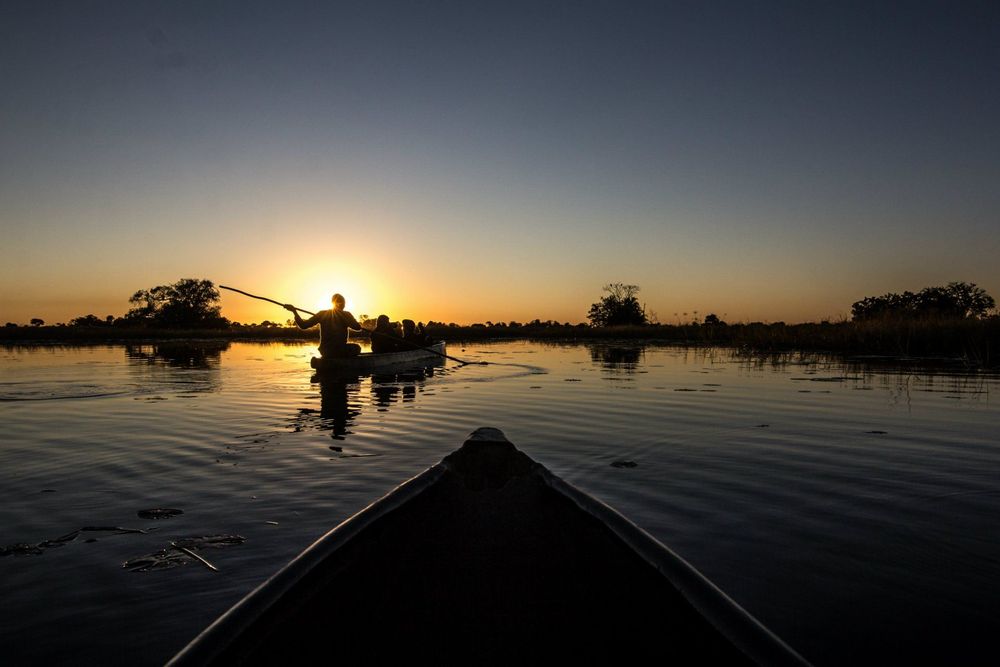
Paddle through tranquil delta channels at dusk aboard a handcrafted mokoro with a guide raised on these waters.
1 day (approximately 12 hours)
Free Cancellation
Glide through pristine waterways in a traditional dugout canoe, spotting wildlife in Botswana's iconic delta
4 hours
Free Cancellation
Drift silently through UNESCO-protected waterways in a traditional canoe, then walk a remote island
3 days
Free Cancellation
Paddle traditional dugout canoes, trek remote islands, and swim in crystal-clear channels
3.5 hours
Combine aerial views and traditional canoe exploration in the heart of the Okavango wetlands
45 minutes
Free Cancellation
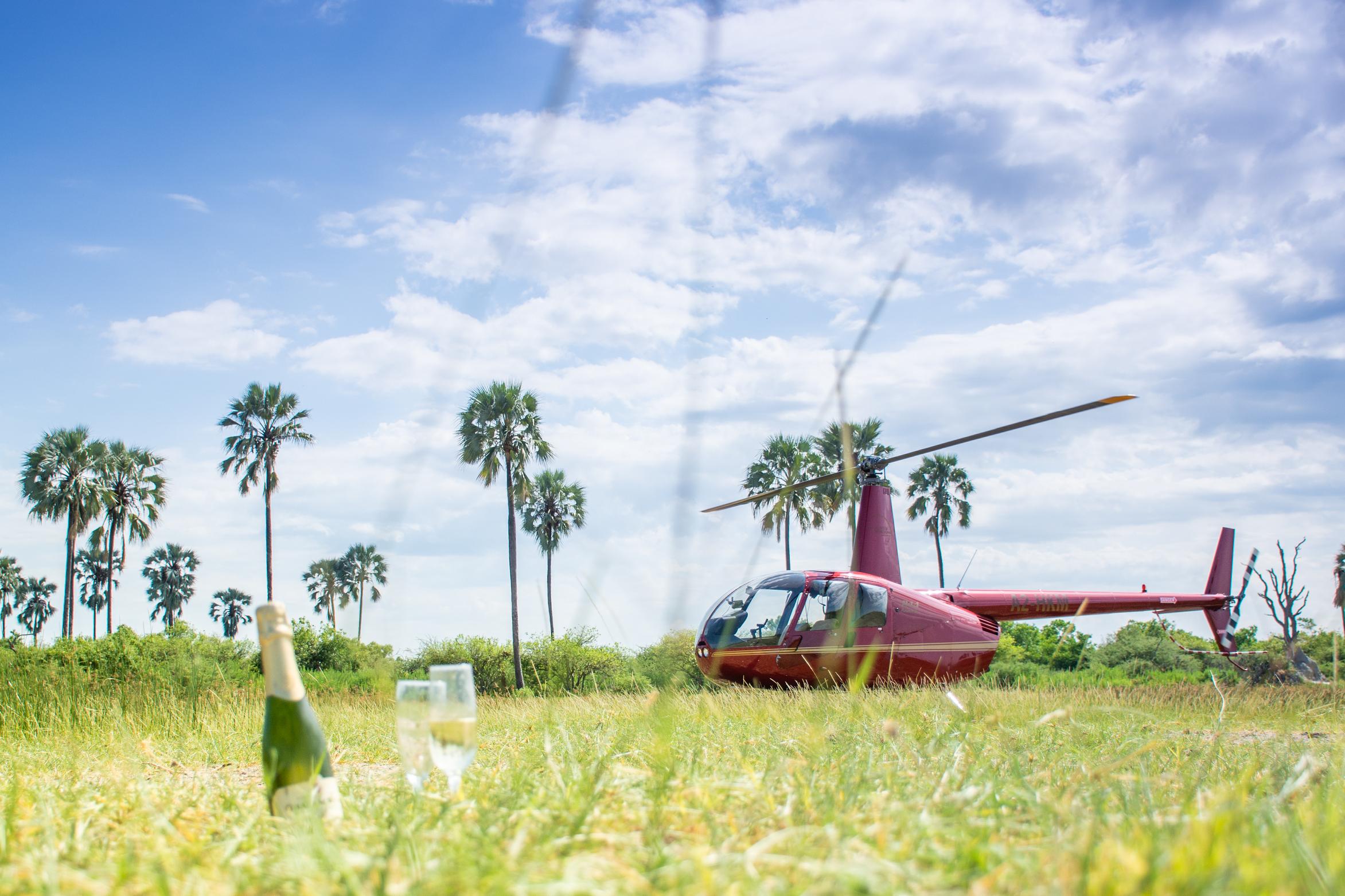
Soar above Africa's wetland jewel on an exclusive aerial safari with hotel pickup included
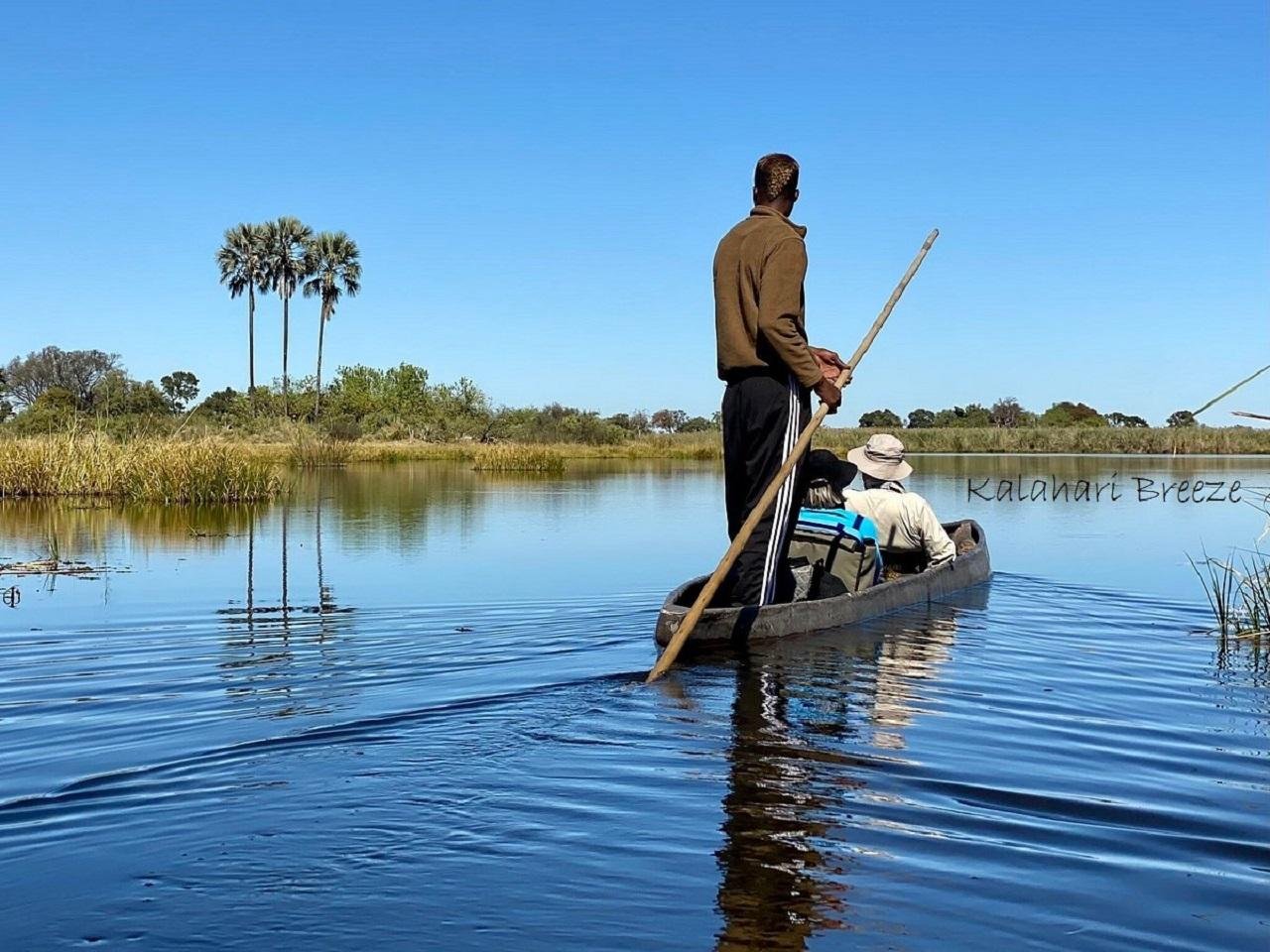
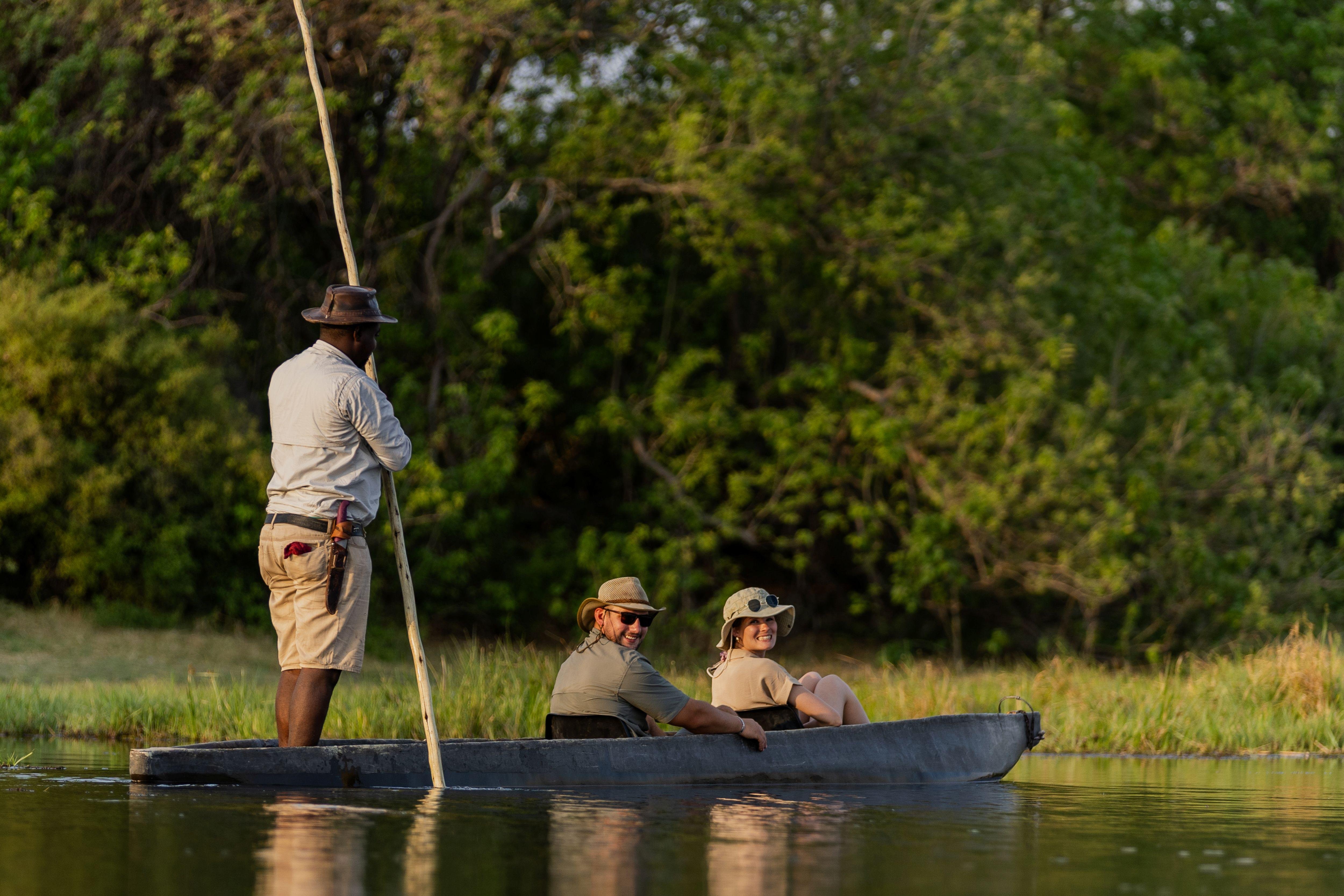
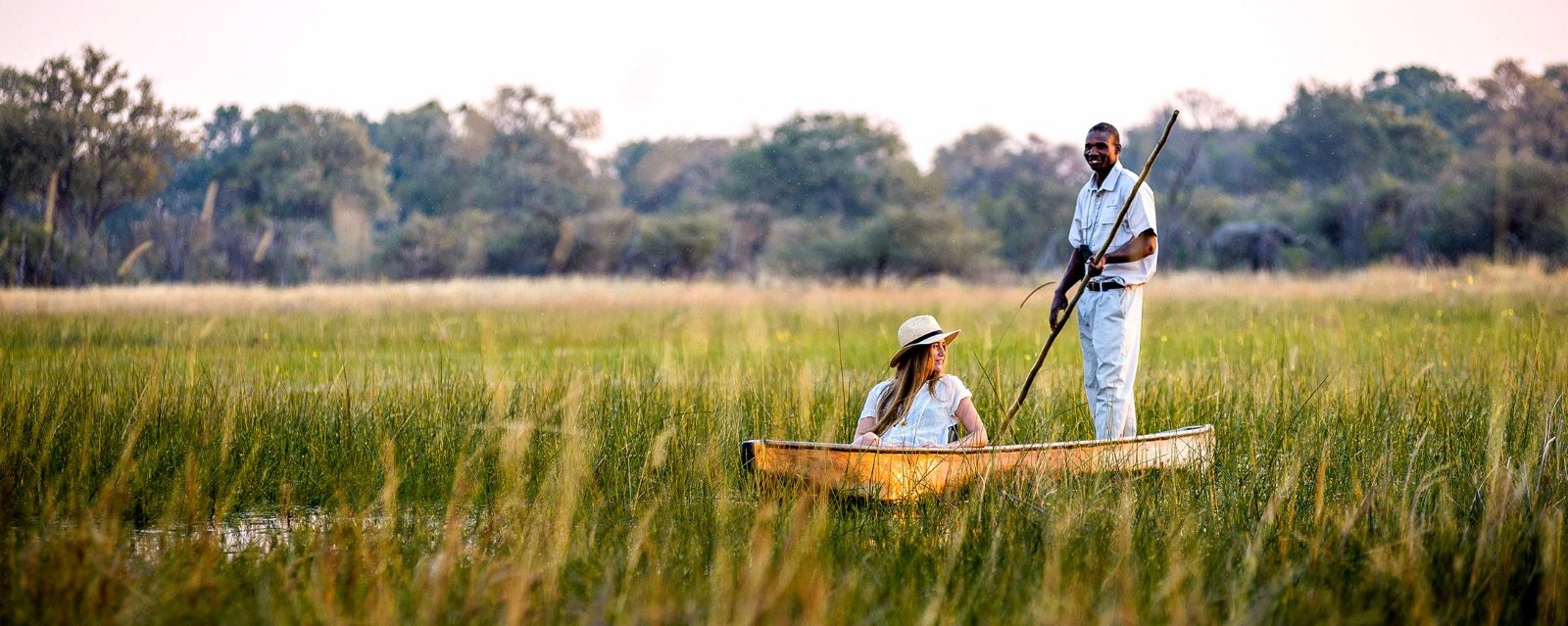
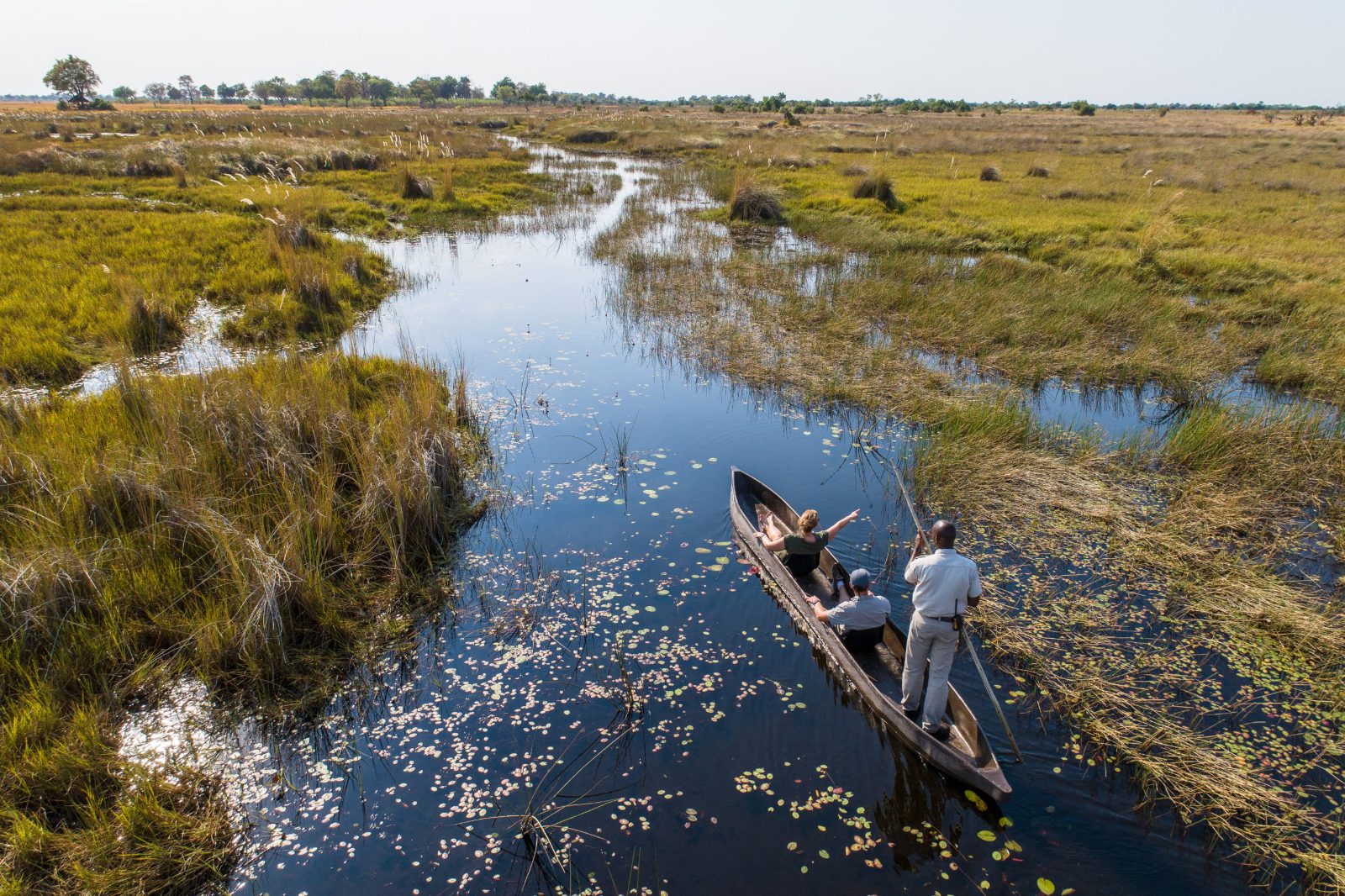
You meet your poler at the mokoro launch site just after six in the morning, when the delta is still cool and mist hangs over the reed beds. The canoe is longer than you expected—four and a half metres of grey-brown wood, hollowed and smoothed, with a flat stern platform where your guide stands.
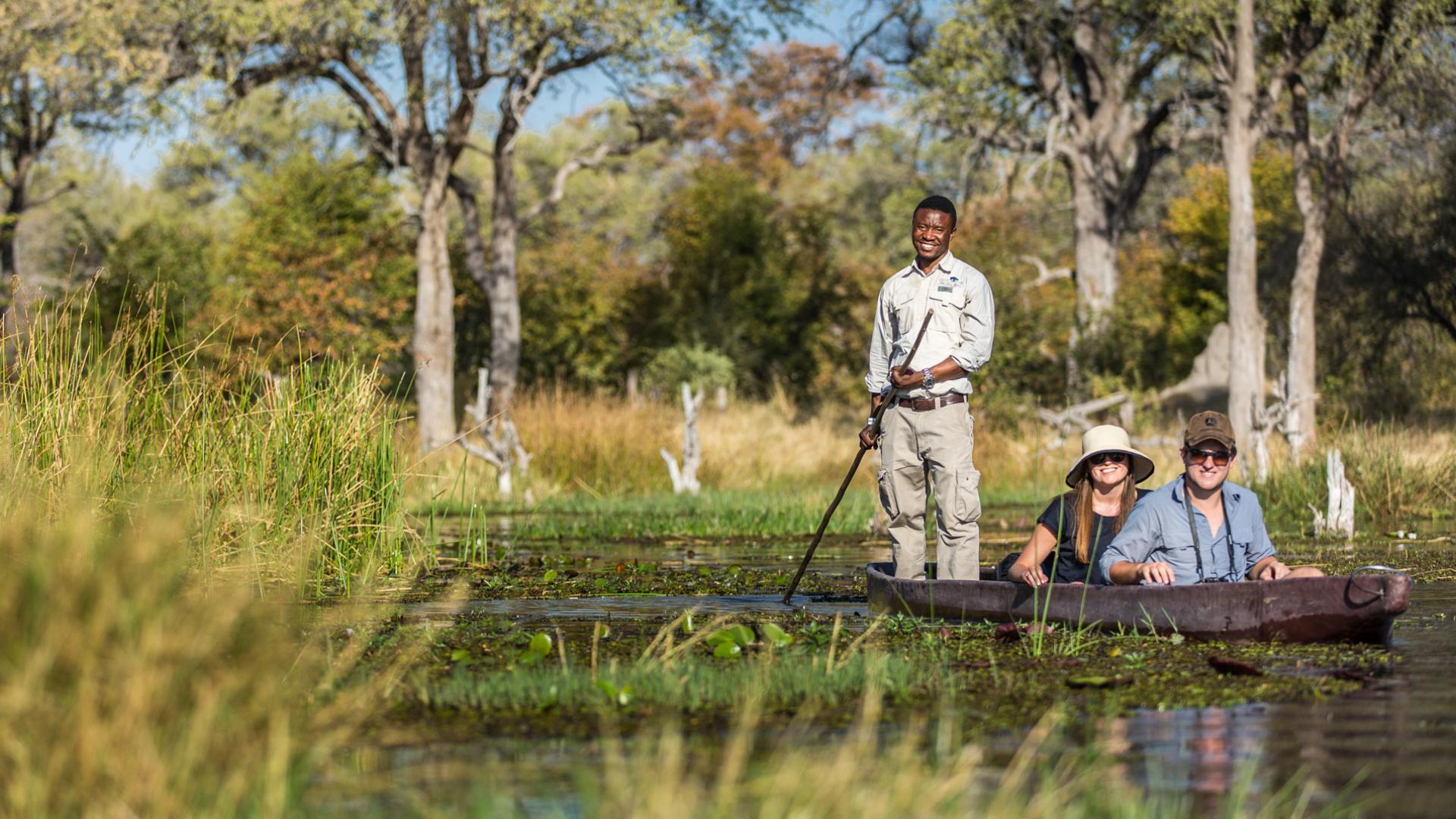
You settle onto a low cushioned seat near the bow, knees bent, the gunwales level with your elbows. The ngashi pole pushes off with a muted scrape, and the mokoro glides forward into a channel fringed by papyrus twice your height.
Your poler reads the water in silence, steering around submerged roots and choosing passages where the current is gentlest. You pass a pod of hippos submerged to their eyes thirty metres to your left; the poler holds the mokoro steady and lets the current carry you past without a sound. A fish eagle lifts from a dead tree ahead, wings spanning a metre and a half. After ninety minutes you reach a palm island and step onto firm sand for the walking portion of the safari. Your guide points out fresh impala tracks, a line of weaver nests suspended from an acacia, and a lilac-breasted roller perched on a termite mound. You return to the mokoro at mid-morning, the sun higher now, and pole back through a different route where lechwe graze in the shallows and dragonflies hover above the lily pads.
All the details about your upcoming adventure in one place
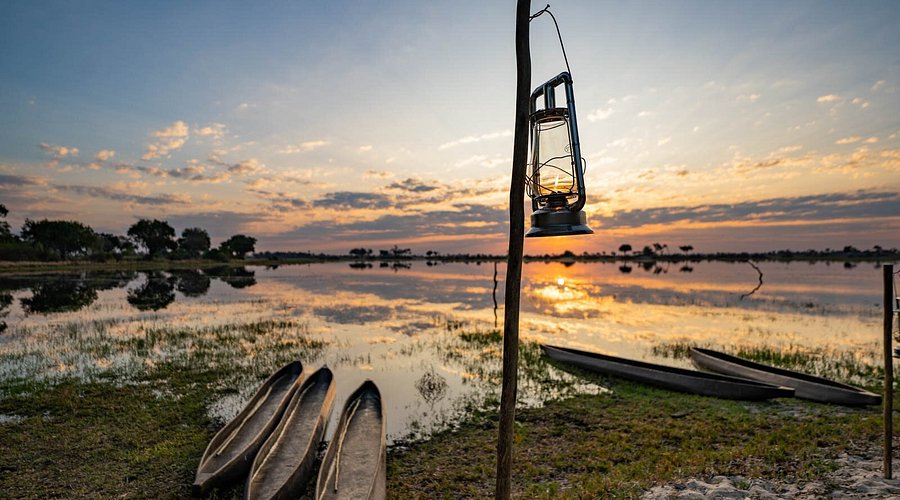
A mokoro is carved from a single sausage tree trunk, weighs more than ninety kilograms when dry, and draws less than fifteen centimetres of water when loaded with two passengers and a poler.
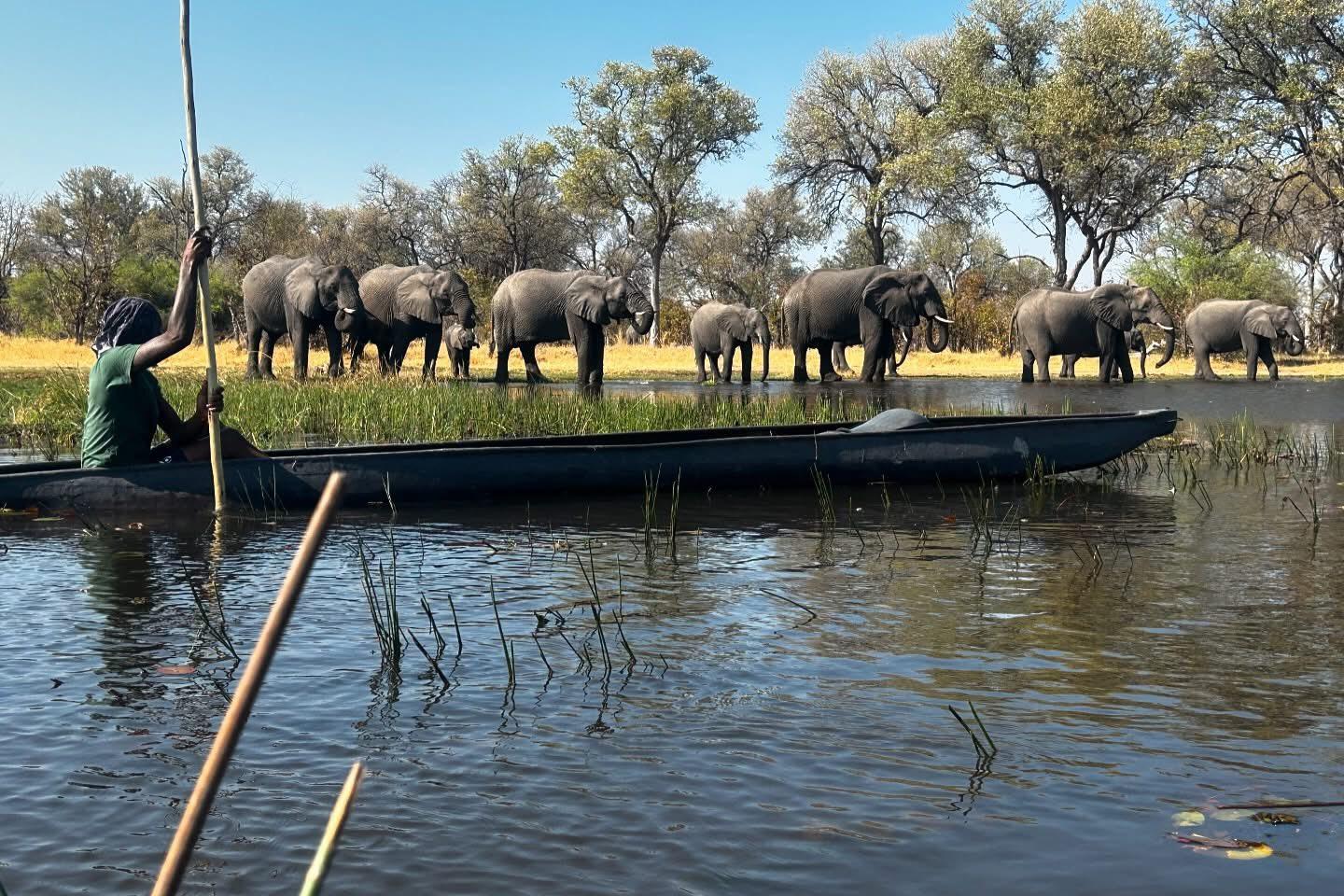
For centuries the craft served as the only viable transport through the Okavango Delta's labyrinth of channels, ox-bows, and seasonal floodplains, silent enough to approach elephant herds drinking at the verge and stable enough to navigate reed beds where motorboats cannot reach. The delta itself is a tectonic anomaly: the Okavango River rises in Angola's central highlands, flows south-east across Namibia's Caprivi Strip, then fans across Botswana's Kalahari sands in a sixteen-thousand-square-kilometre inland delta that never meets the sea. Annual floods peak between June and August, three months after the rains end upstream, transforming dry grassland into a mosaic of permanent swamp, seasonal pools, and palm-fringed islands.
Today an okavango delta mokoro trip remains the quietest way to observe the delta's fauna at eye level. Polers—many of them third-generation guides from villages along the panhandle—stand at the stern and propel the canoe with a ngashi pole cut from silver terminalia or African ebony, reading water depth by reed density and current by the flex of papyrus stems. The Moremi Game Reserve, gazetted in 1963 as Africa's first conservation area established by an indigenous community, covers nearly five thousand square kilometres of the eastern delta and hosts year-round populations of lechwe, sitatunga, reedbuck, and tsessebe. Mokoro excursions into Moremi typically combine two to three hours of poled navigation with a guided island walk, the landing sites chosen for their proximity to hippo pools, heronry colonies, or recent leopard tracks pressed into alluvial mud.
The delta supports four hundred and eighty recorded bird species, including African skimmers that nest on exposed sandbars during low water, malachite kingfishers that dive from reed perches, and lesser jacanas that walk across lily pads on elongated toes. Fish eagles call from dead leadwood snags; bee-eaters excavate tunnel nests in the banks of deeper channels. Water levels dictate which routes remain passable: by November, as floodwaters recede, some channels close entirely and mokoro routes shift toward the permanent swamp. The delta's isolation and seasonal inaccessibility have preserved its ecology; vehicle access is restricted, and most commercial operators launch mokoro safaris from semi-permanent camps on the delta fringe, where the transition from dryland mopane woodland to aquatic grassland occurs within a few hundred metres.
A mokoro draws less than fifteen centimetres of water when loaded, silent enough to approach elephant herds drinking at the verge.
Wear neutral-colored, breathable clothing to blend into the environment and minimize insect attraction. Layers are essential for early morning Okavango Delta mokoro trip departures.
Soft-sided bags are mandatory for light aircraft transfers to reach an Okavango Delta mokoro trip base. Security relies on remote location isolation.
Protect equipment from dust and water spray during your Okavango Delta mokoro trip. Use a dry bag and ensure lenses are stable.
Children must be able to sit still for extended periods to ensure safety during an Okavango Delta mokoro trip. Minimum age requirements are strictly enforced by most operators.
Navigating a mokoro requires moderate physical mobility to enter and exit the low-profile dugout canoe. Consult your operator regarding specific Okavango Delta mokoro trip tour physical requirements.
Carry sufficient water and snacks as specified by your Okavango Delta mokoro trip operator. Facilities are non-existent once you leave the camp.
Opening Hours
06:00–18:30
Address
Okavango Delta, North-West District, Botswana
Accessibility
Varies by camp and mokoro operator
Best Arrival
06:00–08:00
Storage
Not available at remote launch sites
Navigation
GPS coordinates required for bush strips
Taxi · 60–120 min · Varies
Maun offers private transfers to local launch points
Plane · 30–60 min · High
Light aircraft transfers are required to reach deep Delta camps
Operators typically require 30 days notice for full refunds. Fees are subject to the 270 BWP Daily park entry fee per foreign visitor for Moremi Game Reserve which may be non-refundable.
Recommended time
Half a day
Planning your okavango delta mokoro trip requires starting early to ensure peaceful navigation through the shallow channels. Most visitors spend four to six hours exploring the waterways in these traditional dugout canoes, which allows ample time to spot reed frogs and varied birdlife. Selecting one of our okavango delta mokoro trip tours during the recommended morning window helps avoid the mid-day heat and higher density of travelers on the water. Booking your okavango delta mokoro trip tickets in advance secures your entry, while the afternoon hours typically see a gradual reduction in activity as wildlife seeks shade.
Crowd levels through the day
Weather · crowds · average price — dots go green to amber to red as each metric rises.
Cool, dry weather makes this the premier time for an okavango delta mokoro trip. Low water levels shift wildlife patterns.
Temperatures rise, increasing visibility of animals near water holes. Ideal for okavango delta mokoro trip tour photography.
The wet season brings green landscapes and birdlife migration. Some areas become inaccessible for a standard okavango delta mokoro trip.
Always adhere to the safety instructions provided by your guide. They understand the river currents and local fauna behavior.
Light aircraft luggage limits are strict for an okavango delta mokoro trip. Use small soft bags to avoid logistical delays.
Book your departure for the best arrival window to enjoy quiet, high-activity wildlife viewing. Wildlife is significantly more active before the midday heat.
Temperatures change rapidly throughout the day in the Delta. Wear removable layers over your neutral-colored base.
Maun, Botswana
Primary arrival for most okavango delta mokoro trip tickets
Get directionsThe mokoro, a dugout canoe hewn from a single ebony or sausage tree trunk, has carried the BaYei and Hambukushu peoples through the Okavango Delta's reed-lined channels for over a thousand years. Polers navigated seasonal flood plains to hunt, fish, and trade, standing upright at the stern with long wooden poles that reached the sandy floor. By the 1960s, safari operators recognized the mokoro's silent glide as ideal for wildlife observation, adapting the traditional craft for tourism. Early okavango delta mokoro trip tours carried photographers and researchers into shallow waterways inaccessible to motorboats, revealing sitatunga antelope, painted reed frogs, and Pel's fishing owls at arm's length. Commercial guiding formalized in the 1970s when Moremi Game Reserve established permit systems and the first permanent camps opened on Chief's Island. Polers—many descendants of the delta's fishing communities—became licensed guides, their inherited knowledge of flood cycles and animal behavior now documented in ranger training programs. Fiberglass mokoros replaced timber dugouts in the 1990s to protect slow-growing hardwoods, a conservation shift that preserved traditional poling techniques while halving the craft's weight. The change met resistance from purists but ensured the delta's tree cover survived the growing demand for okavango delta mokoro trip tickets. Today's expeditions follow the same water trails mapped by subsistence fishermen centuries ago. Multi-day safaris combine mokoro excursions with walking safaris and motorboat transfers, yet the core experience—silent passage through papyrus tunnels, the pole's rhythmic splash, hippo grunts echoing at dawn—remains unchanged. UNESCO's 2014 World Heritage designation reinforced low-impact tourism policies that keep group sizes small and motorized traffic restricted. The mokoro endures not as a museum piece but as the delta's functional logic: the only vessel that can thread its shallowest arteries without scattering the very wildlife visitors travel to see.
BaYei and Hambukushu communities establish seasonal fishing camps and carve dugout mokoros from delta hardwoods.
Safari operators adopt mokoros for silent wildlife observation in shallow channels inaccessible to motorboats.
Moremi Game Reserve formalizes poling guide permits and the first commercial camps open on Chief's Island.
Fiberglass mokoros replace timber dugouts to protect slow-growing tree species while preserving traditional poling methods.
UNESCO designates the Okavango Delta a World Heritage Site, reinforcing low-impact tourism and mokoro-based exploration.
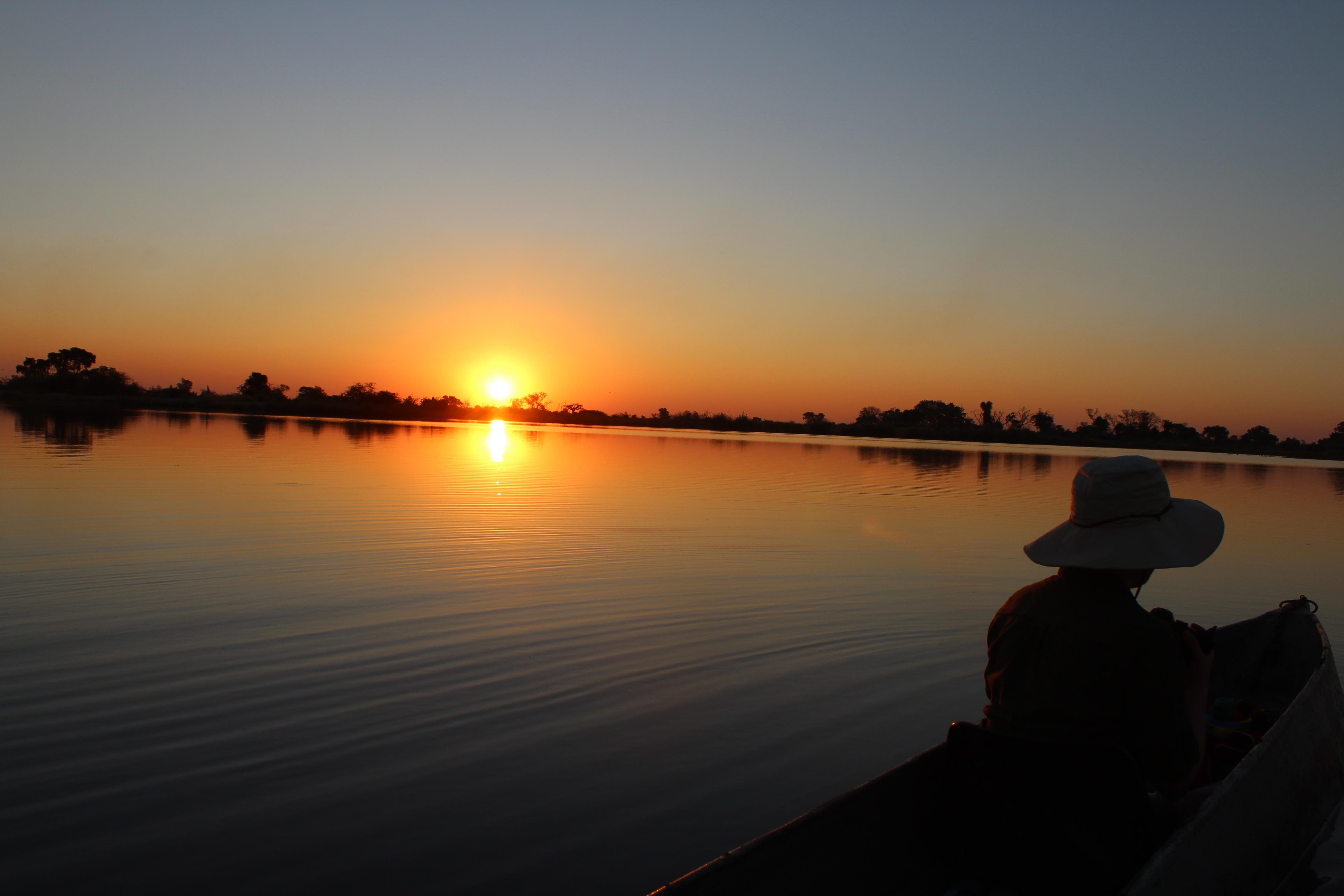
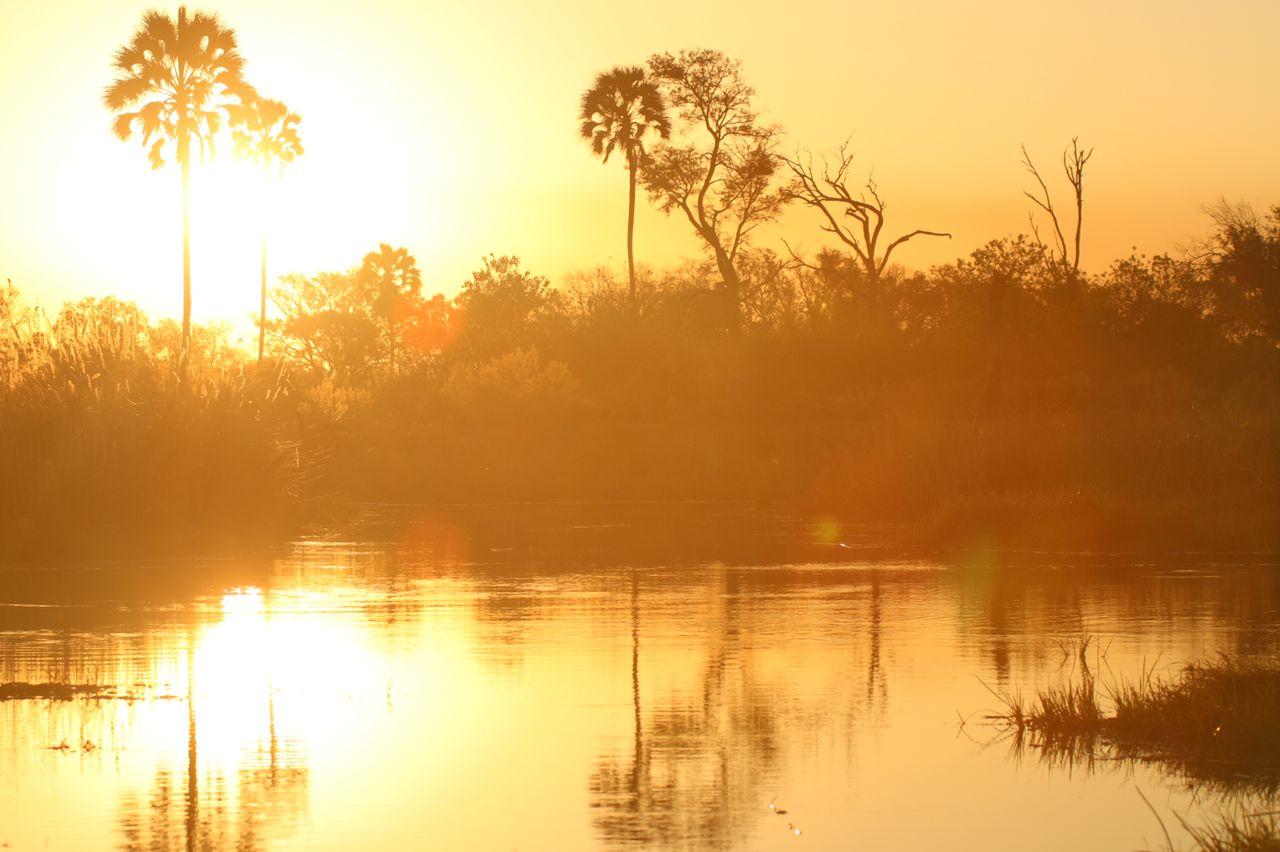
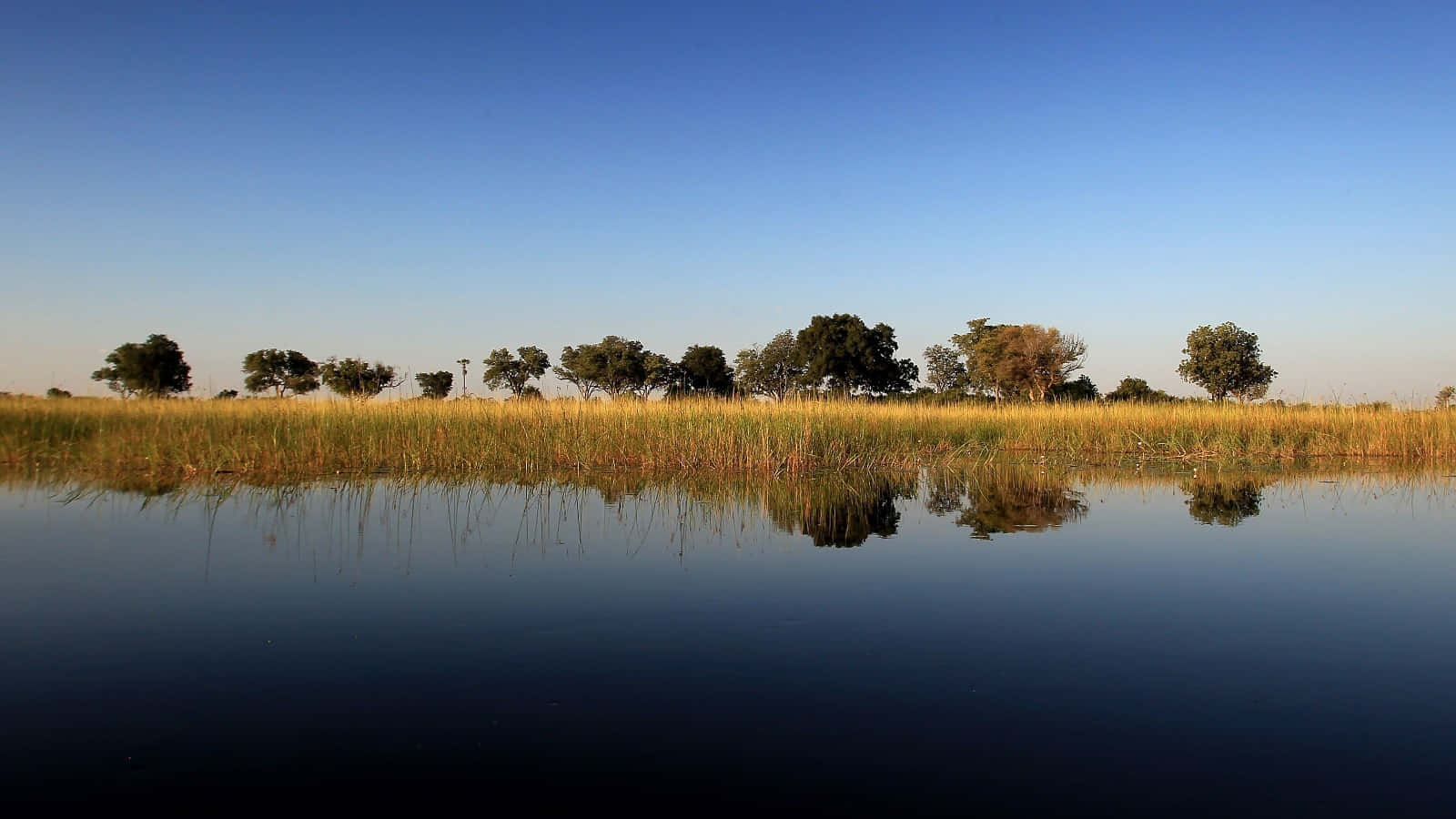
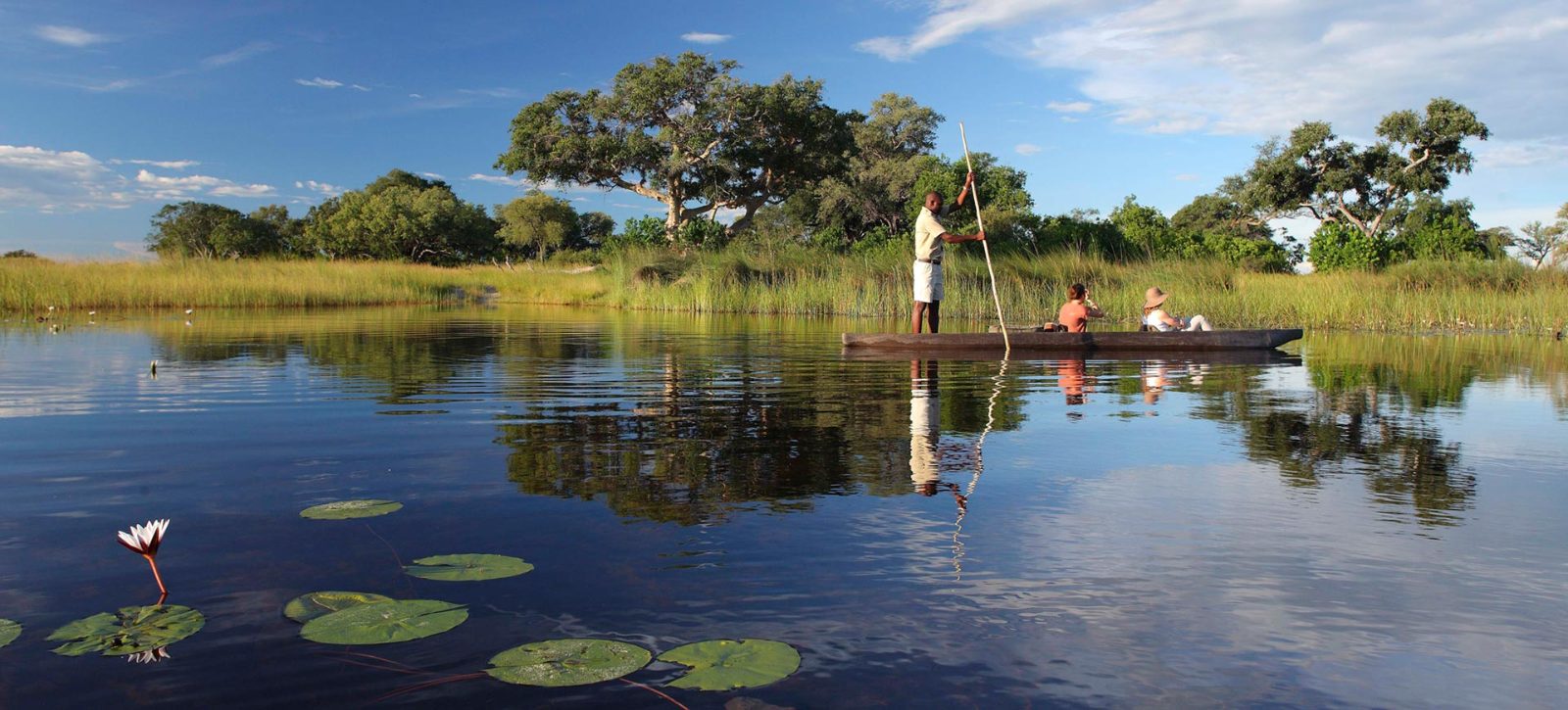
Stand at the front of the vessel to capture the mirror-like reflections of palm trees on the water during your okavango delta mokoro trip.
Position your camera low to the water line to photograph wildlife grazing at the river edge; this spot is popular for okavango delta mokoro trip tours.
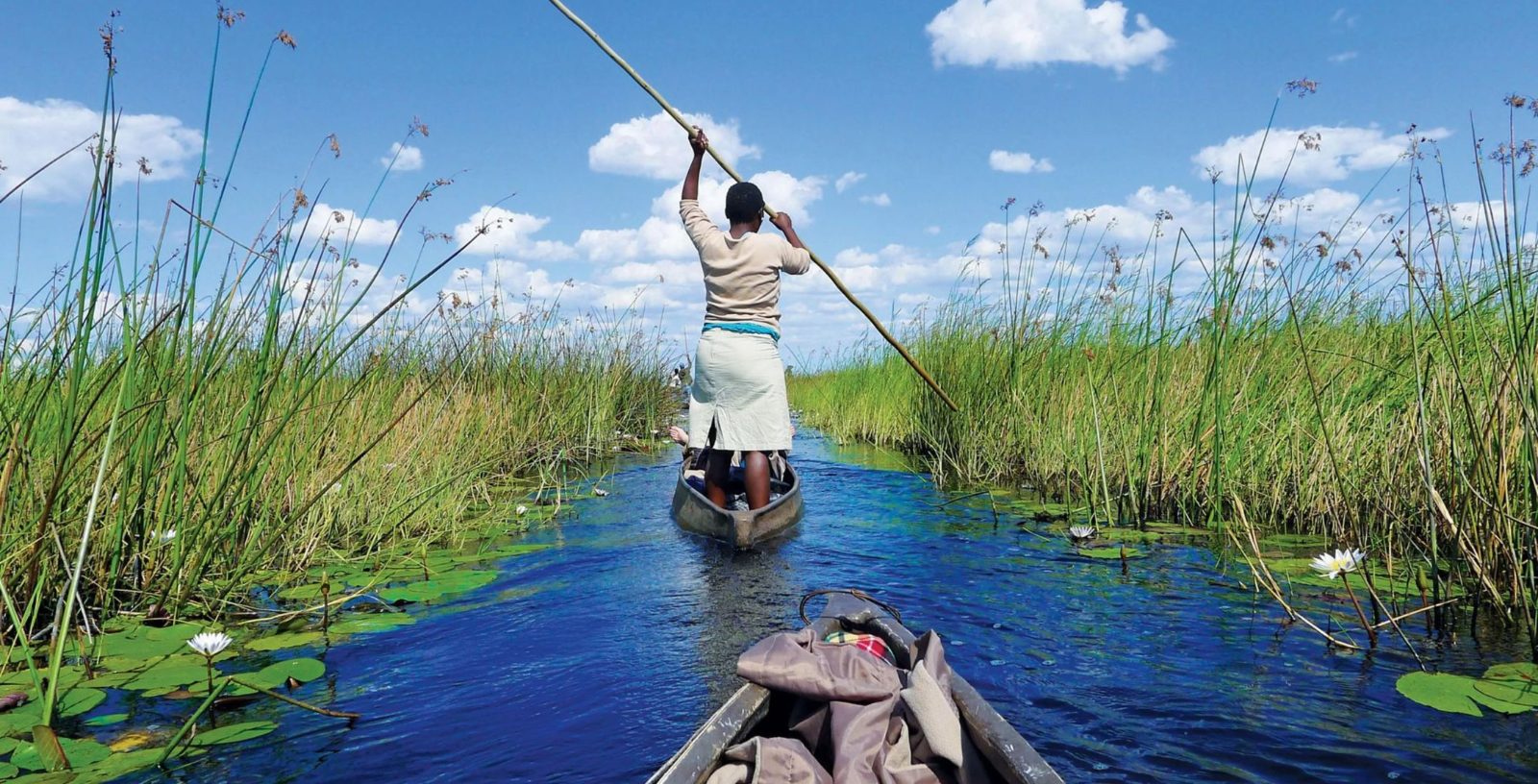
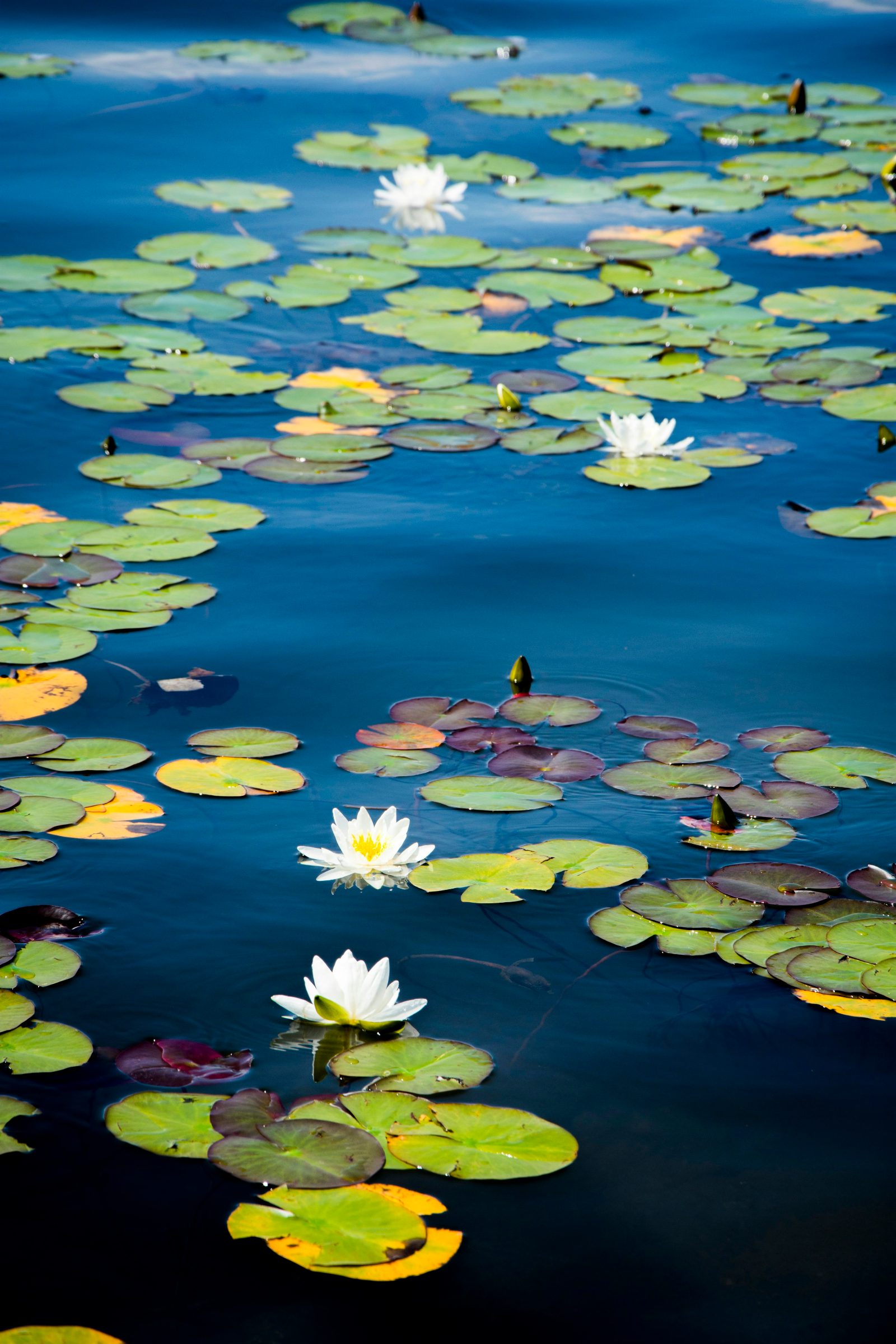
Focus on the lilies and papyrus reeds as you navigate these shallow waterways, a key feature of any okavango delta mokoro trip tickets purchase.
Capture wide-angle shots of the expansive horizon from this central point, often included in an okavango delta mokoro trip tour.
Embarking on an okavango delta mokoro trip provides a serene way for families to connect with nature's rhythm. While this traditional canoe excursion offers an intimate look at the waterways, parents should carefully consider the requirements for stability and stillness before booking their okavango delta mokoro trip tours.
Most lodges and operators set a minimum age between 6 and 12 years due to the stability and safety requirements of being on the water
You must wear a life jacket at all times while in the canoe, and all participants are expected to remain seated to maintain balance in the vessel
When planning an okavango delta mokoro trip ticket, ensure you confirm if your lodge provides family-friendly units or private vehicles to help manage the pacing of your day
While you may see hippos and other wildlife, your experienced poler is trained to navigate these channels safely by maintaining a respectful distance from animals
Pack sun hats with chin straps and high-quality binoculars for your kids to keep them engaged as you glide through the quiet channels on your okavango delta mokoro trip tour
Dining options within the remote wilderness are limited, so most visitors on an okavango delta mokoro trip rely on lodge-prepared meal plans or picnic provisions. While there are no independent restaurants on-site, travelers often secure their okavango delta mokoro trip tours through camps that provide full catering services.
Offers full-board dining featuring locally sourced ingredients and classic bush cuisine. Guests typically dine in communal settings overlooking the floodplains after their okavango delta mokoro trip tickets are validated.
Everything you need to know for your journey
The Delta is accessible daily from 06:00–18:30. Most visitors align their travel with the best arrival window of 06:00–08:00.
Yes, the daily park entry fee per foreign visitor for Moremi Game Reserve is 270 BWP. This is standard for any excursion entering the park.
Most operators require children to be at least 12 years old due to safety concerns and the need for sustained stillness. Check individual operator policies.
Wear neutral, lightweight clothing and a wide-brimmed hat. Avoid bright colors that might disturb wildlife during your okavango delta mokoro trip.
Pack water and light snacks, as there are no facilities once you are on the water. Ensure all waste is packed out to maintain the ecosystem.
Book well in advance for the dry season between May and August. Early planning ensures availability for your preferred okavango delta mokoro trip dates.
Accessibility varies significantly, as boarding a mokoro requires physical dexterity. Individuals with limited mobility should discuss their needs with the operator.
Travelers typically arrive in Maun before taking a light aircraft or 4x4 transfer to the launch point for their okavango delta mokoro trip tour.
Most operators allow cancellations with 30 days notice. Fees regarding the 270 BWP park entry charge may be governed by specific booking agreements.
Diverse ecosystem hosting high wildlife concentrations.
Known for being the largest landmass in the Delta.
Waterway commonly used for mokoro excursions.
The source of life for the entire Delta system.
Hotels and lodges located near the airport.
Remote tented camps inside the reserve.
Eco-friendly permanent structures near the water.
Join thousands of happy travelers who have discovered this incredible experience
Book Your Experience Now